
Bloqueo Emocional: How to Free Yourself and Heal from Within


An emotional block, bloqueo emocional, is that state where your feelings are switched off or out of reach, where you can’t cry, can’t connect, or go blank in front of something that should move you. Healing from it isn’t about forcing the feeling open or “trying harder.” A block is usually a protective response, and protective responses relax through safety, not pressure. Freeing yourself means understanding what the block is guarding, lowering the pressure rather than raising it, and giving your system the conditions to let down its guard. Here’s how that actually works.
What A Bloqueo Emocional Really Is
An emotional block is what it feels like when your access to a feeling gets cut, not because the feeling isn’t there, but because something is standing between you and it. The emotion is still inside you. You’ve just lost the key to that room for a while.
It helps to separate two things people constantly confuse:
- Suppression is when you feel something and push it down on purpose. You know it’s there and you’re sitting on it.
- A block is when you can’t reach the feeling at all. The access itself is interrupted, so effort doesn’t open it.
The block is the one that makes people feel defective, because trying harder doesn’t fix it. You can’t will your way to a feeling you can’t even locate. And that’s your first clue that willpower was never the right tool for this.
Why Your Mind Blocks In The First Place
Here’s the reframe that does the real healing work: a block is usually protection, not malfunction. Your mind and body keep careful track of what you can handle, and when something feels like too much, too soon, or too unsafe, cutting off access is one of the ways they keep you upright and functioning.
Blocks tend to show up in predictable situations:
- During overwhelming stress, when feeling the full weight of something would stop you from getting through the day.
- Around old pain that once felt unsurvivable, where going numb was, at the time, genuinely the safer option.
- In environments where emotion wasn’t safe to show, so you learned, often very young, to switch it off automatically.
How A Block Shows Up In The Body
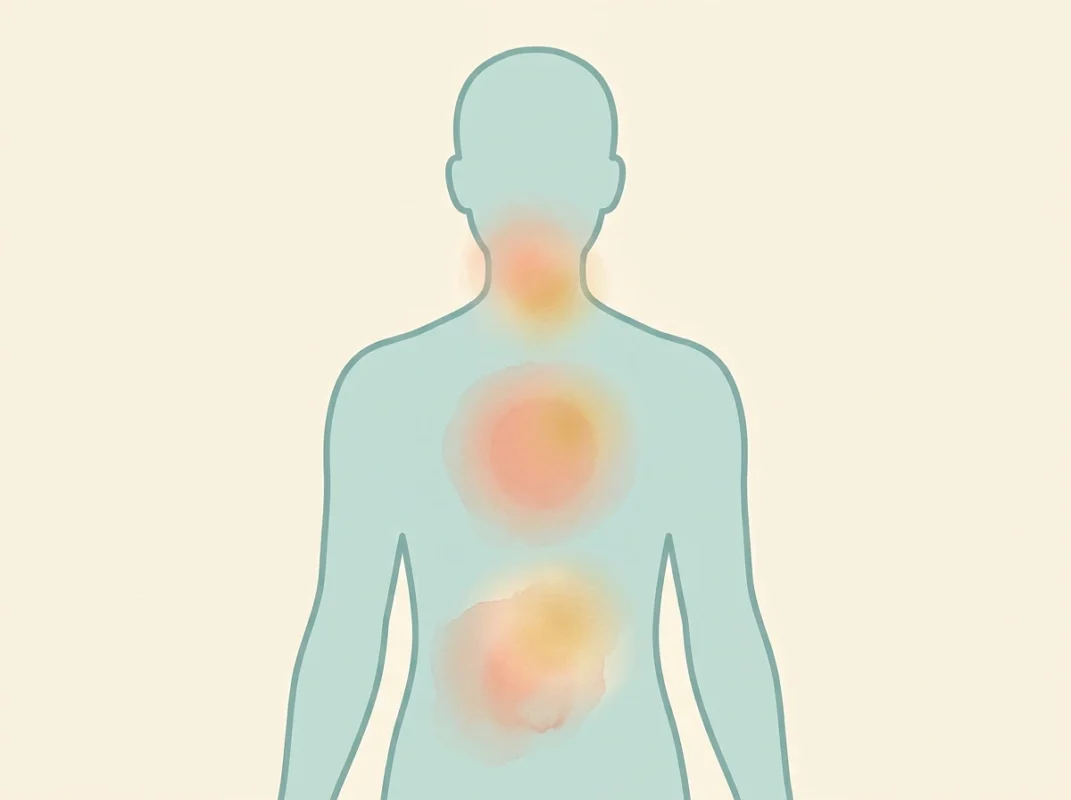
A bloqueo emocional isn’t only in your head. People often feel it physically before they recognize it emotionally, and learning your own signals is part of working with it instead of against it. Common signs:
- A numbness or flatness, like there’s glass between you and the moment.
- Feeling disconnected from something that should affect you, watching it from the outside.
- Tightness in the chest, throat, or stomach, the body holding what the mind can’t reach.
- Going blank when you try to face the hard thing, your attention sliding right off it.
Why “Just Try Harder” Makes It Worse
If a block is protection, then forcing it usually makes your system clamp down tighter. Hard pressure against a protective response reads, to your nervous system, as more threat, which is exactly what it's guarding against. So you strain, nothing opens, and you decide you've failed, piling shame on top of the block. That's the trap.
Healing runs in almost the opposite direction from force:
- Lower the pressure instead of raising it. Safety is what lets a protective block relax. The feeling tends to return when your system decides it’s okay, not when you demand it.
- Get curious instead of critical. “What is this protecting me from?” takes you further than “why can’t I just feel this?”
- Work through the body, not only the mind. Because blocks live partly in the body, slowing down, breathing, and noticing physical sensation often does more than thinking your way through.
- Let it move on its own timeline. Access usually comes back gradually once the underlying sense of threat eases, not on command.
Small Steps That Help You Free Yourself

You don’t heal a bloqueo emocional by storming it. You heal it by making the conditions safe enough that it no longer needs to hold. A few practical, low-pressure ways to start:
- Name what you notice without judging it. “I feel numb right now” is more useful than “I should be feeling something.” Naming lowers the charge.
- Slow the body down first. A few minutes of slow breathing or just feeling your feet on the floor can settle the system enough for feeling to return on its own.
- Approach the hard thing in small doses. You don’t have to feel all of it at once. Touching the edge of it briefly, then stepping back, teaches your system it’s survivable.
- Write instead of perform. Putting words on paper, with no audience and no pressure to “do it right,” sometimes opens a door that talking can’t.
- Stop grading yourself. Every “why am I like this” makes the guard nervous. Treating yourself the way you’d treat a scared friend does the opposite.
When To Bring This To A Professional
Occasional blocks are a normal part of being human, everyone’s system protects them sometimes. But some signs mean a block has stopped being an occasional response and started shaping your life, and those are worth taking to someone trained to help:
- It’s persistent, you feel shut down or numb much of the time, not just in hard moments.
- It’s interfering with your relationships, your work, or your ability to function day to day.
- It’s tied to past trauma you suspect is driving the shutdown.
- It comes with other things that worry you, like ongoing low mood, anxiety, or a disconnection from yourself that won’t lift.
A therapist, especially one who works with trauma and the nervous system, can help you understand what your particular block is protecting and how to make it safe enough to soften. Reaching for that help isn't a sign you failed to handle it alone. It's the same logic as seeing a doctor for a pain that won't resolve, you're getting the right tool for something effort alone isn't built to fix.