
Healthy Snacks for Weight Loss You’ll Love

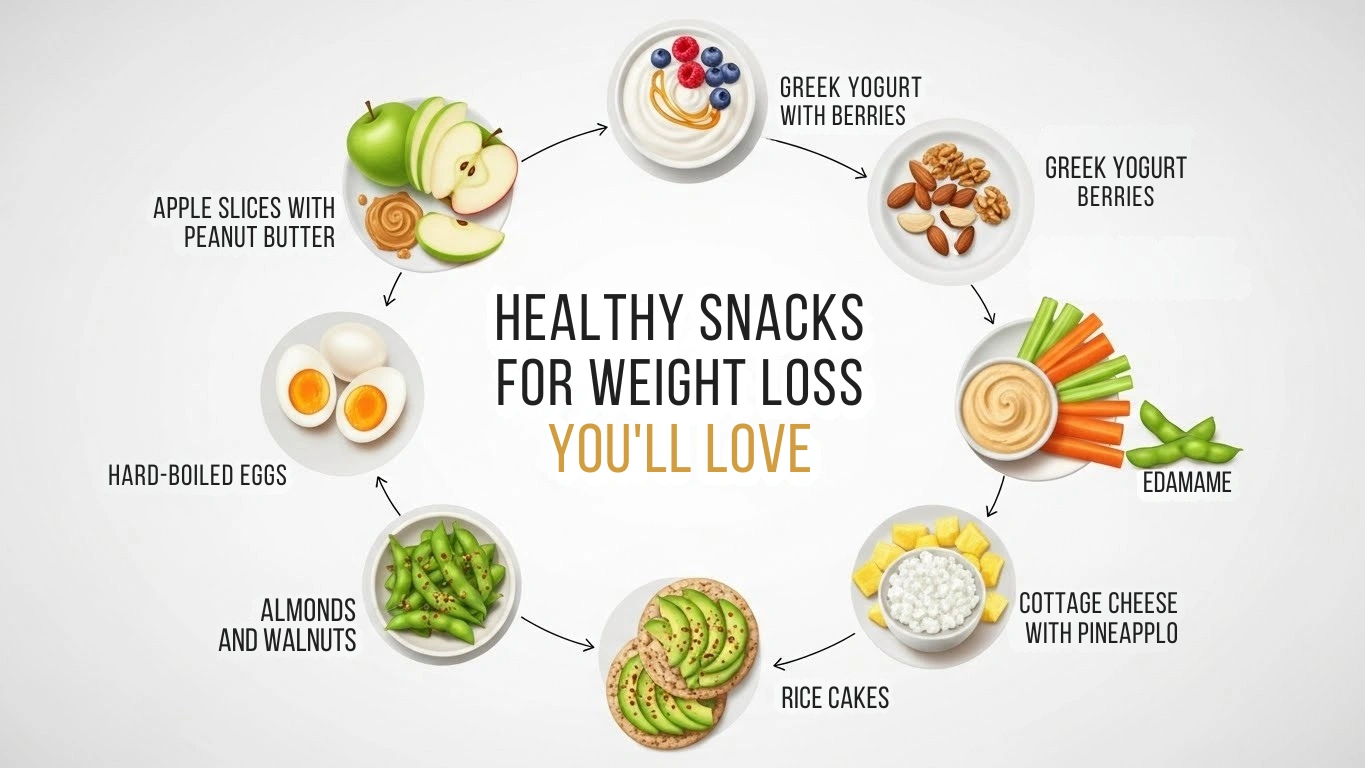
Loss of weight does not require strictness on snacks. Strategic snacking in fact can even be effective in promoting the same weight loss since it helps to keep the hunger at bay and avoids the ravenous overeating that is the bane of most diets. The trick is to find snacks that will not ruin your success.
Why Snacking Can Actually Help You Lose Weight
The ancient recommendation about not eating between meals has become more or less out of use. By being too much in between meals, the blood sugar level decreases and hunger hormones begin to overpower you, which increases your chances of overeating at the next meal by a significant margin. The snack at the right time keeps your metabolism going and it allows you to have a check on your energy levels.
The trick lies in the selection of snacks that would contain protein, fiber and healthy fats. This combination retards digestion and gives you longer satisfaction. As an example, nuts contain all three macro-nutrients, and this is why it has been discovered that adopting nut intake has been linked to improved weight control in spite of the calorie content. In 2018, the meta-analysis that included 62 randomized controlled trials concluded that almonds were the only nut that could lead to reducing the mean body mass by an average of 0.56 kg compared to control diets (Li et al., 2018, Journal of Nutrition).
Greek Yogurt with Berries
It is no accident that Greek yogurt has become a weight loss staple. Having about twice the protein content of ordinary yogurt, it gives the feeling of true satiety as opposed to the short-lived contentment of sugary treats. The average portion contains approximately 15 to 20 grams of protein at moderate calories.
The article in the journal Appetite discovered that high-protein (24 gram) yogurt, eaten in the afternoon, enhanced appetite and satiety and decreased the amount of food consumed later in the day in comparison to low-protein yogurt (Douglas et al., 2013, Appetite). The protein snack also postponed the next meal implying that it can be used to avoid excess intake of food during the evening.
The benefits are increased with the addition of berries. Berries are known to be the most fiber-rich fruits that contain natural sweetness that fills cravings even without the use of sugar. Regular and moderate consumption of blueberries and anthocyanins have been linked to epidemiological studies with maintaining weight and decreasing the risks of cardiovascular diseases and type 2 diabetes (Kalt et al., 2020, Advances in Nutrition). Swap flavored yogurt which contains added sugar with plain which is much healthier, and make it sweet using berries.
Nuts and Seeds
Although nuts contain certain calories, they always present themselves in studies as weight-friendly foods. Their fiber, protein and healthy fats make them remarkably staying power. One tenth, so to speak, will usually give you satisfaction sufficient to take you comfortably to the next meal.
The PREDIMED-Plus study found that increased nut consumption was associated with reductions in body weight, BMI, and waist circumference in participants following a Mediterranean diet (Julibert et al., 2020, Journal of Nutrition). A 2023 randomized trial from the University of South Australia found that both almond-supplemented and nut-free diets resulted in approximately 9.3% body weight reduction, with the almond group showing additional improvements in cardiovascular risk markers (Carter et al., 2023, Obesity).
Research from the European Journal of Nutrition found that people who ate almonds experienced changes in appetite-regulating hormones, including higher glucagon (39% higher) and pancreatic polypeptide responses (44% higher), which contributed to reduced food intake by approximately 300 kilojoules at subsequent meals (Carter et al., 2022, European Journal of Nutrition).
With nuts, the trick is the awareness of portions. A one-ounce portion is approximately 23 almonds or 14 halves of walnuts. Portions are important because you can first measure them until you have the right quantities in your blood.
Hard-Boiled Eggs
Eggs are also more effective in delivering protein as compared to most snacks. One big egg contains about 6 grams of good protein and other necessary nutrients and it is just about 70 calories. The mixture of the protein and fat is very filling when compared to the number of calories contained in the eggs.
In a research study in the Journal of the American College of Nutrition, the participants became more satisfied after an egg based breakfast and the amount of energy they consumed at lunch was much lower than in a bagel based based breakfast of the same calorie level (Vander Wal et al., 2005, Journal of the American College of Nutrition). The amount of energy taken after the egg breakfast was low throughout the day and even over the next 36 hours.
One of the convenience grab and go items is a bunch of hard boiled eggs that is prepared at the beginning of each week. They can be taken away a long distance, they do not need refrigeration within a few hours and they require at most a spray of salt. In order to be diverse, add some hot sauce, everything bagel seasoning or a small portion of hummus on them.
Vegetables with Hummus
Probably the most basic known course of volume eating, the procedure of overloading with low-calorie and high-fiber food, is raw vegetables. Cucumber, bell peppers, celery and cherry tomatoes are crunchy and satisfying and contain a low amount of calories.
The variation of vegetables with hummus gives a long life due to the availability of protein and good fats. According to the research in Nutrients, four tablespoons of conventional hummus out of chickpea include about 25-grams of dietary fiber and 14-grams of plant protein per week (Wallace et al., 2016, Nutrients). In the analysis of the same researchers, it was found that the same consumers of chickpea and hummus in the NHANES of 2003-2010 were half way less likely to be obese and nearly half of a non-consistor to be so high on glucose as compared to the non-consumers.
Chickpeas are healthy sources of protein, fiber, resistant starch and non-saturated fatty acids and the vitamins and minerals including folate, potassium and phosphorus. The glycemic index of the original hummus prepared with tahini and olive oil is halved compared to that of chickpeas, which makes the response to blood sugar more balanced (Wallace et al., 2016, Nutrients).
Apple Slices with Nut Butter
The combination of ingredients apple and peanut butter will be here to stay because it actually works. The added fiber will be met through apples and the nut butter will provide the protein and healthy fats. They are mixed to prepare a snack that is satisfying in many aspects.
In this case portion control is significant. Nut butter, one large tablespoonful of it, not the large scoops many of us pick instinctively, is just the right amount of nut butter to go with a medium apple. Natural nut butters that have neither added sugar nor added oils have the purest nutritional profile.
Slicing the apple rather than consuming the entire one would make distributing nut butter easier and would make the consumption slow. The two factors promote mindful eating, which is closely related to the proper management of weight.
Cottage Cheese
Cottage cheese has been outclassed by more elaborate variations but it has been given a much deserved revival. It contains as much protein as compared to or more than the Greek yogurt, making it a comparison with one of the most effective sources of protein. According to the UC Davis Health, 100 gram of full-fat cottage cheese contains 11.5 grams of protein, and about 8.7grams of the same weight of full-fat Greek yogurt contains.
Cottage cheese is categorized by the National Library of Medicine as a diet-boosting food as it is a healthy food which does not include any calories of sugar and saturated fat. A journal article published in the journal Appetite found out that cottage cheese was effective in reducing hunger levels as compared to eggs that nutritionists tend to recommend to be consumed in lieu of carb-rich foods (Marsset-Baglieri et al., 2015, Appetite).
The cottage cheese is primarily composed of a protein referred to as casein which is not digested quickly and hence it postpones the release of amino acids and thus it does not breakdown the muscles as well as it helps in sustaining satiety levels. Research has shown that high protein diets stimulate the release of satiating hormones, such as glucagon-like peptide-1 (GLP-1) and peptide yogurt protein (PYY), which subsequently results in reduced appetite and total caloric consumption.
Edamame
The snack of the young soybeans is worth its popularity. USDA asserts that a cup of cooked edamame beans has approximately 18.4 grams of protein and 8 grams of fiber that make an incredible satiety of approximately 188 calories. The shelling of the pods has to be done during the act of eating, thereby reducing the speed at which one eats and encouraging mindful eating.
Edamame is different among other plant proteins because it contains all the nine essential amino acids hence being a complete source of proteins. The meta-analysis conducted in 2019 found that the daily intake of 25 gram of soy protein lowered the LDL cholesterol level of people by an average of 3 to 4 percent (Journal of the American Heart Association).
Edamame is good and is served with a lot of seasonings. Sea salt is classy, but they may be served with lemon squeeze, chili pepper sprinkle or sesame seed sprinkle. Edamame can be found frozen in most shops and it takes only a few minutes to cook.
Air-Popped Popcorn
Popcorn tends to shock the people by being included in the lists of foods that are said to aid in weight loss. Air-popped and lightly seasoned, it offers an amazing volume when compared to calories. The USDA Agricultural Research Service added that one serves of air-popped popcorn have 3 cups of popcorn which contains approximately 100 calories and supplies approximately 15 percent of daily fiber need. Another source that is considered to be among the five most cost effective sources of whole grains is popcorn.
According to the American Heart Association, popcorn is a whole grain, and whole grains high in fiber have been associated with reduced risk of heart disease, and diabetes and certain types of cancer and other ailments. The federal dietary guidelines suggest that half of all grains one eats must be whole grains, and popcorn has more fiber per serving than whole-wheat bread.
A report in Nutrition Journal established that 15 calories of popcorn was satisfying like 150 calories of potato chips proving the incredible satiety this snack offers against the calorie levels. The most significant difference is in preparation. Popcorn in movie theatres as well as most types of microwave items are soaked in butter and oil thus turning what could have been a healthy snack into a calorie bomb.
Avocado on Whole Grain Crackers
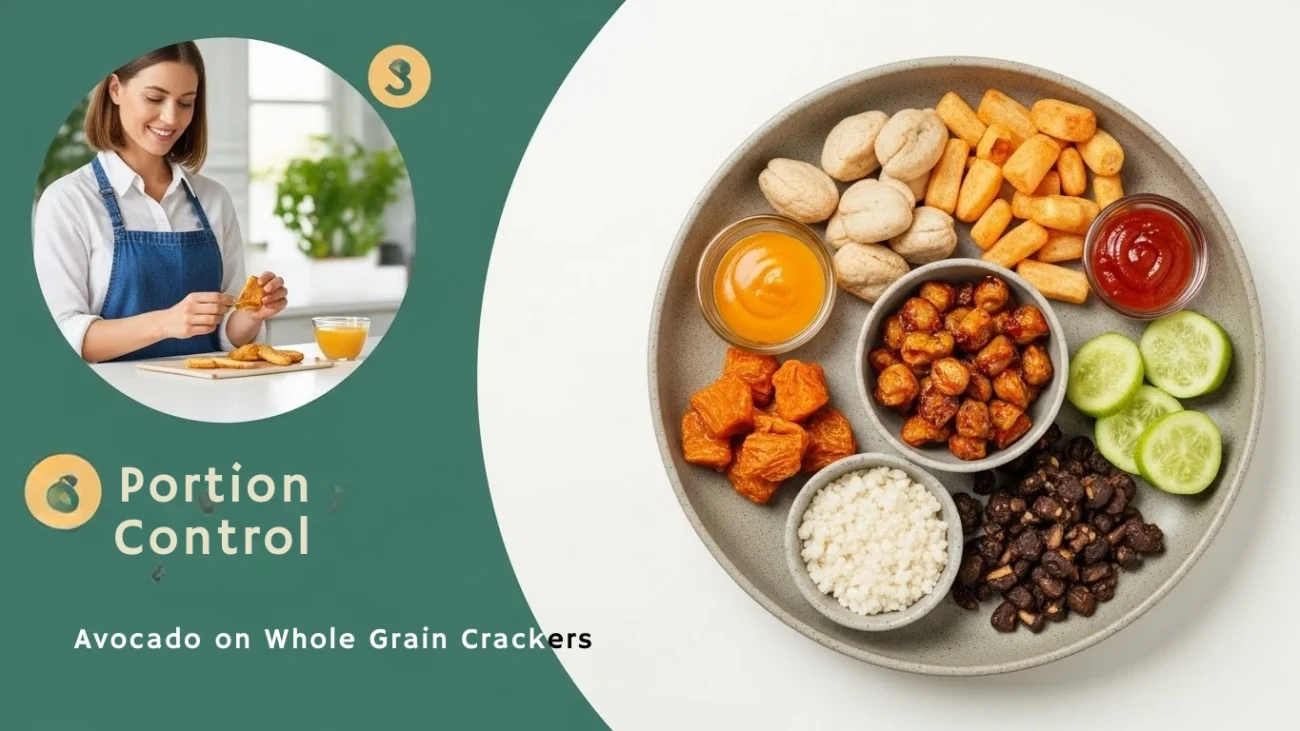
Avocado also offers the type of healthy fats which make one feel full and helps absorb nutrients. One half of an avocado smashed onto a few whole grain crackers is a snack that makes one feel indulged and at the same time, healthy.
The whole grain crackers and the avocado contain fiber that makes one feel full and the fat helps in slowing down digestion. This mixture assists in keeping the sugar levels stable without excessively high or low surges which cause further hunger.
Select crackers that have easy and familiar ingredients with not many added sugars. This is a low-end snack; a squeeze of lemon, a pinch of salt and even some red pepper flakes make it a lot higher.
Dark Chocolate
Yes, chocolate can have a place in a weight loss plan. Dark chocolate with 70% cacao or higher contains less sugar than milk chocolate while providing antioxidants. Research published in Frontiers in Immunology confirms that cocoa and dark chocolate possess polyphenols as major constituents, which exert antioxidant and anti-inflammatory activities (Magrone et al., 2017, Frontiers in Immunology).
A study examining commercially available dark chocolate found that total polyphenol content ranged between 10.55 and 39.82 mg/g, with antioxidant activity increasing proportionally with cocoa percentage (Antioxidants and Multi-Elemental Analysis of Dark Chocolate, 2022, Antioxidants). The research showed a strong correlation between declared cocoa content and antioxidant activity, making the cocoa percentage a reliable indicator of health benefits.
Interestingly in a study carried out on 12 females, the smell of dark chocolate alone resulted in the satiation response, which could be negatively correlated with the ghrelin levels, which is the hormone of appetite and fat storage (Magrone et al., 2017, Frontiers in Immunology). This implies that chocolate can have an effect of decreasing the appetite and preventing weight gain in various ways.
The trick is in the awareness of portions and conscious eating. A square or two of good dark chocolate eaten slowly can be as good a satisfaction as a far larger portion of the less strong-flavoured sweets.
Building Sustainable Snacking Habits
The most appropriate snack options would not have any value without the deliberate application. Having healthy choices as conveniently as possible and restricting access to foods that are not as helpful makes the environment act in your favor, not against you.
It is critical to prepare. Preparing vegetables on a weekend, washing them and cutting them into little containers, storing hard-boiled eggs do away with the hindrances that set in when we are hungry. Healthy choices are the default choice when no additional effort is needed as compared to unhealthy choices.
It is also important to listen to real hunger indicators. Not all the intentions to eat can be considered as hunger. We eat sometimes out of boredom, stress or habits. Stopping to check whether you are truly hungry can be used to differentiate between physical necessity and emotional stimulus.
Final Thoughts
Weight loss snacking will be successful when it is coupled with both real nutrition and real satisfaction. The snacks on this list have several similarities: protein, fiber, healthy fats, and whole-food. They are delicious, filling, and they help not hinder your work.
When doing experiments it will aid in finding the options that best fit your tastes and your way of living. A person who does not like cottage cheese will have nothing by coercing him or her. Yet, having so many really tasty options, all people will be able to find snacks that make losing weight not seem as a deprivation, but as a healthy lifestyle choice.
Referenes:
- Carter, S.A., et al. (2022). Acute feeding with almonds compared to a carbohydrate-based snack improves appetite-regulating hormones with no effect on self-reported appetite sensations: a randomised controlled trial. European Journal of Nutrition.
- Carter, S.A., et al. (2023). Almonds vs. carbohydrate snacks in an energy‐restricted diet: Weight and cardiometabolic outcomes from a randomized trial. Obesity.
- Douglas, S.M., et al. (2013). Low, moderate, or high protein yogurt snacks on appetite control and subsequent eating in healthy women. Appetite, 60, 117-122.
- Julibert, A., et al. (2020). Metabolic Syndrome Features and Excess Weight Were Inversely Associated with Nut Consumption after 1-Year Follow-Up in the PREDIMED-Plus Study. Journal of Nutrition.
- Kalt, W., et al. (2020). Recent Research on the Health Benefits of Blueberries and Their Anthocyanins. Advances in Nutrition, 11(2), 224-236.
- Magrone, T., et al. (2017). Cocoa and Dark Chocolate Polyphenols: From Biology to Clinical Applications. Frontiers in Immunology, 8, 677.
- Marsset-Baglieri, A., et al. (2015). The satiating effects of eggs or cottage cheese are similar in healthy subjects despite differences in postprandial kinetics. Appetite.
- USDA Agricultural Research Service. (2021). Popcorn: A Healthy, Whole Grain Snack.
- Vander Wal, J.S., et al. (2005). Short-term effect of eggs on satiety in overweight and obese subjects. Journal of the American College of Nutrition, 24(6), 510-5.
- Wallace, T.C., et al. (2016). The Nutritional Value and Health Benefits of Chickpeas and Hummus. Nutrients, 8(12), 766.