
The Best Healthy Bedtime Snacks to Help You Sleep Better

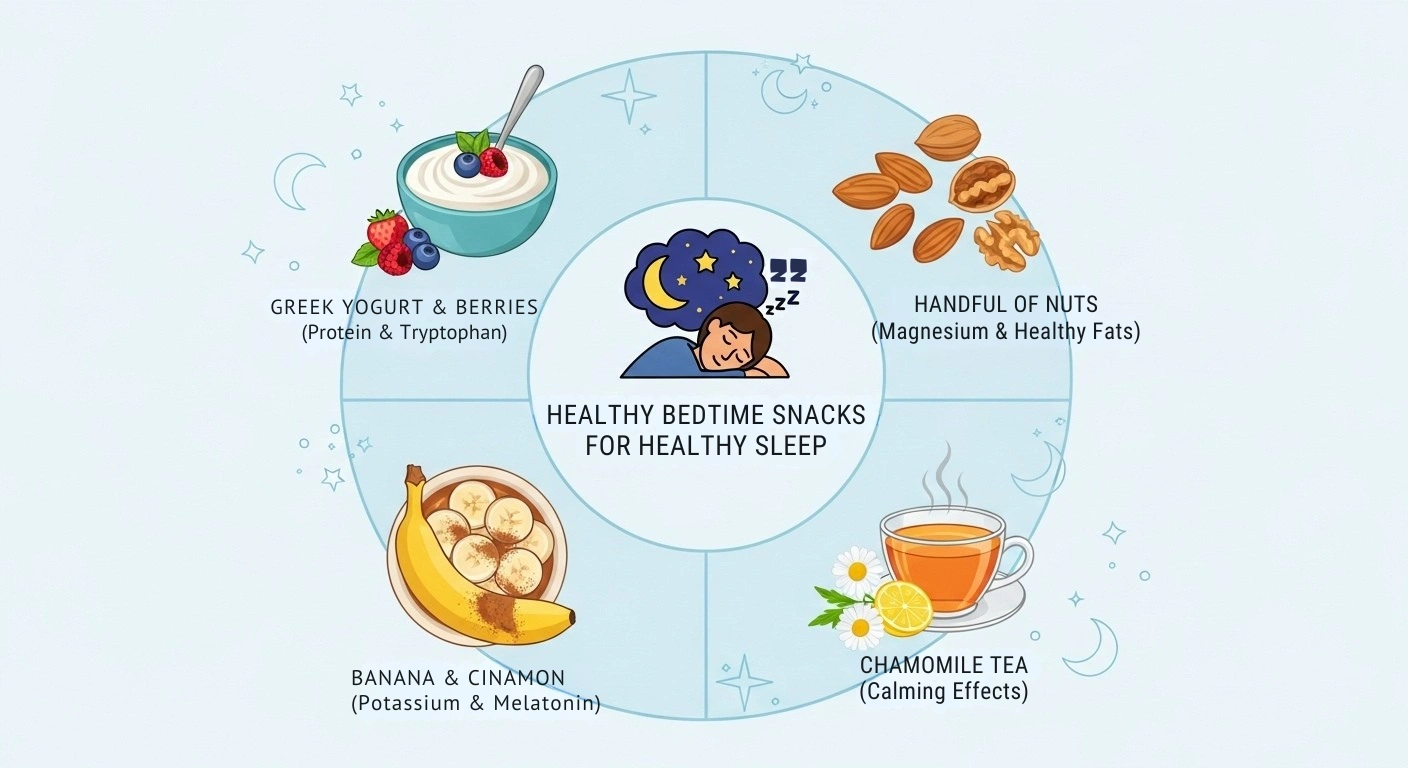
You’ve had the lavender pillow spray. You have banished your phone from the bedroom. You’ve even shelled out for some blackout curtains so effective they could ward off a nuclear blast. And yet, quality sleep continues to evade us. But before you throw in the towel and resign yourself to another night of looking at the ceiling, consider this: the solution to your sleep woes could be hiding in your kitchen.
What you snack on before bed makes a big difference in how quickly and effectively you fall asleep. The connection between diet and sleep is a multifaceted interplay of complex biochemical pathways that, through the production of sleep related hormones such as melatonin and neurotransmitters such as serotonin, can induce or deprive us of rest. Some foods contain elements to promote these processes naturally which makes them so suitable for a bed-time snack.
Understanding the Sleep-Food Connection
Before we get into the specific foods, let’s explore why some snacks can aid you in sleeping better. Your body makes melatonin commonly known as the “sleep hormone” to signal that it’s time to wind down. Melatonin is made from serotonin, which is in turn derived from an amino acid known as tryptophan.
Now enter food: Tryptophan is an essential, which is a fancy way to say your body can’t produce it on its own. You have to get it from food. The body turns tryptophan into serotonin and then into melatonin, providing a natural pathway to sleepiness (Advances in Nutrition, 2023).
Carbohydrates have a supportive role in this process. When you consume carbohydrates, it triggers a release of insulin, which clears the competing amino acids out of your bloodstream and allows more tryptophan to reach your brain. This is why mixing tryptophan-rich foods with complex carbohydrates are often the most effective sleep promoters (Nutrients, 2020).
How Sleep-Promoting Nutrients Work:
| Nutrient | Role in Sleep | Best Food Sources |
|---|---|---|
| Tryptophan | Converts to serotonin, then melatonin | Turkey, milk, nuts, seeds, eggs |
| Melatonin | Directly regulates sleep-wake cycle | Tart cherries, walnuts, milk |
| Magnesium | Relaxes muscles, supports GABA function | Almonds, spinach, bananas, pumpkin seeds |
| Potassium | Prevents muscle cramps, promotes relaxation | Bananas, potatoes, yogurt |
| Vitamin B6 | Essential for converting tryptophan to serotonin | Bananas, poultry, fish, chickpeas |
| Complex Carbs | Help tryptophan cross blood-brain barrier | Oatmeal, whole grains, sweet potatoes |
Tart Cherries: Nature’s Sleep Aid
If there’s a food that deserves that title, it’s tart cherries. Sour cherries, like their sweet cousins the Montmorency variety, are high in melatonin along with tryptophan and anti-inflammatory ones.
What the Research Shows:
| Study | Participants | Duration | Key Findings |
|---|---|---|---|
| Howatson et al., European Journal of Nutrition, 2012 | 20 healthy adults | 7 days | +34 minutes total sleep time, +5-6% sleep efficiency, +17% urinary melatonin |
| Losso et al., American Journal of Therapeutics, 2018 | 8 older adults with insomnia | 2 weeks | Significant improvements in all sleep variables, reduced time awake after falling asleep |
| Pigeon et al., Journal of Medicinal Food, 2010 | 15 older adults | 2 weeks | Reduced insomnia severity, decreased minutes awake after sleep onset |
How to Enjoy Tart Cherries:
- Drink 240ml (8 oz) of tart cherry juice about 1 hour before bed
- Snack on a handful of dried tart cherries
- Two tablespoons of concentrate equals approximately 90-100 fresh cherries
Kiwifruit The Fuzzy Sleep Promoter
This humble green fruit has emerged as a surprising sleep champion. Kiwis contain serotonin, antioxidants, folate, and vitamin C all nutrients that may contribute to better sleep.
Research Results (Lin et al., Asia Pacific Journal of Clinical Nutrition, 2011):
Study Design: 24 adults with sleep disturbances ate 2 kiwifruits 1 hour before bedtime for 4 weeks
| Sleep Measure | Improvement |
|---|---|
| Sleep onset latency (time to fall asleep) | ↓ 35.4% |
| Waking time after sleep onset | ↓ 28.9% |
| Total sleep time | ↑ 13.4% |
| Sleep efficiency | ↑ 5.41% |
| Overall sleep quality score | ↓ 42.4% (lower = better) |
Additional Research with Athletes (Nutrients, 2023):
A study with elite athletes found that 4 weeks of kiwifruit consumption led to:
- Clinically significant improvements in Pittsburgh Sleep Quality Index scores
- Better subjective sleep quality
- Improved daytime function
How to Enjoy Kiwifruit:
- Slice 2 kiwifruits and eat them 1 hour before bed
- Add to a small bowl of yogurt
- Blend into an evening smoothie
Walnuts: Crunch Your Way to Better Sleep
Walnuts stand out among nuts for their unique sleep-promoting combination:
- Melatonin (118 ng per serving)
- Tryptophan (84.6 mg per serving)
- Magnesium (45 mg per serving)
- Omega-3 fatty acids
- B vitamins (B5 and B6)
Latest Research (Zerón-Rugerio et al., Food & Function, 2025):
Study Design: Randomized controlled trial with 76 healthy young adults eating 40g walnuts daily with dinner for 8 weeks
| Outcome | Result |
|---|---|
| Overall sleep quality | Significantly improved (p = 0.033) |
| Sleep latency (time to fall asleep) | ↓ 1.3 minutes (p = 0.003) |
| Sleep efficiency | Significantly higher (p = 0.022) |
| Daytime sleepiness | Significantly reduced (p = 0.004) |
| Evening urinary melatonin (6-SMT) | Significantly elevated (p = 0.024) |
Important Note: Raw walnuts contain higher melatonin levels than roasted varieties (Journal of Agricultural and Food Chemistry, 2021).
How to Enjoy Walnuts:
- Eat 40g (about 1.5 oz or a small handful) with dinner
- Add to evening oatmeal or yogurt
- Combine with dried tart cherries for a powerful sleep snack
Bananas: The Convenient Sleep Snack
Bananas offer a convenient package of sleep-promoting nutrients without requiring any preparation.
Nutrient Profile of One Medium Banana:
| Nutrient | Amount | % Daily Value | Sleep Benefit |
|---|---|---|---|
| Magnesium | 32 mg | 8% | Muscle relaxation, circadian rhythm support |
| Potassium | 420 mg | 12% | Prevents muscle cramps, reduces blood pressure |
| Vitamin B6 | 0.4 mg | 25% | Converts tryptophan to serotonin/melatonin |
| Tryptophan | 11 mg | — | Precursor to sleep hormones |
| Carbohydrates | 27 g | — | Helps tryptophan reach the brain |
Supporting Research:
A randomized controlled trial (Frontiers in Endocrinology, 2024) found that magnesium and potassium supplementation:
- Significantly affected serum cortisol and melatonin levels
- Decreased insomnia severity among participants
- Improved sleep duration
How to Enjoy Bananas:
- Eat 1 medium banana about 30-60 minutes before bed
- Pair with 1 tablespoon almond butter for added magnesium and blood sugar stability
- Slice onto oatmeal for a comprehensive sleep snack
Warm Milk: Grandma Was Onto Something
The tradition of drinking warm milk before bed has scientific support particularly when considering “night milk” (milk collected from cows during nighttime hours).
Why Milk Promotes Sleep:
| Component | How It Helps |
|---|---|
| Tryptophan | Converts to serotonin and melatonin |
| Melatonin | Directly promotes sleep (higher in night milk) |
| Calcium | Helps brain use tryptophan to manufacture melatonin |
| Casein peptides | Research shows sleep-enhancing effects |
| Warmth + ritual | Psychological relaxation signal |
Key Research Findings:
Night Milk Study (Journal of Medicinal Food, 2015):
- Night milk contains exceptionally high amounts of tryptophan and melatonin
- Produced sedative and anxiolytic effects comparable to diazepam in animal studies
- Elderly patients showed improved sleep quality and better daytime activity
Clinical Studies:
- Patients who drank warm milk with honey for 3 days noticed sleep improvements
- Adults over 60 drinking fermented milk for 3 weeks experienced reduced nighttime wakings
How to Enjoy Warm Milk:
- Heat 1 cup of milk until warm (not hot)
- Drink 30-60 minutes before bed
- Optional: Add 1 teaspoon honey (carbs help tryptophan absorption)
- Try fermented milk products (kefir, yogurt) for gut-brain benefits
Cottage Cheese: The Slow-Release Protein Option
Cottage cheese contains casein protein, which digests slowly and provides a sustained release of amino acids throughout the night making it ideal for overnight muscle recovery and stable blood sugar.
Research from Florida State University (British Journal of Nutrition, 2018):
Study Design: Active young women consumed 30g protein from cottage cheese 30-60 minutes before bed
Key Findings:
- Positive effects on metabolism and muscle recovery
- No gain in body fat
- Effects comparable to casein protein supplements
- Supports overnight muscle protein synthesis
Cottage Cheese Nutrition (per ½ cup, low-fat):
| Nutrient | Amount |
|---|---|
| Protein | 14g |
| Casein | ~80% of protein content |
| Calcium | 83 mg (6% DV) |
| Calories | 81 |
| Tryptophan | Present |
How to Enjoy Cottage Cheese:
- Eat ½ cup about 30-60 minutes before bed
- Top with fresh berries for antioxidants and fiber
- Add a drizzle of honey for sweetness
- Mix in ground flaxseed for omega-3s
Oatmeal: Not Just for Breakfast
A small bowl of oatmeal provides complex carbohydrates that facilitate tryptophan’s journey to the brain, plus naturally occurring melatonin and magnesium.
The Science Behind Oatmeal and Sleep:
Research from MIT established that carbohydrate consumption triggers insulin release, which:
- Clears competing amino acids (LNAAs) from bloodstream
- Allows more tryptophan to reach the brain
- Increases serotonin synthesis
- Leads to melatonin production at night
Oatmeal’s Sleep-Promoting Profile:
| Component | Amount (per 1 cup cooked) | Benefit |
|---|---|---|
| Tryptophan | 94-147 mg | Serotonin/melatonin precursor |
| Complex carbs | 27g | Enhances tryptophan absorption |
| Magnesium | 63 mg (15% DV) | Muscle relaxation |
| Melatonin | Naturally present | Direct sleep support |
| Fiber | 4g | Stable blood sugar overnight |
How to Enjoy Oatmeal:
- Prepare ¾ cup cooked oatmeal in the evening
- Use warm milk instead of water for added tryptophan
- Top with sliced banana and walnuts for a comprehensive sleep meal
- Keep portion small to avoid digestive discomfort
Complete Comparison Sleep Promoting Snacks at a Glance
| Food | Key Sleep Nutrients | Research-Backed Benefits | Best Timing | Serving Size |
|---|---|---|---|---|
| Tart Cherries | Melatonin, tryptophan, anthocyanins | +34 min sleep, +5-6% efficiency | 1 hour before bed | 240ml juice or handful dried |
| Kiwifruit | Serotonin, antioxidants, folate | 35% faster sleep onset, 13% more sleep | 1 hour before bed | 2 kiwifruits |
| Walnuts | Melatonin, tryptophan, magnesium, omega-3s | Improved quality, less daytime sleepiness | With dinner | 40g (1.5 oz) |
| Bananas | Magnesium, potassium, B6, tryptophan | Muscle relaxation, reduced cramps | 30-60 min before bed | 1 medium |
| Warm Milk | Tryptophan, melatonin, calcium, casein | Reduced nighttime wakings | 30-60 min before bed | 1 cup |
| Cottage Cheese | Casein protein, calcium, tryptophan | Overnight muscle recovery, stable blood sugar | 30-60 min before bed | ½ cup |
| Oatmeal | Complex carbs, tryptophan, magnesium | Enhances tryptophan absorption | 1-2 hours before bed | ¾ cup cooked |
What to Avoid Before Bed
Just as certain foods promote sleep, others can sabotage it:
| Food/Drink | Why It Disrupts Sleep | How Long Before Bed to Avoid |
|---|---|---|
| Caffeine | Blocks adenosine receptors; half-life of 5-6 hours | 8+ hours (by early afternoon) |
| Alcohol | Disrupts REM sleep, causes fragmented rest | 3-4 hours |
| Spicy foods | Causes heartburn/acid reflux when lying down | 3 hours |
| High-fat meals | Requires significant digestive effort | 3-4 hours |
| Large meals | Causes discomfort, digestive disturbances | 3 hours |
| Sugary snacks | Causes blood sugar spikes and crashes | 2-3 hours |
| Chocolate | Contains caffeine and theobromine | 4-6 hours |
Practical Tips for Bedtime Snacking
Do’s:
- ✅ Eat 30-60 minutes before bed gives time for digestion and nutrient absorption
- ✅ Keep portions small aim for 150-200 calories
- ✅ Combine tryptophan + carbs enhances tryptophan delivery to brain
- ✅ Stay consistent routine signals sleep time to your body
- ✅ Choose whole foods more nutrients than supplements
Don’ts:
- ❌ Don’t eat large meals — causes discomfort and disrupts sleep
- ❌ Don’t drink too much liquid — prevents bathroom wake-ups
- ❌ Don’t try new foods — stick with foods you tolerate well
- ❌ Don’t eat in bed — maintain bed as sleep-only zone
Best Sleep Snack Combinations
| Combination | Why It Works |
|---|---|
| Banana + Almond Butter | Tryptophan + magnesium + healthy fats for blood sugar stability |
| Oatmeal + Warm Milk + Walnuts | Complex carbs + multiple tryptophan sources + melatonin |
| Cottage Cheese + Tart Cherries | Slow-release protein + natural melatonin |
| Kiwi + Greek Yogurt | Serotonin + probiotics + calcium |
| Whole Grain Crackers + Cheese | Carbs enhance tryptophan + calcium |
| Warm Milk + Honey | Tryptophan + carbs to help absorption |
The Bottom Line
No food is a magic pill for curing insomnia or ensuring a great night’s sleep, but eating the right thing before bed can actually help lull your body to sleep. The science is also evident: nutrients, from tryptophan and melatonin to magnesium and select carbohydrates, have meaningful effects on regulating sleep.
Key Takeaways:
- Tart cherries have the strongest research support for sleep benefits.
- Kiwifruit can reduce time to fall asleep by over 35%.
- Walnuts boost melatonin and improve overall sleep quality.
- Bananas provide convenient muscle-relaxing minerals.
- Warm milk offers both nutritional and psychological benefits.
- Cottage cheese provides slow-release protein for overnight recovery.
- Oatmeal helps tryptophan reach the brain more effectively.
Keep in mind, there are many components to good sleep hygiene maintaining a regular sleep schedule, making sure your bedroom is cool and dark, avoiding screen time before bed and managing stress all play into a good night’s rest. Consider sleep-inducing foods as one valuable tool in your holistic sleep arsenal.
References:
- Howatson G, Bell PG, Tallent J, et al. Effect of tart cherry juice (Prunus cerasus) on melatonin levels and enhanced sleep quality. European Journal of Nutrition. 2012;51(8):909-16.
- Losso JN, Finley JW, Karki N, et al. Pilot study of the tart cherry juice for the treatment of insomnia and investigation of mechanisms. American Journal of Therapeutics. 2018;25(2):e194-e201.
- Lin HH, Tsai PS, Fang SC, Liu JF. Effect of kiwifruit consumption on sleep quality in adults with sleep problems. Asia Pacific Journal of Clinical Nutrition. 2011;20(2):169-174.
- The Impact of Kiwifruit Consumption on the Sleep and Recovery of Elite Athletes. Nutrients. 2023;15(10):2274.
- Zerón-Rugerio MF, et al. Walnut Consumption Improves Sleep Quality: A Randomized-Controlled Trial. Food & Function. 2025.
- Verde A, et al. Melatonin content in walnuts and other commercial nuts. Journal of Agricultural and Food Chemistry. 2021.
- Effects of magnesium and potassium supplementation on insomnia and sleep hormones in patients with diabetes mellitus. Frontiers in Endocrinology. 2024.
- Lee MG, et al. Milk Collected at Night Induces Sedative and Anxiolytic-Like Effects. Journal of Medicinal Food. 2015;18(11):1255-1261.
- Leyh SM, et al. Pre-sleep protein in casein supplement or whole-food form. British Journal of Nutrition. 2018;120(9):988-994.
- Abbasi B, et al. The effect of magnesium supplementation on primary insomnia in elderly. Journal of Research in Medical Sciences. 2012;17(12):1161-9.
- Arab A, et al. The Role of Magnesium in Sleep Health: a Systematic Review. Biological Trace Element Research. 2023;201(1):121-128.
- St-Onge MP, et al. Exploring the Role of Dairy Products In Sleep Quality. Advances in Nutrition. 2023.
- Zuraikat FM, et al. Sleep and Diet: Mounting Evidence of a Cyclical Relationship. Annual Review of Nutrition. 2021.