Healthy Eating Essential Nutrients, Macros, Tips and More

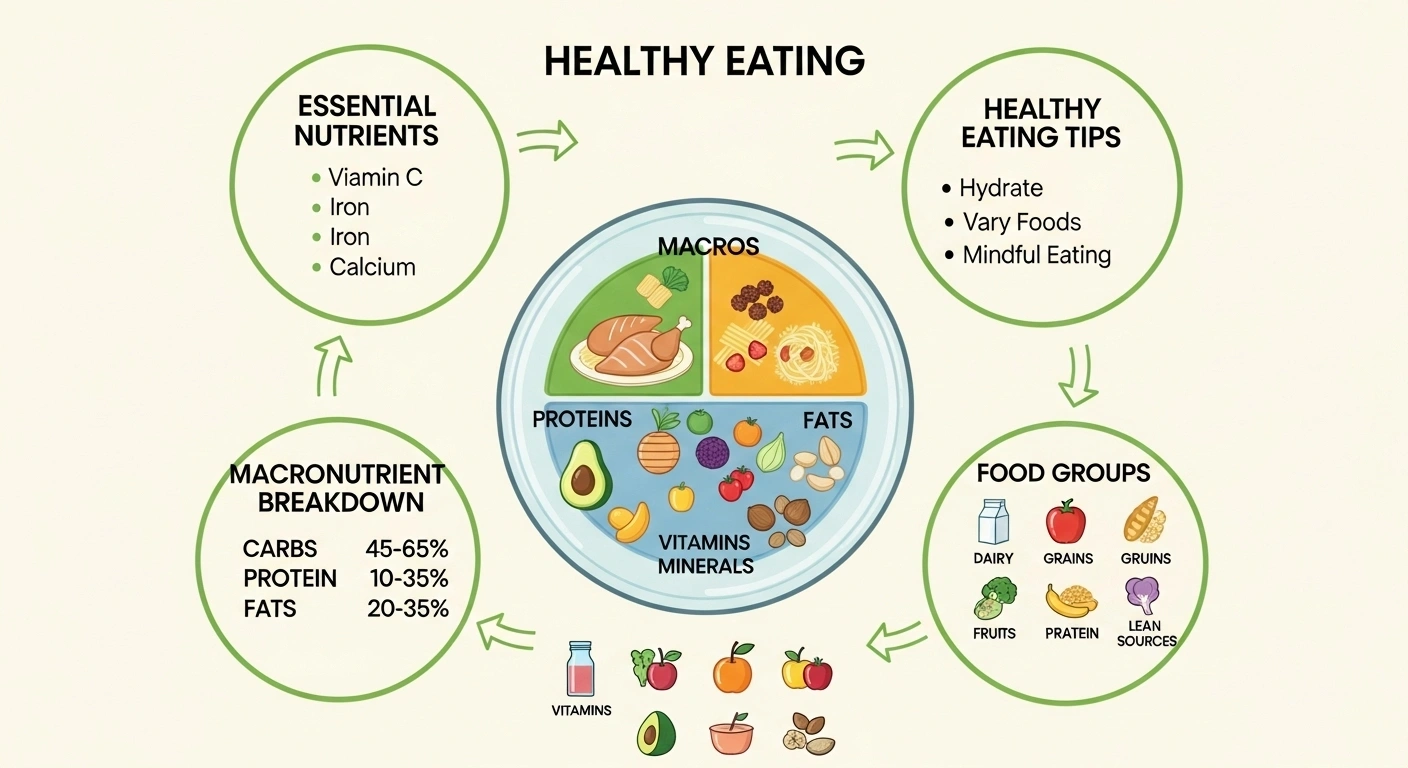
What we eat shapes how we feel, how we think, and how our bodies function at the most fundamental level. Nutrition science has evolved significantly over the past few decades, moving beyond simple calorie counting to understanding the complex interplay between nutrients, our microbiome, and long-term health outcomes. This guide explores the building blocks of a nutritious diet, practical strategies for improving your eating habits, and what the evidence actually says about nourishing your body well.
Understanding Macronutrients
Protein:The Building Block
Protein serves as the structural foundation for muscles, organs, hormones, and enzymes throughout your body. Every cell contains protein, and your body uses amino acids from dietary protein to build and repair tissues constantly.
The current Recommended Dietary Allowance for protein is 0.8 grams per kilogram of body weight for adults with minimal physical activity (American Heart Association). This means a person weighing 75 kilograms would need approximately 56 grams of protein daily. However, requirements increase with age and activity level. Adults over 40-50 may benefit from 1.0-1.2 grams per kilogram to prevent age-related muscle loss, while those who exercise regularly may need 1.1-1.5 grams per kilogram (Mayo Clinic Health System).
The World Health Organization recommends that protein intake comprise 10-15% of total daily energy, roughly 50-75 grams for someone consuming about 2,000 calories per day (WHO Healthy Diet Fact Sheet). Quality matters alongside quantity. Lean meats, fish, eggs, legumes, and dairy all provide complete proteins with essential amino acids your body cannot manufacture.
Spreading protein intake throughout the day rather than consuming most at dinner appears to support better muscle protein synthesis. Research suggests aiming for 15-30 grams at each meal optimizes how your body uses this nutrient.
Carbohydrates: Energy and Beyond
Carbohydrates remain the primary energy source for the body, particularly the brain and muscles. The WHO recommends that carbohydrates comprise approximately 45-75% of total daily energy intake, emphasizing that these should come primarily from whole grains, vegetables, fruits, and pulses rather than refined sources.
Not all carbohydrates affect your body equally. The glycemic index measures how quickly foods raise blood sugar levels. Foods with a low glycemic index (55 or less) include most fruits and vegetables, beans, minimally processed grains, pasta, and low-fat dairy (Harvard Health). These foods cause gradual blood sugar rises rather than dramatic spikes.
Whole grains deserve particular attention. Fiber, nutrients, and phytochemicals in whole grains may improve insulin sensitivity and glucose metabolism while slowing food absorption (Harvard T.H. Chan School of Public Health). A meta-analysis including 32 randomized controlled trials found that whole grain consumption showed significant inverse effects on fasting glucose concentration (PMC9623515).
Women who average 2-3 servings of whole grains daily have been found to be 30% less likely to develop type 2 diabetes compared to those who rarely eat whole grains in prospective cohort studies following over 160,000 participants.
Healthy Fats: Essential but Selective
Dietary fats serve crucial functions including hormone production, nutrient absorption, and cell membrane integrity. The key lies in choosing the right types.
Omega-3 fatty acids from fish have garnered substantial research attention. A meta-analysis of 38 randomized controlled trials found that omega-3 fatty acids reduced cardiovascular mortality and improved cardiovascular outcomes (eClinicalMedicine, 2021). The American Heart Association recommends eating fish at least twice weekly for cardiovascular health.
The three main omega-3 fatty acids are alpha-linolenic acid (ALA), eicosapentaenoic acid (EPA), and docosahexaenoic acid (DHA). EPA and DHA are primarily found in fatty fish like salmon, mackerel, herring, and sardines. ALA comes from plant sources including flaxseeds, walnuts, and canola oil. Evidence suggests 0.5 to 1.8 grams daily of combined EPA and DHA provides cardiovascular benefits (American Heart Association Scientific Statement).
Micronutrients That Matter
Fiber: The Overlooked Essential
Dietary fiber represents one of the most significant gaps in modern nutrition. The Dietary Guidelines for Americans recommend adults consume between 22 and 34 grams of fiber daily depending on age and sex, yet the average American consumes only about 15 grams (UCSF Health).
Fiber divides into two categories. Soluble fiber dissolves in water, forming a gel that helps lower cholesterol and stabilize blood sugar. Insoluble fiber remains intact during digestion, promoting bowel regularity and digestive health. Achieving recommended daily intake of both types enhances satiety, improves lipid profiles, and supports a balanced gut microbiome (NCBI Bookshelf – StatPearls).
An estimated $12.7 billion in direct healthcare costs related to functional constipation could be saved if all American adults increased dietary fiber intake by 9 grams per day (PMC6124841). Good sources include vegetables, legumes, whole grains, fruits, nuts, and seeds.
Vitamin D: The Sunshine Vitamin
Vitamin D is essential for bone development and maintenance, enhancing calcium, magnesium, and phosphate absorption. A circulating 25-hydroxyvitamin D level above 30 ng/mL is necessary to ensure adequate levels (NCBI Bookshelf – StatPearls, 2025).
Severe vitamin D deficiency dramatically increases risks of excess mortality, infections, and bone disorders. Deficiency can lead to osteomalacia in adults and rickets in children. High-risk populations include those with limited sun exposure, older adults, and people with malabsorption disorders (Vitamin D Deficiency StatPearls).
Research indicates that correction of severe vitamin D deficiency remains essential for health, though supplementation in already vitamin D-replete individuals may not generate additional benefits (Nature Reviews Endocrinology, 2021).
Iron: Critical for Oxygen Transport
Iron deficiency remains the most common nutritional deficiency worldwide, with approximately 30% of the global population affected (WHO). Iron is essential for hemoglobin production and oxygen transport throughout the body.
Anemia causes symptoms including fatigue, reduced physical work capacity, and shortness of breath. The WHO estimates that 40% of children aged 6-59 months, 37% of pregnant women, and 30% of women aged 15-49 are affected by anemia globally. Dietary iron deficiency is the leading cause, accounting for approximately 66% of male and 57% of female anemia cases (Journal of Hematology & Oncology, 2021).
Iron-rich foods include lean meats, beans, lentils, fortified cereals, and dark leafy greens. Vitamin C enhances iron absorption, making citrus fruits or bell peppers excellent companions to iron-rich meals.
Hydration: The Foundation
Water accounts for approximately 60% of an adult’s body weight and is essential for virtually every bodily function. Adequate hydration prevents dehydration, which may cause unclear thinking, mood changes, overheating, constipation, and kidney stones (CDC).
The National Academy of Medicine suggests adequate daily fluid intake of about 13 cups for healthy men and 9 cups for healthy women (Harvard T.H. Chan School of Public Health). Individual needs vary based on activity level, climate, and health status.
Research indicates that even mild dehydration of 2% fluid loss can affect memory, mood, concentration, and reaction time (National Council on Aging). Water supports joint lubrication, temperature regulation, waste elimination, and nutrient transport throughout the body.
Dietary Patterns That Work
The Mediterranean Approach
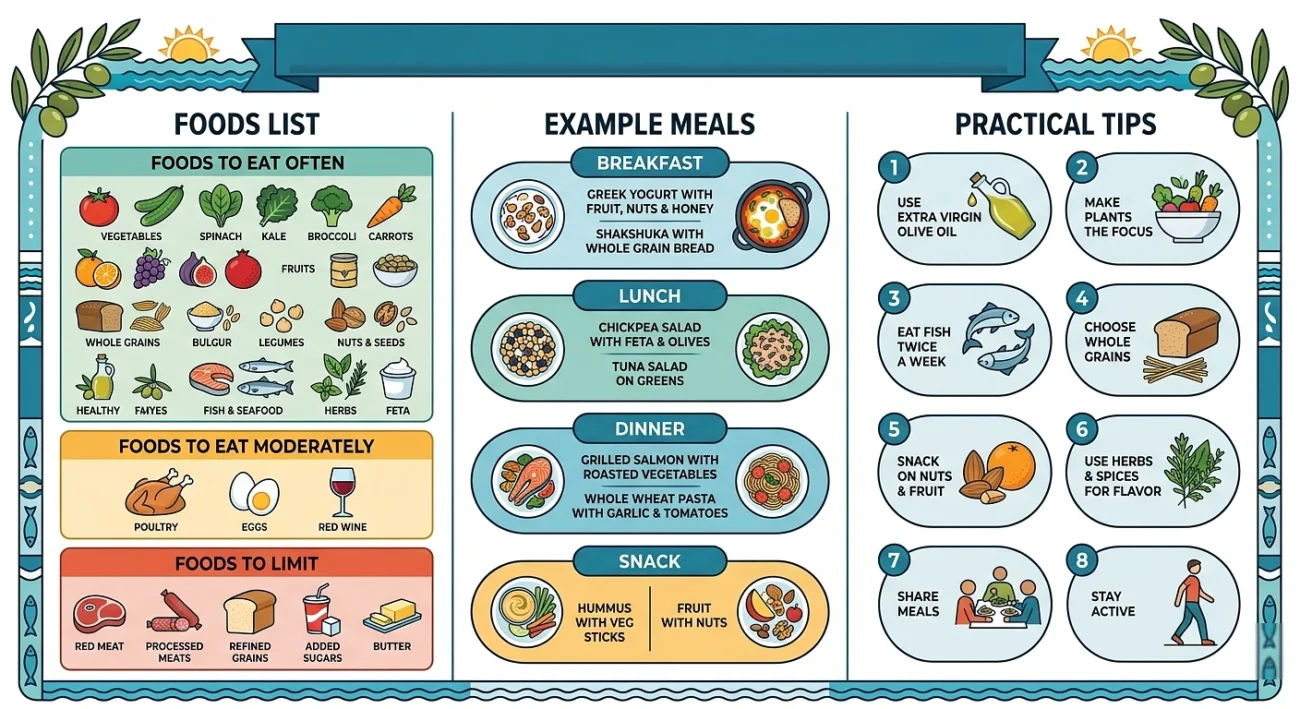
The Mediterranean diet has accumulated perhaps the strongest evidence base of any dietary pattern. Research consistently shows it reduces cardiovascular disease risk and overall mortality. A study of nearly 26,000 women found those following this eating pattern had 25% less risk of developing cardiovascular disease over 12 years (Harvard T.H. Chan School of Public Health).
The PREDIMED trial, a primary prevention randomized trial involving 7,447 participants at high cardiovascular risk, found the Mediterranean diet supplemented with extra-virgin olive oil or mixed nuts reduced major cardiovascular events by approximately 30% compared to a control diet (PMC7190876).
This eating pattern emphasizes daily consumption of vegetables, fruits, whole grains, and olive oil; moderate intake of fish, poultry, and dairy; and limited consumption of red meat and processed foods. The benefits appear to stem from the combination of foods rather than any single component.
Plant Base Emphasis
Regardless of whether you eat meat, emphasizing plant foods provides substantial health benefits. Fruits, vegetables, whole grains, legumes, nuts, and seeds provide fiber, vitamins, minerals, and protective phytochemicals that work synergistically.
The diversity of plant foods matters. Different colored vegetables and fruits provide different antioxidants and phytochemicals. Aim for variety throughout the week rather than relying on the same few choices.
Antioxidants and Free Radicals
Free radicals are highly reactive molecules with unpaired electrons that can damage DNA, proteins, and cell membranes. Oxidative stress from excess free radicals has been linked to cardiovascular disease, certain cancers, and neurodegenerative conditions (PMC3614697).
Antioxidants neutralize free radicals by donating electrons. Your body produces some antioxidants naturally, but diet provides essential external sources including vitamins C and E, beta-carotene, and numerous phytochemicals (Harvard Health).
Carotenoids like lycopene in tomatoes and lutein in kale, along with flavonoids found in berries, green tea, and dark chocolate, demonstrate antioxidant properties. The protective effect comes most reliably from whole foods rather than isolated supplements. Studies suggest antioxidant supplements do not work as well as naturally occurring antioxidants in foods (Better Health Channel Victoria).
Practical Tips for Better Eating
- Start with small changes. Replace one processed food with a whole food alternative. Choose water instead of sugary beverages. Add an extra serving of vegetables to dinner.
- Plan ahead. Prepare ingredients or meals in advance so healthy options are readily available when hunger strikes. Keep cut vegetables, hard-boiled eggs, or portioned nuts accessible for snacks.
- Read labels thoughtfully. Look beyond marketing claims to actual ingredient lists. Fewer ingredients and recognizable foods generally indicate less processing.
- Practice mindful eating. Eat without distractions when possible. Notice flavors, textures, and satiety signals. Eating slowly allows your body time to register fullness.
- Make gradual improvements. Sustainable change happens incrementally. Perfect eating is neither realistic nor necessary. Consistency with generally healthy choices matters more than occasional indulgences.
Moving Forward
Healthy eating is not about restriction or deprivation. It is about nourishing your body with foods that support your energy, mental clarity, and long-term wellbeing. The evidence consistently points toward whole foods, plant-rich diets with adequate protein, healthy fats, and proper hydration.
Individual needs vary based on age, activity level, health conditions, and personal preferences. What works brilliantly for one person may not suit another. The principles, however, remain consistent: emphasize whole foods, ensure adequate nutrients, stay hydrated, and find an eating pattern you can sustain long-term.
Your relationship with food shapes your health for decades. Small improvements today compound into significant benefits over time. Every meal represents an opportunity to nourish yourself well.