
Insoya: The Complete Guide to Benefits, Uses and Nutrition

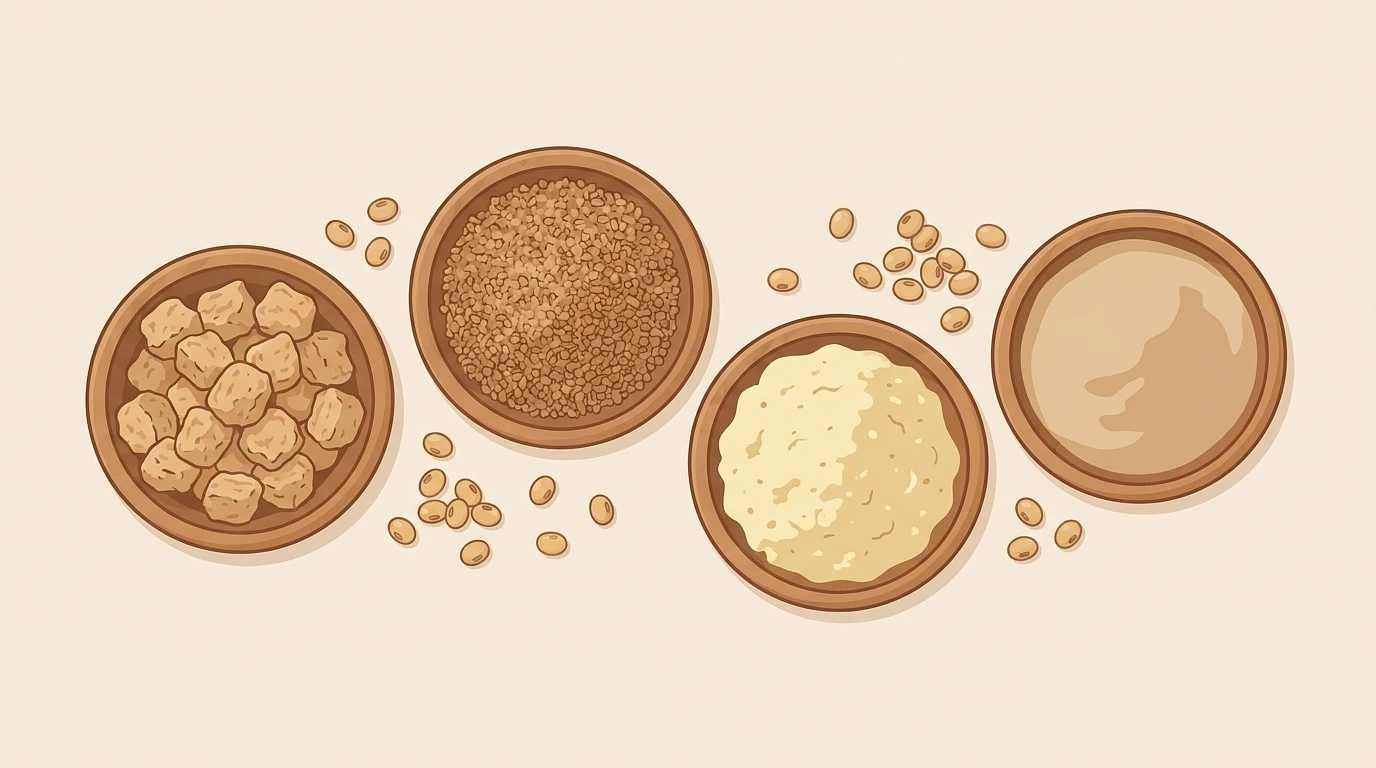
If you have spent any time poking around plant-based protein lately you have probably bumped into the name Insoya, and the first thing worth saying is that it is not some lab-grown mystery ingredient. It is soy, specifically defatted soybean flour and the products made from it, which is a food people across South Asia have been cooking with for decades under names like soy chunks and soy granules. The “in” branding is new. The food underneath it is old, cheap, and one of the most protein-dense things you can keep in a cupboard.
That is really the whole appeal in one line. You get more protein per 100 grams than chicken breast, almost no fat, zero cholesterol, and it costs a fraction of what whey or meat does. The catch, and there is always a catch, is that the marketing around it tends to oversell, so this guide sticks to what the food actually does and skips the miracle talk.
The Nutrition, And Where The Numbers Come From
| Nutrient | Per 100g |
|---|---|
| Protein | 50–54 g |
| Calories | 330–375 kcal |
| Carbohydrates | 30–35 g |
| Dietary fibre | 12–16 g |
| Fat | 1–2 g |
| Cholesterol | 0 mg |
| Iron | ~8 mg |
| Calcium | ~290 mg |
| Magnesium | ~285 mg |
| Potassium | ~2,090 mg |
| B-vitamins | Present (folate, B6, thiamin) |
| Isoflavones | Present |
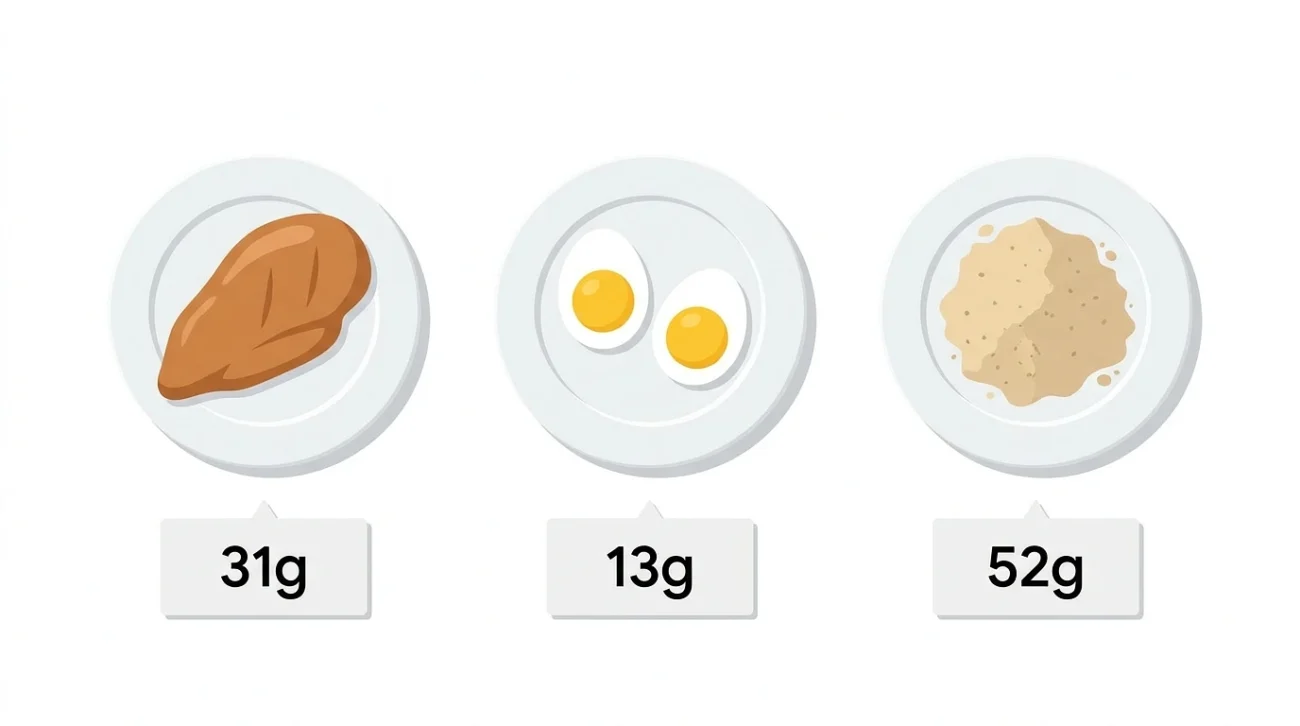
Roughly 50 grams of protein in 100 grams is genuinely exceptional insoya. Chicken breast sits around 31 grams for the same weight, eggs around 13, so on a dry-weight basis this beats both, and it does it without the cholesterol and at a much lower price per gram of protein. One honest caveat on the B12 question, because a lot of guides get this wrong: plain soy does not naturally contain B12, it reads zero in the raw flour, so if a product lists B12 it has been fortified. That matters for vegans relying on it, so check the label rather than assuming.
The Real Health Benefits
- Muscle repair and recovery. Soy is a complete protein, it carries all nine essential amino acids, which is rare for a plant food. That makes it a legitimate post-workout option, and plenty of people find it sits easier on the stomach than whey, especially anyone who gets bloated by dairy. It is not magic, it is just a solid, digestible complete protein at a low price.
- Heart health, and this one has proper backing. A 2019 meta-analysis of 46 trials, the same set the FDA used for its review, found that around 25 grams of soy protein a day lowered LDL cholesterol by roughly 3 to 4%. That is a modest effect, not a dramatic one, and the honest framing is that it works best when soy is replacing higher-saturated-fat animal protein rather than just being piled on top of an unchanged diet. Combine zero cholesterol with that small LDL nudge and it is a sensible food for a heart-conscious eater, with no overclaiming needed.
- Weight management. This is straightforward, high protein plus a big dose of fibre keeps you full, and feeling full means you reach for snacks less. There is nothing exotic happening, it is the same satiety logic behind any high-protein food, but the fibre content here is unusually generous which helps. Just do not undo it by deep-frying everything, boiled, grilled, or stir-fried keeps the maths in your favour.
- Bones and the menopause angle. The calcium and magnesium do the structural work, and the isoflavones are the interesting part for women approaching menopause, since that is when bone loss speeds up. The evidence on isoflavones and bone density is promising rather than nailed-down, so treat it as a helpful contributor to a bone-friendly diet, not a treatment.
- Digestion. Twelve to sixteen grams of fibre per 100 grams is a lot, and that feeds gut bacteria and keeps things moving, which is the unglamorous foundation under most of the other benefits.
The Testosterone Question, Settled
Worth tackling head on because it puts a lot of men off soy for no good reason. The fear comes from isoflavones being structurally similar to oestrogen, which sounds alarming until you look at what actually happens in the body. A 2009 meta-analysis looking at multiple soy products concluded that neither soy foods nor isoflavone supplements meaningfully change testosterone levels in men. The “soy feminises men” idea traces back to a handful of extreme, high-dose case reports that have nothing to do with normal eating. At the amounts anyone actually consumes, it is a non-issue, and the protein and recovery benefits apply to men exactly as they do to women.
Fitting It Into A Normal Day
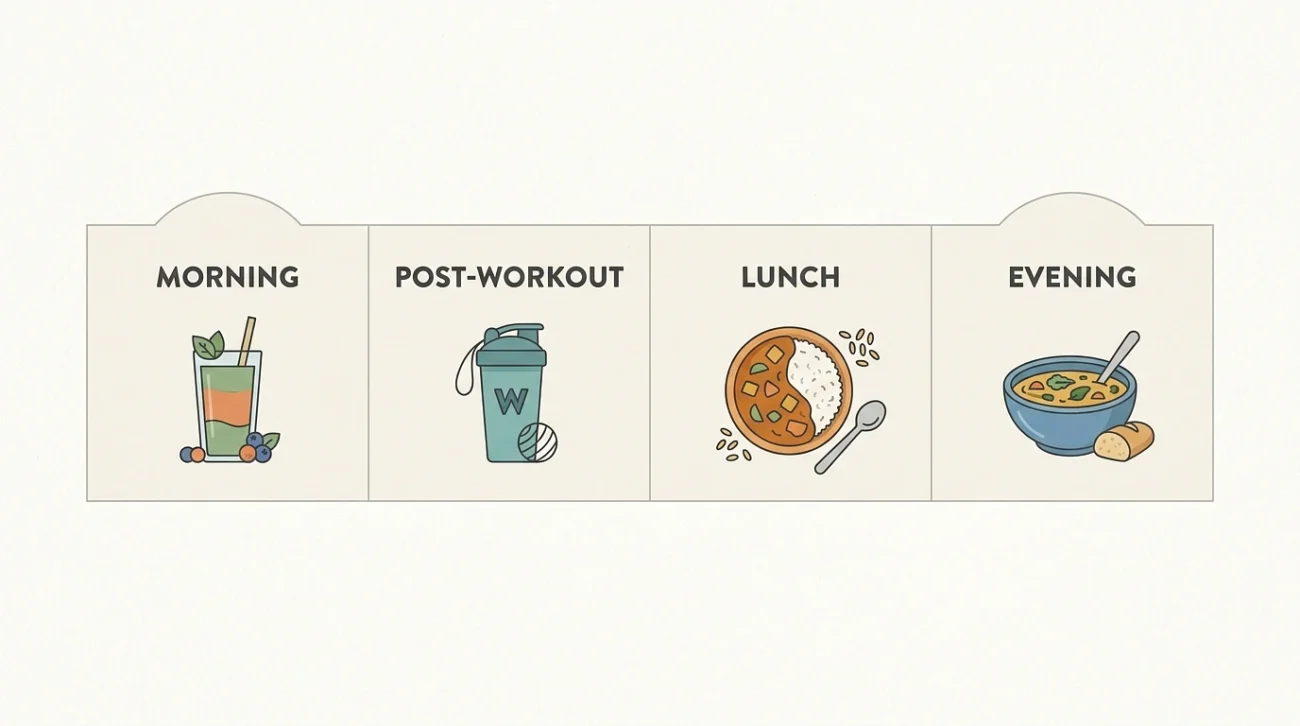
You do not need a regimen, but a bit of timing helps you get more out of it:
- Morning works well as flour stirred into porridge or blended into a smoothie, slow-release fuel that holds you to lunch.
- Post-workout is the obvious window, a quick shake gives the muscles amino acids while they are primed to use them.
- Lunch is where soy chunks in a curry or rice dish earn their keep and head off the mid-afternoon slump.
- Evening stays lighter, a stir-fry or a soup insoya nutrition, and it is worth not loading up on a heavy protein portion right before bed since digestion slows overnight.
Beyond timing, the flavour is mild enough to go almost anywhere, into oatmeal, dal, soups, muffin batter, bread dough, energy balls, or a banana-and-milk recovery shake. It bends to your cooking rather than demanding its own recipes.
Three Recipes Worth Keeping
- Soy chunk curry. Soak the chunks in hot water for about 15 minutes then squeeze out the excess, this step matters because dry chunks stay rubbery. Sauté onion, tomato, garlic and your spices, add the chunks, and let it cook down for 20 minutes so they drink up the gravy. Serve with rice or roti.
- Soy cutlets. Boil and mash the chunks, mix with boiled potato, chopped onion, green chilli and salt, shape into patties and shallow-fry or air-fry. Good for lunchboxes and an evening snack.
- Soy pulao. Cook rice with softened chunks, diced carrot, peas and beans, and gentle spices like cumin and turmeric insoya. One pot, under 30 minutes, a full meal.
References
- Blanco Mejia, S., et al. “A Meta-Analysis of 46 Studies Identified by the FDA Demonstrates That Soy Protein Decreases Circulating LDL and Total Cholesterol Concentrations in Adults.” Journal of Nutrition, 2019.
- Hamilton-Reeves, J. M., et al. “Clinical studies show no effects of soy protein or isoflavones on reproductive hormones in men: a meta-analysis.” Fertility and Sterility, 2009.
- USDA FoodData Central Soy flour, defatted, nutrient profile per 100g.