
Duricef (Cefadroxil) – Uses, Side Effects and More

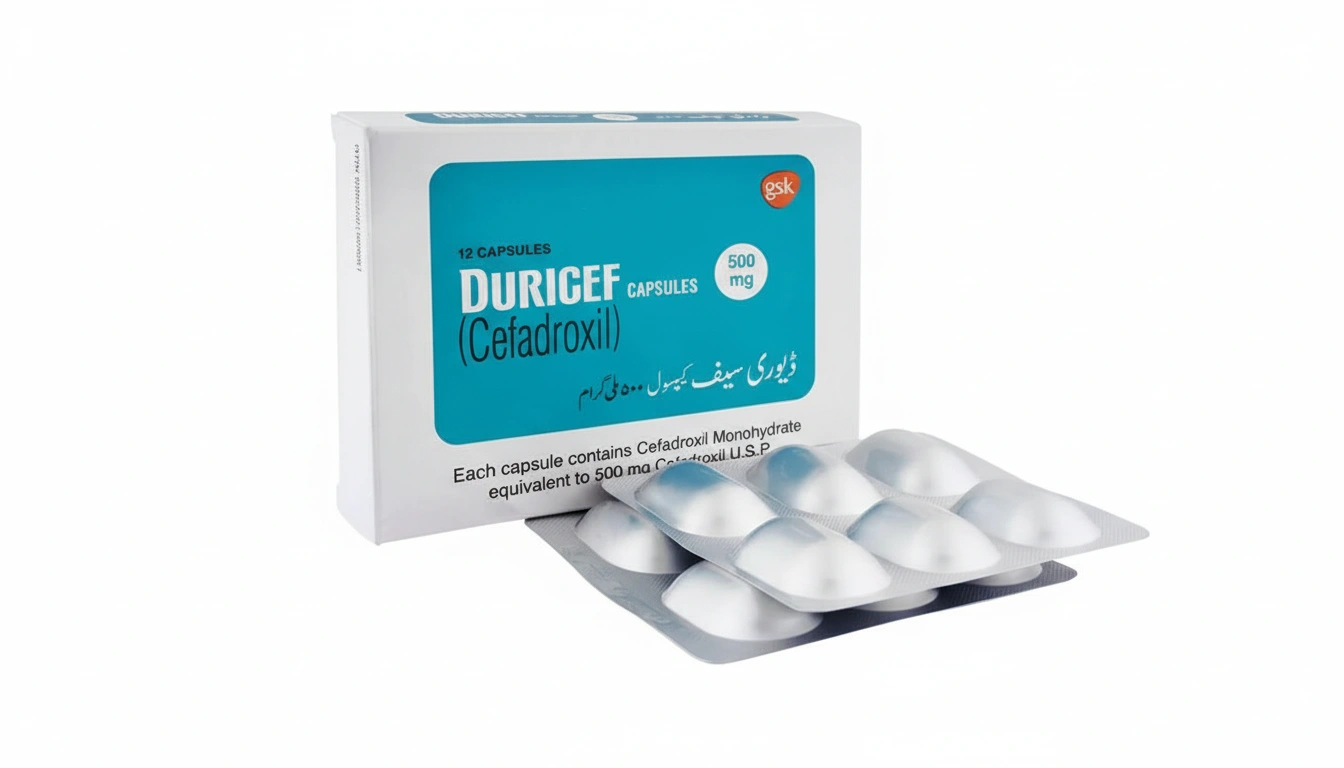
Cefadroxil, sold under the brand name Duricef, is a first-generation cephalosporin antibiotic prescribed to fight a wide range of bacterial infections. It comes in oral forms and is suitable for both adults and children.
Note: The Duricef brand has been discontinued in the U.S., but cefadroxil remains widely available as a generic medication.
What It’s Used For
Cefadroxil targets infections caused by susceptible bacteria. Doctors commonly prescribe it for:
- Skin and soft tissue infections such as impetigo and cellulitis
- Urinary tract infections (UTIs) caused by E. coli, Proteus mirabilis, and Klebsiella species
- Throat and tonsil infections (pharyngitis/tonsillitis) from Group A Streptococcus
- Wound infections and some bone infections
- Endocarditis prophylaxis in penicillin-allergic patients with heart conditions undergoing dental or respiratory procedures
Cefadroxil does not treat viral infections like the flu or common cold. Using it unnecessarily contributes to antibiotic resistance.
How It Works
Cefadroxil is bactericidal, meaning it kills bacteria outright. It binds to penicillin-binding proteins (PBPs) on the bacterial cell wall, disrupts the cross-linking of peptidoglycan layers, and causes the bacterial cell to collapse and die.
Pharmacokinetics
Knowing how the body handles cefadroxil explains why it works well as a once- or twice-daily antibiotic.
- Absorption: Rapidly and almost completely absorbed from the gut. Food does not affect absorption rate or peak concentration.
- Peak Concentration: Reached within 1–2 hours after an oral dose in adults with normal kidney function.
- Half-Life: 1.1–2 hours in healthy adults; extends to 13–25 hours in patients with severely impaired kidneys.
- Elimination: Excreted unchanged in urine. About 70–90% of a dose is cleared within 24 hours.
- Hemodialysis: Cefadroxil is removed by hemodialysis, which is important for dose timing in dialysis patients.
Dosage Forms
Cefadroxil is available in three oral forms:
- Capsules – 500 mg
- Tablets – 1 g (film-coated)
- Oral Suspension (Liquid) – 125 mg/5 mL, 250 mg/5 mL, and 500 mg/5 mL
The oral suspension contains sucrose. Patients with diabetes should consult their doctor before using the liquid form.
Typical Dosing
Adults:
| Infection Type | Dose | Frequency | Duration |
|---|---|---|---|
| UTI (uncomplicated) | 1–2 g/day | Once or twice daily | 7–10 days |
| Skin infections | 1 g/day | Once or twice daily | As directed |
| Strep throat / Tonsillitis | 1 g/day | Once daily | At least 10 days |
Children (Weight-Based):
| Infection Type | Daily Dose | Frequency |
|---|---|---|
| Pharyngitis, tonsillitis, impetigo | 30 mg/kg/day | Once daily or every 12 hrs |
| Skin and skin structure infections | 30 mg/kg/day | Every 12 hours |
| UTI | 30–50 mg/kg/day | As directed |
Renal Impairment Dosing:
Patients with reduced kidney function need adjusted doses based on creatinine clearance (CrCl):
| CrCl (mL/min) | Dosing Interval (after initial 1 g dose) |
|---|---|
| 25–50 | 500 mg every 12 hours |
| 10–25 | 500 mg every 24 hours |
| 0–10 | 500 mg every 36 hours |
How to Take Cefadroxil
Taking cefadroxil correctly improves its effectiveness and reduces side effects.
- Take with or without food food helps if you experience stomach upset
- Avoid spicy or acidic foods during treatment, as they can worsen nausea
- Swallow tablets and capsules whole; do not crush or chew them
- Shake the oral suspension well before each dose; use the provided syringe or cup, never a kitchen spoon
- Take doses at the same time(s) each day for consistent levels in your bloodstream
- Store tablets and capsules at room temperature (68–77°F), away from moisture and heat
- Store liquid in the refrigerator (36–46°F); do not freeze; discard after 14 days
Missed Dose
Take the missed dose as soon as you remember. If it is almost time for your next scheduled dose, skip it. Never take two doses at once to make up for a missed one.
Common Side Effects
These side effects are generally mild and often improve as your body adjusts:
- Nausea and vomiting
- Diarrhea
- Stomach upset or abdominal pain
- Indigestion (dyspepsia)
- Skin rash or itching
- Glossitis (inflammation of the tongue)
- Headache
Serious Side Effects
Some side effects require immediate medical attention. Stop taking cefadroxil and seek help right away if you notice any of the following.
Severe Allergic Reaction (Anaphylaxis) Symptoms include hives, difficulty breathing, and swelling of the face, lips, tongue, or throat. This is a medical emergency.
C. difficile Colitis Watery or bloody diarrhea, severe stomach cramps, and fever even occurring months after stopping the antibiotic may signal a C. diff infection. Do not self-treat diarrhea with over-the-counter medicines without consulting your doctor first.
Severe Skin Reactions Cefadroxil can cause Stevens-Johnson Syndrome (SJS) and Toxic Epidermal Necrolysis (TEN). Warning signs include:
- Painful red or purple skin that appears burned and peels off
- Flat red rash or blisters on the skin, mouth, nose, or genitals
- Fever and flu-like symptoms alongside a rash
Blood Disorders Cefadroxil may affect blood cell counts. Seek help immediately if you experience:
- Unusual bruising or bleeding
- Extreme or unexplained fatigue
- Frequent or unusual infections
- Pale skin or shortness of breath
Conditions include agranulocytosis, aplastic anemia, hemolytic anemia, thrombocytopenia, and neutropenia.
Liver Damage (Hepatotoxicity) Contact your doctor right away if you develop:
- Yellowing of the skin or eyes (jaundice)
- Dark or tea-colored urine
- Upper right abdominal pain
- Unusual fatigue or loss of appetite
Kidney Damage Warning signs include little or no urination, swelling in the feet or ankles, and persistent fatigue or shortness of breath.
Superinfection (Fungal Overgrowth) Disrupting the body’s natural bacteria can allow fungi to overgrow. Watch for white patches in the mouth or itching and discharge in the genital area, which may indicate thrush or a yeast infection.
Precautions & Warnings
Before starting cefadroxil, discuss the following with your doctor:
- Allergy history – Do not take if you are allergic to cefadroxil or any cephalosporin. Inform your doctor of any penicillin allergy, as there is a small (~1–2%) cross-reactivity risk.
- Kidney disease – Dose reduction is needed if creatinine clearance falls below 50 mL/min.
- Elderly patients – Age-related kidney decline is common; dose monitoring may be required.
- Pregnancy – Generally considered safe (FDA Category B); use only when prescribed.
- Breastfeeding – Passes into breast milk in small amounts; no harm to nursing infants reported, but consult your doctor.
- Diabetes – The liquid form contains sucrose. Use Clinistix or TesTape (not Clinitest) for urine sugar testing while on this medication to avoid false results.
Drug Interactions
| Drug / Substance | Effect | Recommendation |
|---|---|---|
| Probenecid | Raises cefadroxil blood levels | Monitor |
| Warfarin / Anticoagulants | May alter INR via gut flora changes | Monitor INR |
| Aminoglycosides (e.g., amikacin) | Increased kidney/ear toxicity risk | Use with caution |
| Oral hormonal contraceptives | Reduced effectiveness | Use backup contraception |
| Immune checkpoint inhibitors | Reduced therapeutic efficacy | Monitor closely |
| Live vaccines (BCG, typhoid, cholera) | Antibiotic may reduce vaccine effectiveness | Complete antibiotics first; wait 2–4 weeks before live vaccines |
| Alcohol | Worsens nausea; slows recovery | Avoid during treatment |
Always tell your doctor about every medication, supplement, vitamin, or herbal product you take before starting cefadroxil.
Effect on Medical Tests
Cefadroxil can interfere with certain laboratory results. Always inform your doctor and lab personnel that you are taking this medication before any test. Diabetic patients testing urine for sugar should use Clinistix or TesTape only Clinitest may give false readings while on cefadroxil.
When Will It Start Working?
Most patients begin feeling better within the first few days of treatment. However, completing the full prescribed course is essential, even when symptoms resolve early. Stopping too soon allows surviving bacteria to rebound and may lead to antibiotic resistance.
Antibiotic Stewardship & Resistance Prevention
Responsible antibiotic use protects both individual health and public health. To use cefadroxil responsibly:
- Never self-prescribe or take it without a doctor’s order
- Do not share your prescription with anyone else, even with similar symptoms
- Do not save leftover cefadroxil for a future illness
- Never demand antibiotics for viral infections they have zero effect on viruses
- Ask your doctor if a culture and sensitivity test is needed to confirm the antibiotic will work for your specific bacteria
- Dispose of unused medication through a pharmacy take-back program
Antibiotic resistance is a global crisis. Every correct use of an antibiotic is a step toward protecting future treatments.
Gut Health & Probiotic Considerations
Cefadroxil eliminates not only harmful bacteria but also beneficial gut bacteria, which can disturb your digestive balance. Supporting your gut during and after treatment can reduce side effects and speed recovery.
- Probiotics – Consider taking a Lactobacillus or Bifidobacterium supplement during and after treatment. Take probiotics at least 2 hours apart from your cefadroxil dose so the antibiotic doesn’t neutralize them.
- Fermented foods – Yogurt with live cultures, kefir, or other fermented foods can help replenish beneficial bacteria.
- Stay hydrated – Antibiotic-related diarrhea can dehydrate you quickly; drink plenty of water and electrolyte-containing fluids.
- Avoid antidiarrheal drugs – Do not self-medicate with over-the-counter antidiarrheal medicines without first checking with your doctor, as this can worsen a C. diff infection.
- Watch for thrush – White patches in the mouth or genital itching/discharge may indicate a fungal superinfection. Report these to your doctor promptly.
Your gut microbiome typically begins recovering within a few weeks after completing the antibiotic course. A fiber-rich diet and continued probiotics support faster restoration.
Important Reminders
- Complete the full prescribed course, even if you feel better
- Never share this medication with anyone else
- Keep all medications out of reach of children and pets
- Bring a full list of your current medications to every doctor’s appointment
- Report unexpected side effects to your doctor or to the FDA at www.fda.gov/medwatch