
Everything You Need to Know About Behavioral Health

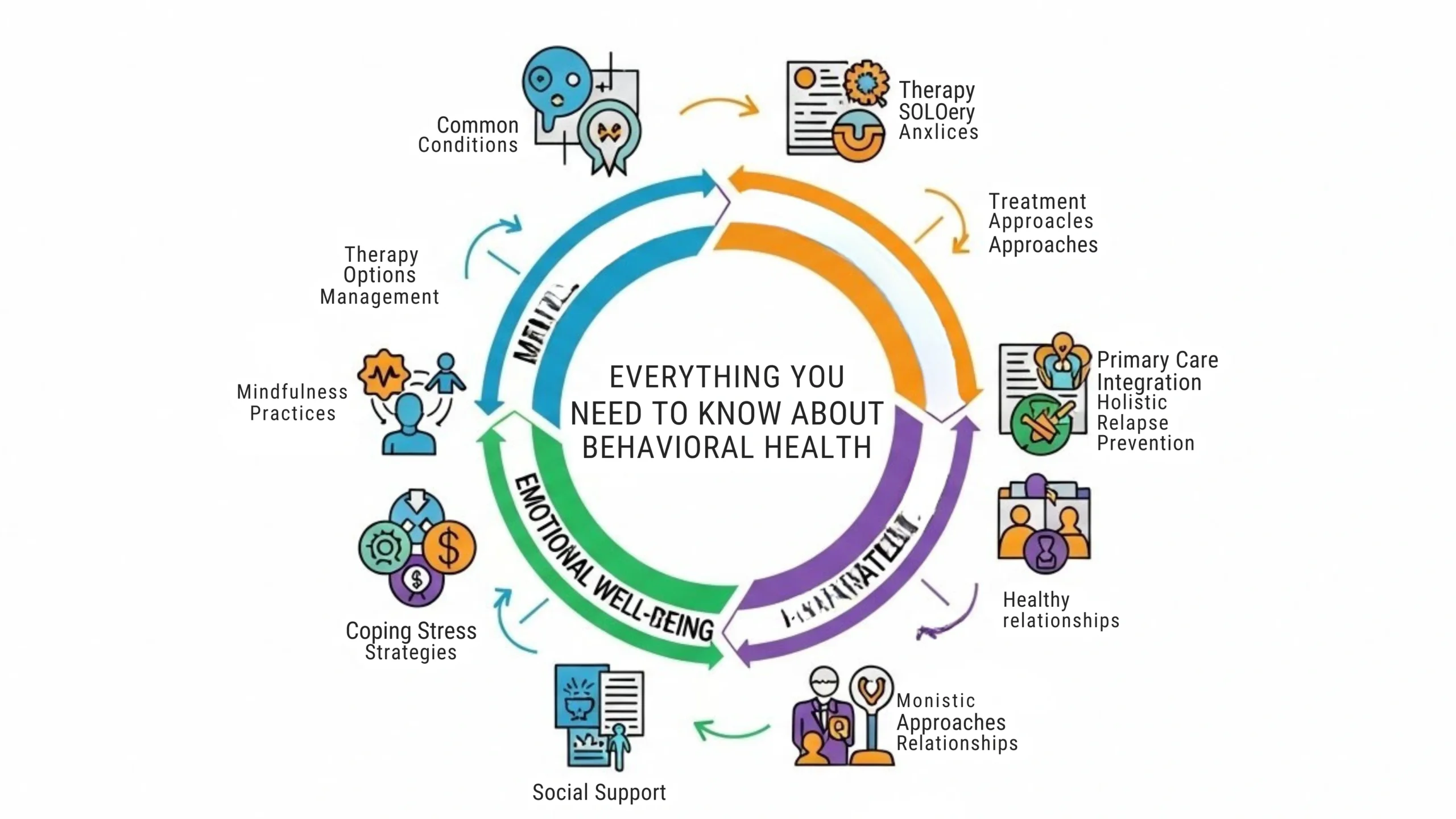
Understanding behavioral health is essential for living a balanced, fulfilling life. Yet many people confuse it with mental health or remain uncertain about what it truly encompasses. This comprehensive guide breaks down what behavioral health means, why it matters, and how you can take steps to improve your own.
What Is Behavioral Health
Behavioral health refers to the connection between daily habits, behaviors, and overall mental and physical well-being. It encompasses more than mental health alone because it includes how your actions eating patterns, sleep habits, substance use, exercise routines, and stress responses affect your psychological state.
The Substance Abuse and Mental Health Services Administration (SAMHSA) defines behavioral health as “the promotion of mental health, resilience, and well-being; the treatment of mental and substance use disorders; and the support of those who experience or are in recovery from these conditions, along with their families and communities” (SAMHSA, 2023).
Think of it this way: mental health focuses on your emotional and psychological state, while behavioral health examines how your behaviors influence that state and vice versa.
Why Behavioral Health Matters
Your behaviors and mental state exist in a constant feedback loop. Poor sleep makes you irritable. Chronic stress leads to overeating or substance misuse. Lack of physical activity contributes to depression. These connections make behavioral health a critical piece of the wellness puzzle.
The World Health Organization recognizes depression as one of the leading causes of disability globally. Depression affects approximately 332 million people worldwide, making it about 1.5 times more common among women than among men (WHO Fact Sheet: Depressive Disorder, 2024).
Meanwhile, substance use disorders affect millions of people worldwide and often co-occur with mental health conditions—a situation clinicians call “dual diagnosis” or “co-occurring disorders.”
The Scope of Behavioral Health Challenges
Recent data reveals the widespread nature of behavioral health needs:
According to SAMHSA’s 2024 National Survey on Drug Use and Health (NSDUH):
- 23.4% of adults (approximately 61.5 million people) had any mental illness in the past year
- 5.6% of adults (approximately 14.6 million people) had serious mental illness in the past year
- 16.8% of the U.S. population aged 12 or older (about 48.4 million individuals) met the criteria for a substance use disorder
- 21.2 million adults had co-occurring mental illness and substance use disorder
These figures demonstrate why addressing behavioral health at both individual and societal levels remains essential.
Core Components of Behavioral Health
Mental Health:
This includes emotional regulation, cognitive function, and psychological resilience. Conditions like anxiety disorders, depression, bipolar disorder, and schizophrenia fall under this category. The Diagnostic and Statistical Manual of Mental Disorders, Fifth Edition (DSM-5), published by the American Psychiatric Association, serves as the primary guide for diagnosing these conditions.
SAMHSA defines mental health as including “emotional, psychological, and social well-being” that affects how people think, feel, act, handle stress, relate to others, and make health choices.
Substance Use:
Alcohol, tobacco, prescription medications, and illicit drugs can all become problematic when use patterns shift toward dependence or addiction. Behavioral health professionals assess not just the substance itself but the behaviors and triggers surrounding its use.
Lifestyle Behaviors:
Daily habits significantly impact mental wellness. These include:
- Sleep hygiene and duration
- Nutrition and eating patterns
- Physical activity levels
- Screen time and digital habits
- Social connection and isolation patterns
Stress and Coping Mechanisms:
How you respond to stress whether through healthy outlets like exercise and conversation or unhealthy ones like avoidance and substance use shapes your behavioral health over time.
Common Behavioral Health Conditions
Anxiety Disorders:
Characterized by persistent, excessive worry that interferes with daily activities. This category includes generalized anxiety disorder, panic disorder, social anxiety disorder, and specific phobias.
The 2024 NSDUH found that 21.7% of U.S. adults reported symptoms of generalized anxiety disorder, with 7.4% reporting moderate or severe symptoms.
Depressive Disorders:
Involve persistent feelings of sadness, hopelessness, and loss of interest in previously enjoyed activities. Major depressive disorder and persistent depressive disorder are the most commonly diagnosed forms.
Among adolescents aged 12 to 17, the percentage who had a major depressive episode in the past year declined from 20.8% in 2021 to 15.4% in 2024, according to the 2024 NSDUH.
Substance Use Disorders:
Occur when repeated use of alcohol or drugs causes significant impairment, including health problems, disability, and failure to meet responsibilities at work, school, or home.
Eating Disorders:
Include anorexia nervosa, bulimia nervosa, and binge-eating disorder. These conditions involve serious disturbances in eating behavior and related thoughts and emotions.
Trauma and Stress-Related Disorders:
Post-traumatic stress disorder (PTSD) and acute stress disorder develop following exposure to traumatic events and involve symptoms like flashbacks, avoidance, and hypervigilance.
Treatment Approaches in Behavioral Health
Effective treatment typically involves a combination of approaches tailored to individual needs.
Cognitive Behavioral Therapy (CBT):
Aaron T. Beck, M.D., developed cognitive therapy (now known as Cognitive Behavioral Therapy or CBT) at the University of Pennsylvania in the 1960s. CBT focuses on identifying and changing negative thought patterns and behaviors.
CBT has been found effective in more than 2,000 clinical trials for treating depression, anxiety disorders, eating disorders, substance abuse, personality disorders, and many other conditions (Beck Institute for Cognitive Behavior Therapy).
In 1994, Dr. Aaron Beck and his daughter Dr. Judith Beck founded the nonprofit Beck Institute for Cognitive Behavior Therapy to advance research and training in this evidence-based approach.
Dialectical Behavior Therapy (DBT):
Marsha M. Linehan, Ph.D., created Dialectical Behavior Therapy (DBT) in the late 1980s. DBT is an evidence-based psychotherapy that combines cognitive restructuring with acceptance, mindfulness, and behavioral shaping techniques.
Originally developed for treating individuals with borderline personality disorder who were chronically suicidal, DBT has proven effective at reducing suicidal behaviors, self-harm, and hospitalizations. Linehan first published her research on DBT in the Archives of General Psychiatry in 1991, establishing it as the first effective therapy for this high-risk population (University of Washington Behavioral Research and Therapy Clinics).
DBT has since been adapted to treat substance use disorders, eating disorders, depression, and other mental health conditions.
Medication:
Psychiatric medications including antidepressants, anti-anxiety medications, mood stabilizers, and antipsychotics—can help manage symptoms when prescribed and monitored by qualified professionals.
Integrated Care:
Modern behavioral health increasingly emphasizes integrated care, where mental health, substance use, and primary care services work together. This approach recognizes that physical and behavioral health are inseparable.
Peer Support:
Recovery support services, including peer specialists who have lived experience with behavioral health conditions, provide valuable guidance and connection for those in treatment.
Signs You May Need Behavioral Health Support
Consider reaching out to a professional if you experience:
- Persistent sadness or hopelessness lasting more than two weeks
- Excessive worry that interferes with daily functioning
- Significant changes in sleep patterns or appetite
- Withdrawal from friends, family, or activities you once enjoyed
- Increased reliance on alcohol, drugs, or other substances to cope
- Thoughts of self-harm or suicide
- Difficulty functioning at work, school, or in relationships
- Unexplained physical symptoms without a medical cause
Self-Care Strategies for Better Behavioral Health
While professional help is essential for many conditions, daily habits form the foundation of behavioral wellness.
Prioritize Sleep:
Adults generally need seven to nine hours of quality sleep per night. The brain consolidates memories, processes emotions, and clears metabolic waste during sleep all essential for mental wellness. Maintaining consistent sleep and wake times supports your circadian rhythm.
Move Your Body:
Physical health activity releases endorphins and helps regulate stress hormones. You don’t need intense workouts—regular walking, stretching, or dancing all count. Find movement you enjoy and can sustain.
Nourish Yourself Properly:
The gut-brain connection means your diet affects your mood. Whole foods, adequate hydration, and limiting processed foods and excessive sugar support both physical and mental health.
Build Social Connections:
Humans are inherently social creatures. Meaningful relationships buffer against stress and provide emotional support during difficult times. Quality matters more than quantity.
Practice Stress Management:
Techniques like deep breathing, meditation, journaling, and spending time in nature help regulate your nervous system. Regular practice builds resilience over time.
Limit Substance Use:
Alcohol and recreational drugs may provide temporary relief but often worsen anxiety and depression in the long run. Be honest with yourself about your consumption patterns.
Set Boundaries with Technology:
Constant connectivity and social media can increase anxiety and disrupt sleep. Consider designated screen-free times and curating your digital environment intentionally.
Breaking the Stigma
One of the biggest barriers to seeking behavioral health support remains stigma. Many people feel ashamed or embarrassed to admit they’re struggling, delaying treatment that could significantly improve their lives.
Behavioral health conditions are not character flaws or signs of weakness. They’re medical conditions influenced by genetics, brain chemistry, life experiences, and environment. Just as you’d seek treatment for a broken bone, seeking help for a behavioral health condition demonstrates self-awareness and strength.
How to Find Help
If you or someone you know needs behavioral health support, several pathways exist:
988 Suicide and Crisis Lifeline: Call or text 988 in the United States for free, confidential, 24/7 crisis support. Launched in July 2022, this service connects callers to trained counselors through a network of over 200 local crisis centers. Since its launch, the 988 Lifeline has answered over 13 million calls, texts, and chats from people in need of support.
Primary care physician: Often the first point of contact who can provide referrals.
Insurance provider: Can supply a list of covered behavioral health specialists.
Employee Assistance Programs (EAPs): Many employers offer confidential counseling services.
Community mental health centers: Provide services regardless of ability to pay.
SAMHSA National Helpline: Call 1-800-662-4357 for free, confidential treatment referral and information service available 24/7, 365 days a year.
The Future of Behavioral Health
The field continues evolving with advances in telehealth, digital therapeutics, and personalized treatment approaches. Research into the neuroscience of mental illness, the gut-brain axis, and new therapeutic modalities continues to expand treatment options. Meanwhile, growing public awareness helps reduce stigma and encourages more people to seek help.
Final Thoughts
Behavioral health isn’t a destination it’s an ongoing practice of aligning your daily choices with your mental and emotional well-being. Small, consistent actions compound over time. Whether you’re managing a diagnosed condition or simply trying to live more mindfully, understanding the principles of behavioral health empowers you to make informed decisions.
You don’t have to navigate this alone. Professional support exists, effective treatments are available, and recovery is possible. Taking the first step toward understanding your behavioral health is itself an act of hope.
References:
- Substance Abuse and Mental Health Services Administration (SAMHSA) – About Us.
- SAMHSA 2024 National Survey on Drug Use and Health (NSDUH) Press Release.
- World Health Organization – Depressive Disorder (Depression) Fact Sheet.
- Beck Institute for Cognitive Behavior Therapy – About Aaron T. Beck.
- University of Washington Behavioral Research and Therapy Clinics – Marsha Linehan.