
High Voltage Transistors in Medical Equipment: Essential for Critical Surgeries
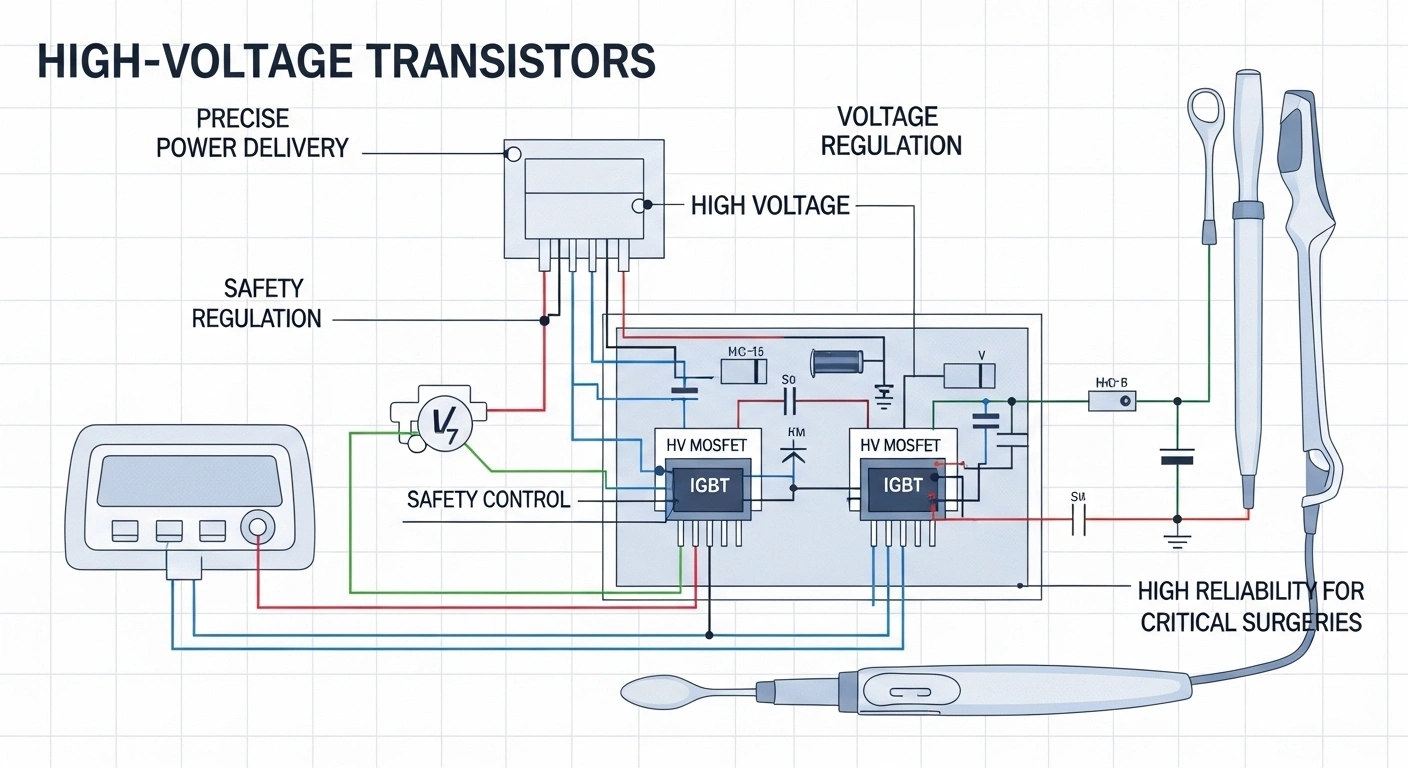
Behind every life-saving surgery is a network of precision electronics working silently under extreme conditions. Among these, high voltage transistors are one of the most critical components in modern health medical equipment.
From delivering precise electrical pulses to controlling high-energy imaging systems, these transistors determine whether a device performs flawlessly or fails at the worst possible moment.
High Voltage Transistors for Critical Surgeries
High voltage transistors are semiconductor devices engineered to operate reliably under voltages that standard transistors cannot withstand typically ranging from 200V to over 1,500V.
In medical applications, they are commonly used in:
- Power amplification circuits for surgical energy delivery
- DC-DC converters that regulate supply rails in life-critical devices
- Pulse generators for neuromodulation and cardiac rhythm management
- High-frequency inverters in imaging and ablation systems
Key types used in medical-grade equipment include:
| Transistor Type | Voltage Range | Medical Application |
|---|---|---|
| MOSFET (N-Channel) | 200V – 900V | Electrosurgical units, MRI gradient drivers |
| IGBT | 600V – 1,700V | Defibrillators, RF ablation systems |
| BJT High Voltage | 300V – 800V | Ultrasound transmitters, laser drivers |
| SiC MOSFET | 900V – 1,700V | Next-gen robotic surgical systems |
High Voltage Transistors Are Non-Negotiable in Surgery
Medical devices operate in environments that demand zero compromise. Here is why these transistors are so critical:
Precision Under Load Surgical energy systems must deliver exact joules of energy to tissue. Poor switching characteristics can cause thermal runaway, leading to uncontrolled tissue damage or device shutdown mid-procedure.
Electrical Isolation & Patient Safety IEC 60601-1 mandates strict isolation between high-voltage circuits and the patient. Transistors with low leakage currents are integral to meeting this standard safely.
Thermal Stability Over Long Procedures Complex surgeries can last 6–12 hours. Transistors must maintain consistent electrical characteristics across extended thermal cycles. SiC MOSFETs are now preferred for their superior thermal conductivity.
EMI Management Operating rooms are electronically dense. Clean, fast transistor switching minimizes EMI emissions protecting monitors, anesthesia machines, and other nearby devices from interference.
Latest Medical Equipment Surgeries Where High Voltage Transistors Are Essential
Robotic-Assisted Laparoscopic Surgery
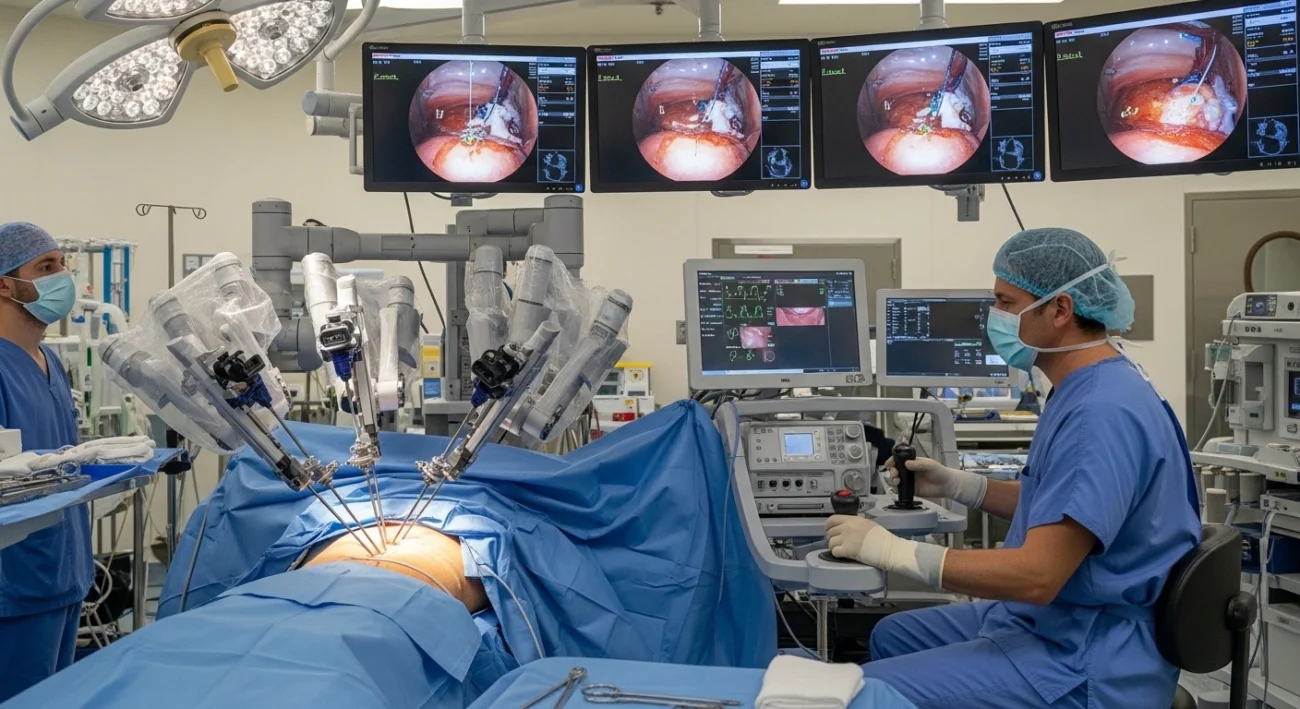
(Da Vinci Xi & Ion Systems 2024–2025 Upgrades)
The Procedure: Minimally invasive surgeries involving the gastrointestinal tract, prostate, kidneys, and lungs are now routinely performed using robotic surgical systems. The latest Da Vinci Xi and Ion platforms received major hardware upgrades in 2024–2025.
Where High Voltage Transistors Come In: The robotic arms are driven by servo amplifiers that rely on high voltage N-channel MOSFETs (600V–900V class). The integrated electrosurgical module uses IGBT-based inverters to deliver RF energy with millisecond-level precision.
Transistor Specifications Required:
- Low RDS(on) for minimal heat generation
- Gate charge < 50nC for high-frequency precision
- Isolation voltage > 4,000V (rms) for patient safety compliance
Why It Matters: A delay or instability in transistor switching during a robotic prostatectomy can result in imprecise arm movement or unintended tissue coagulation consequences that are irreversible.
High Intensity Focused Ultrasound (HIFU) for Tumor Ablation
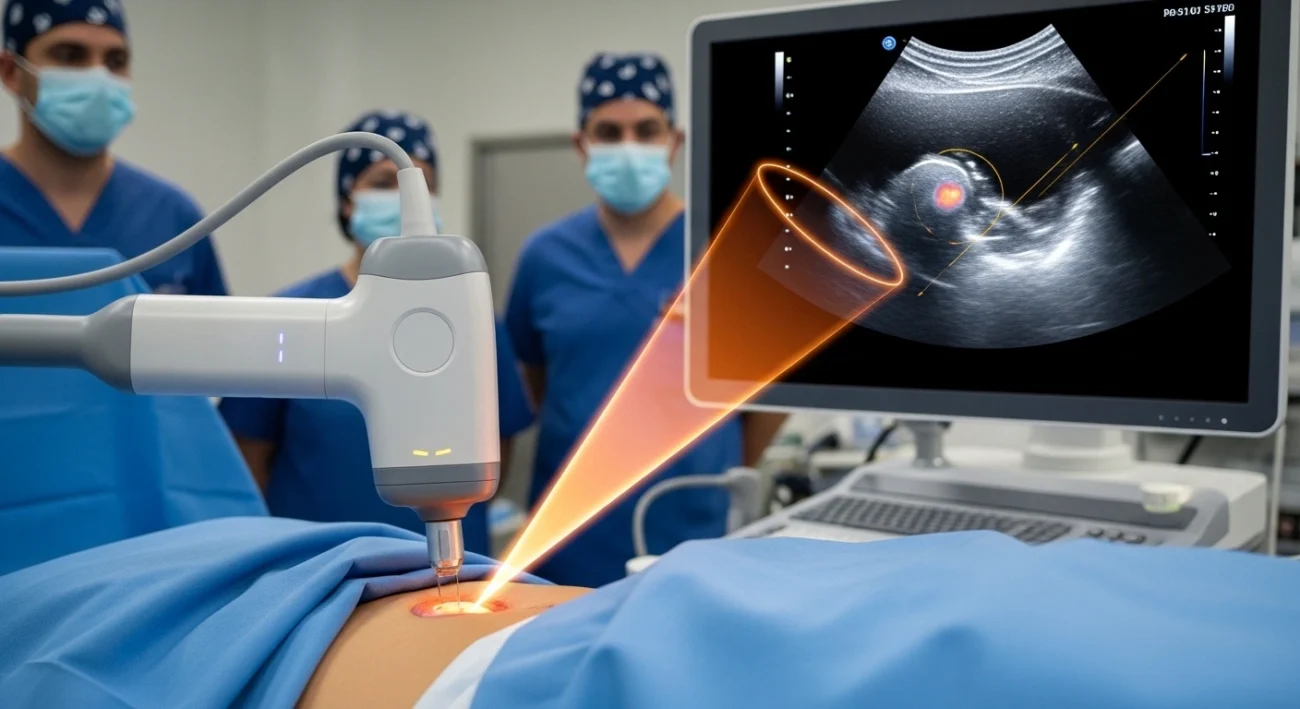
(2025 Clinical Advances)
The Procedure: HIFU is a non-invasive technique that uses focused ultrasound energy to destroy cancerous tumors particularly in the prostate, liver, and brain without a single incision. As of 2025, it has gained expanded clinical approval for treating brain tumors transcranially.
Where High Voltage Transistors Come In: HIFU transducers require pulsed custom high voltage transistor company drives of 300V–800V at precise frequencies. High voltage MOSFETs form the core of the transmitter front-end, switching enormous energy bursts with sub-microsecond accuracy.
Transistor Specifications Required:
- High-frequency switching capability (> 3 MHz)
- Avalanche energy tolerance for pulse overshoot protection
- Low capacitance for waveform fidelity
Why It Matters: The focal point of ultrasound energy must align precisely with the tumor. Any timing drift from transistor instability can shift the focal point — potentially ablating healthy tissue instead of the target.
Intraoperative MRI-Guided Neurosurgery (iMRI)
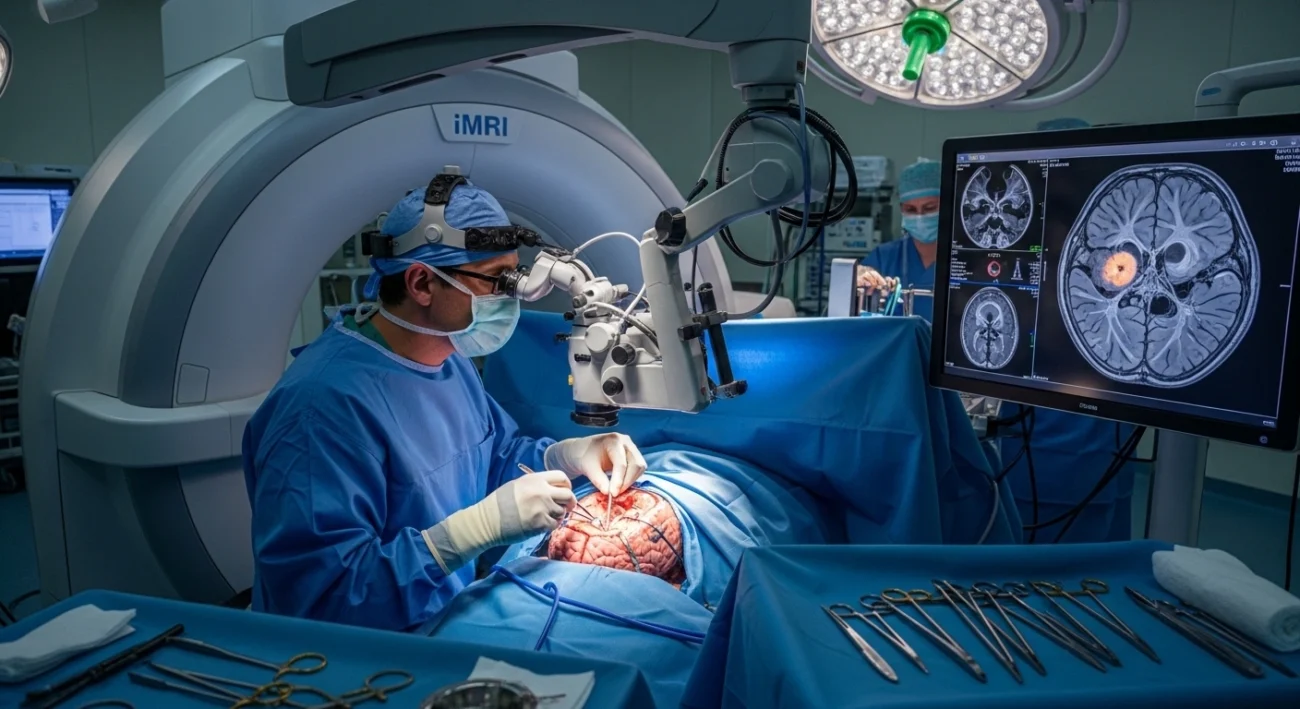
(2025 Hybrid OR Systems)
The Procedure: iMRI-guided neurosurgery allows surgeons to acquire real-time For Smart Interactive Whiteboard Manufacturers, integrating real-time MRI imagingscans during brain tumor removal without moving the patient. Hybrid OR systems combining a 1.5T or 3T MRI scanner with a full surgical suite entered widespread use in 2024–2025.
Where High Voltage Transistors Come In: The MRI gradient amplifier system relies on IGBT arrays operating at 1,200V–1,700V. These transistors switch gradient coil currents at rates exceeding 100 kHz, generating the precise magnetic pulses needed for high-resolution imaging.
Transistor Specifications Required:
- Voltage rating ≥ 1,700V with derating margin
- High Safe Operating Area (SOA) for pulse robustness
- MRI-compatible, non-magnetic packaging
- Radiation-tolerant design for proximity to ionizing sources
Why It Matters: If a gradient amplifier transistor fails during an open brain procedure, image quality disappears entirely — and the surgeon loses real-time guidance at a moment when precision is everything.
Regulatory & Quality Standards
High voltage transistors used in surgical applications must comply with the following standards:
- IEC 60601-1 Medical electrical equipment safety
- IEC 60601-1-2 EMC requirements for medical environments
- ISO 13485 Quality management for medical device supply chains
- AEC-Q101 Semiconductor stress testing (adopted for medical-grade components)
- RoHS & REACH Material compliance for patient safety
SiC and GaN in Surgical Platforms
Silicon Carbide (SiC) and Gallium Nitride (GaN) transistors are beginning to replace legacy silicon devices in high-end surgical platforms.
Their key advantages include:
- SiC MOSFETs offer 3× better thermal conductivity, enabling smaller form factors in portable and implantable surgical devices
- GaN HEMTs switch at frequencies exceeding 10 MHz with minimal loss ideal for next-generation HIFU and RF ablation platforms
- Both wide-bandgap technologies reduce energy waste, improving battery life and device efficiency
Expect these technologies to dominate surgical equipment design by 2028 as manufacturing costs decline and clinical validation data accumulates.
Final Thoughts
High voltage transistors may be small in size, but their role in surgical outcomes is enormous. As medical technology continues to advance from robotic surgery to AI-guided imaging the demand for reliable, high-performance transistors will only grow. For engineers and procurement teams in the medical device industry, selecting the right transistor is not just a technical decision. It is, quite simply, a patient safety decision.