
How Long Does Cocaine Stay in Your System: Health Facts & Testing Times

This guide will walk you through everything you need to know about cocaine detection times. We’ll break down the different types of drug tests, explain what factors can cause the drug to linger in your body, and discuss the very real health implications of cocaine use. Understanding this information is a crucial step in making informed decisions about your health and well being.
A Quick Look at Cocaine Detection Times
Before we dive into the details, here’s a straightforward table summarizing how long cocaine and its metabolites can typically be detected by different types of drug tests. This is a general guide, but remember that your personal experience could differ based on factors we’ll discuss later.
| Testing Method | Typical Detection Window | Best For |
|---|---|---|
| Urine Test | 2 to 4 days (up to 2 weeks for heavy users) | Most common screening method for workplaces and clinics |
| Blood Test | Up to 2 days (12-24 hours for the drug itself) | Detecting very recent use, often in emergency medical situations |
| Saliva Test | 1 to 3 days | Non-invasive tests for recent use, like roadside testing |
| Hair Test | Up to 90 days (or longer) | Detecting a historical pattern of use over months |
What Exactly is Cocaine?
To understand how long cocaine sticks around, it helps to know what it is. Cocaine is a powerful and highly addictive stimulant drug made from the leaves of the coca plant, which is native to South America. You might hear it called “coke,” and it typically comes in a few forms:
- Powdered Cocaine (Cocaine Hydrochloride): This is the fine white powder that is most often snorted through the nose.
- Crack Cocaine: This is a rock crystal form of the drug that is usually smoked. It gets its name from the cracking sound it makes when heated.
- Coca Paste: This is a crude extract of the coca plant that is often smoked.
No matter what you call it or how it looks, cocaine is illegal and classified as a Schedule II controlled substance in the United States, meaning it has a high potential for abuse and addiction.
How Your Body Processes Cocaine
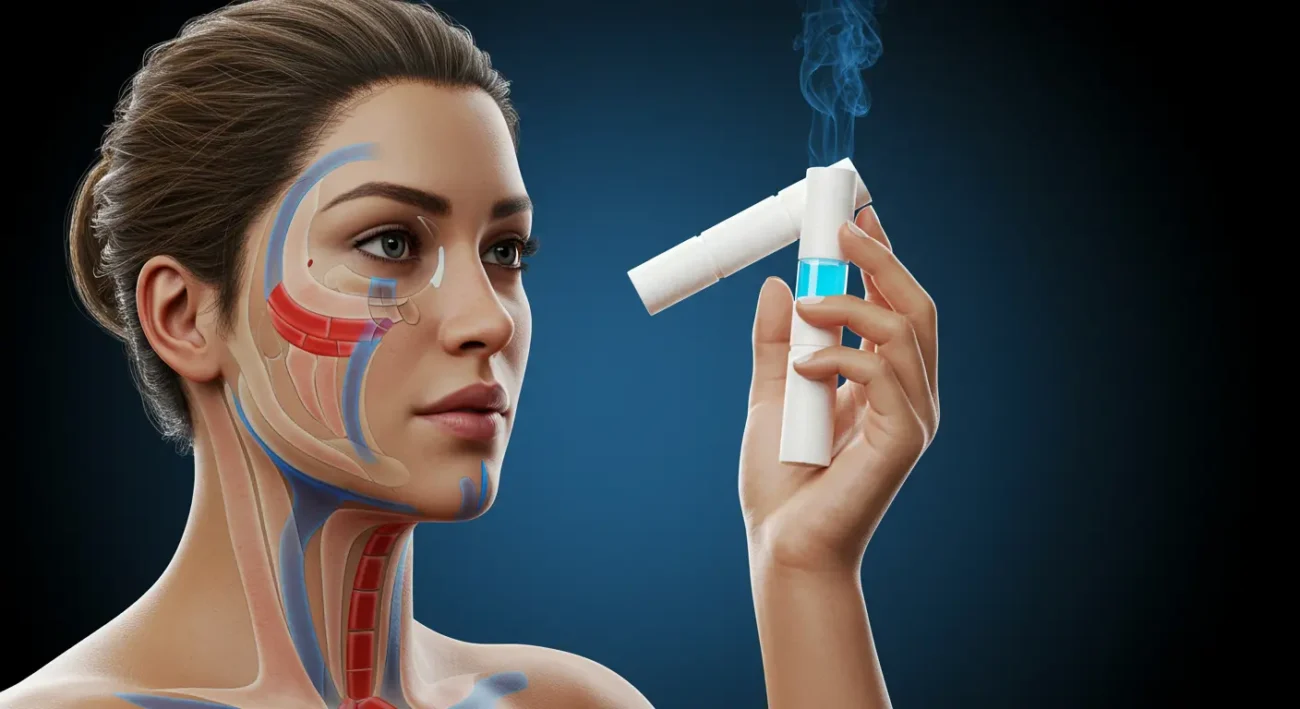
The journey of cocaine through your body is a fascinating and rapid process. You might feel the effects quickly, but your body starts working to get rid of it almost immediately.
When you use cocaine, it enters your bloodstream and travels to your liver. Your liver is your body’s main processing plant for toxins, and it uses special enzymes to break the cocaine down into other substances called metabolites. The most important metabolite is called benzoylecgonine. This is the compound that most standard drug tests are actually looking for, not the cocaine itself.
Because while cocaine itself has a very short half-life (only about 1 to 1.5 hours), benzoylecgonine sticks around for much longer with a half-life of 5 to 7.5 hours. It takes about five half-lives for a substance to be mostly eliminated from your body. This means the metabolite that drug tests target can be present for days, even after you can no longer feel any effect.
Your body then gets rid of these metabolites primarily through your urine, which is why urine testing is so effective.
Detail Cocaine Detection Window by Test Type
Let’s break down the detection timelines for each major type of drug test. This will give you a clearer picture of what to expect.
Urine Tests
Urine tests are the most frequently used method for drug screening because they are non-invasive, cost-effective, and have a reasonably long detection window.
- For an occasional user: Cocaine metabolites can typically be detected in urine for 2 to 4 days after the last use.
- For a heavy or chronic user: The detection window can extend significantly. In some cases, a urine test can be positive for up to two weeks after the person last used cocaine. This is because with frequent use, the drug and its metabolites can accumulate in your body’s fatty tissues.
Blood Tests
Blood tests are less common for routine screening because they are more invasive and have a very short detection window. They are most often used in hospital emergency rooms to determine if a person is currently under the influence.
- Cocaine can be found in the blood for a maximum of 2 days, but the drug itself is often only detectable for 12 to 24 hours. This test is best for identifying very recent consumption.
Saliva Tests
Saliva (or oral fluid) testing is growing in popularity for situations like roadside testing because it’s difficult to tamper with and easy to administer.
- A saliva swab can detect cocaine for 1 to 3 days after use. It’s most accurate for detecting use that happened within the past 24 to 36 hours.
Hair Tests
Hair follicle tests offer the longest detection window by far and are used to uncover a history of substance use.
- Once cocaine metabolites enter the hair shaft, they can be detected for up to 90 days or even longer, depending on the length of the hair sample. Because hair grows at an average rate of 1 centimeter per month, a 1.5-inch sample can reveal about 90 days of history. It’s important to know that a hair test likely won’t detect a single use of cocaine, but it is very effective at identifying repeated or chronic use.
Key Factor That Affect How Long Cocaine Stays in You
You’ve probably noticed that the detection times are ranges, not fixed numbers. That’s because everyone’s body is different. Here are the main factors that can speed up or slow down how quickly you clear cocaine from your system.
Your Metabolism and Body Composition
Your unique metabolism is a huge player. People with a faster metabolism will process and eliminate the drug more quickly. Things that affect your metabolism include:
- Age: Younger people tend to have faster metabolisms than older adults.
- Genetics: Your genetic makeup influences how efficiently your liver enzymes work.
- Body Mass and Fat Percentage: The metabolite benzoylecgonine can be stored in your body’s fatty tissue. Someone with a higher percentage of body fat may retain traces of the drug for a longer period.
Your Usage Pattern
How much you use and how often you use it are perhaps the most significant factors.
- Frequency of Use: An occasional user will clear cocaine much faster than someone who uses it daily or in binge sessions. Chronic use can overwhelm your body’s elimination systems, causing the drug to build up.
- Dosage and Purity: Simply put, the more cocaine you use, the longer it will take your body to process it. The purity of the drug also plays a role, as purer cocaine is more potent.
Method of Use
How you take cocaine affects how quickly it hits you, which can indirectly influence detection.
- Smoking or Injecting: These methods produce an almost instantaneous high (within 5-10 seconds) but the effects are very short-lived.
- Snorting: This method takes a few minutes to feel the effects, which last longer than when smoked.
- Oral Ingestion: Swallowing cocaine takes the longest to feel (10-30 minutes) and has the most prolonged duration of effect.
While the method of use influences the intensity and duration of the high, most sources agree that it does not significantly change the overall detection window for standard drug tests.
Other Important Factors
- Hydration and Diet: Staying well-hydrated and eating a nutritious diet can support your liver and kidney function, potentially helping your body eliminate toxins more efficiently. However, chugging water right before a test is not a reliable way to pass it.
- Liver and Kidney Health: Since these organs are responsible for metabolizing and excreting cocaine, any impairment to their function can significantly slow down the elimination process.
- Mixing with Alcohol: This is a critical factor. When you use cocaine and alcohol together, your liver produces a third substance called cocaethylene. This metabolite is not only more toxic to your heart but it also stays in your system longer than cocaine alone, extending the detection window and increasing your risk of overdose.
The Real Health Risks of Cocaine Use

Beyond failing a drug test, cocaine poses severe and immediate dangers to your health. It’s crucial to look beyond the short-term high and understand the real impact.
Short Term Effects and Overdose
Right after using cocaine, you might feel euphoric and energetic, but you’re also likely to experience:
- Increased heart rate and blood pressure
- Constricted blood vessels
- Hyperthermia (elevated body temperature)
- Anxiety, paranoia, and irritability
An overdose can happen even on a single occasion. Signs of a cocaine overdose include:
- Chest pain or irregular heartbeat
- Severe agitation or confusion
- Seizures
- Difficulty breathing
- Loss of consciousness
If you suspect someone is overdosing, call 911 or your local emergency number immediately.
Long Term Health Consequences
Repeated use of cocaine can wreak havoc on your body and mind, leading to:
- Cardiovascular Damage: Heart attacks, strokes, and permanent damage to heart blood vessels.
- Respiratory Issues: For those who smoke it, chronic bronchitis and lung damage.
- Neurological Effects: Seizures, headaches, and increased risk of movement disorders like Parkinson’s disease.
- Mental Health Disorders: Chronic depression, anxiety, and full-blown psychosis where you lose touch with reality.
- Physical Decay: Loss of smell, nosebleeds, and a deviated septum from snorting; severe tooth decay; and malnutrition.
Understand Cocaine Withdrawal
When someone who uses cocaine regularly stops, their body and brain need time to adjust to functioning without the drug. This process, known as withdrawal, can be physically and emotionally challenging.
Withdrawal symptoms can start within a few hours to several days after the last dose and may include:
- Early Stage (1-3 days): Intense fatigue, increased appetite, sleep disturbances, and vivid, unpleasant dreams.
- Acute Phase (1-2 weeks): Deep depression, anxiety, intense drug cravings, irritability, and difficulty concentrating.
- Extended Phase (Weeks to months): Some people may experience random cravings, lethargy, and a general lack of enjoyment in life for a longer period.
Withdrawal is a clear sign of physical dependence, but it is manageable. Seeking professional help can provide medical supervision and support to make this process safer and more comfortable.
Final Thought
Ultimately, while knowing how long cocaine stays in your system is important for practical reasons like drug testing, the most crucial takeaway is understanding its profound impact on your health. The drug’s traces may leave your body in a matter of days, but the risks to your heart, mind, and overall well-being can last a lifetime. If you’re struggling with use, remember that help is available and seeking support is a powerful step toward reclaiming your health and your future.