
Low Residue Diet: Smart Foods, Tasty Menus and Real Life Tips

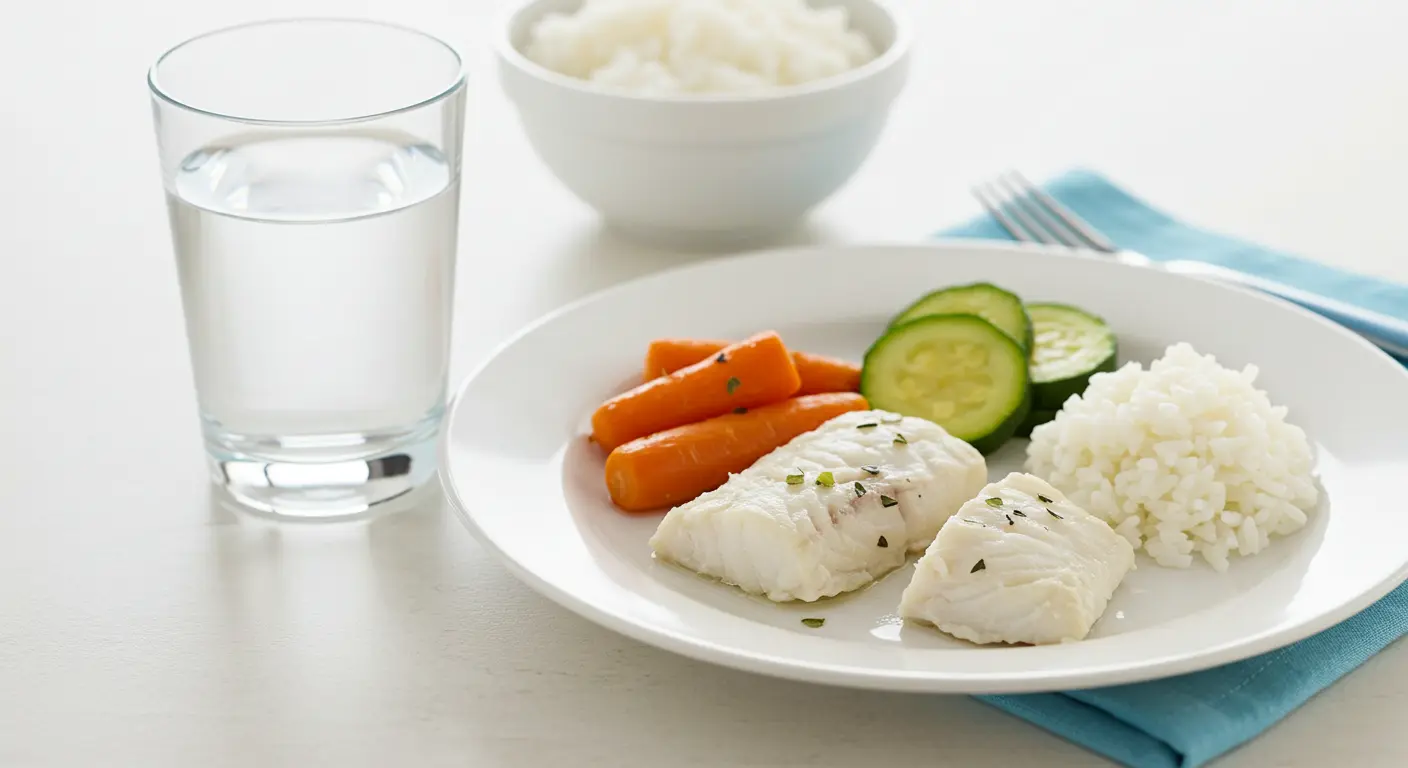
Picture this: you’re prepping for a colonoscopy (ugh), dealing with a tummy flare-up, or just desperate to avoid bloating and painful bathroom runs. Welcome to the world of the low-residue diet an often-confusing word for “eat easy on your gut, just for now.” In this post, you’ll get a friendly, non-sorry-I’m-AI take on what a low-residue diet really means, who might need it (spoiler: not everyone), and how to eat in a way that doesn’t feel like punishment.
What is a Low Residue Diet
A low-residue diet trims down the stuff your body can’t digest think fiber, seeds, skins, even some dairy. It’s not about starving yourself, but about keeping your intestines chill especially if you’re heading into an IBD flare, prepping for surgery, or getting ready for a colonoscopy. Although the American Academy of Nutrition and Dietetics pulled low-residue diets from its official manual in 2012, doctors still use them for short-term gut rest.
The idea is less undigested stuff hanging around, meaning fewer bathroom trips and a smoother digestive ride. But beware: cut out too much fiber for too long and you might face constipation or miss out on vitally important nutrients. So yes, do this only with medical OK.
Who Might Benefit
If you’ve got Crohn’s flare-ups, diverticulitis, or need bowel prep for colonoscopy, a low-residue diet makes sense temporarily. Some folks with IBS or acute gut issues might notice relief from bloating and diarrhea.
On the flip side, long-term low-residue diets may be too restrictive and lead to nutrient shortfalls fibers and plant nutrients matter for long-term health. For most of us, a high-fiber diet is the better everyday choice.
What You Can Eat
Smooth, soft, and easy to digest that’s the vibe. Think refined carbs (white bread, pasta, rice), peeled or well-cooked fruits and veggies, tender meats, eggs, tofu, and moderate dairy if you’re okay with lactose.
Here’s a little table to help you visualize the good-to-go foods versus the no go crowd.
| Enjoyable Foods (Yes, Please) | Skip These (For Now, Sorry) |
|---|---|
| White bread, refined pasta, white rice | Whole grains, bran, brown rice |
| Eggs, tofu, tender meats, fish | Tough meats, gristle, fried or spicy meats |
| Ripe banana, applesauce, canned fruit | Raw fruits with skin, berries, dried fruit |
| Peeled & cooked carrots, green beans | Raw broccoli, cabbage, corn, seeds, nuts |
| Smooth sauces, butter, creamy dressings | Sauces with seeds or nuts, chunky salsas |
| Lactose-free or small dairy (if okay) | Large servings of cheese or full dairy |
| Clear broths, pulp-free juice | Juices/juices with pulp, prune juice |
Sample Day on Tasty Foods
Start with white toast topped with a gentle spread of mashed ripe banana or smooth peanut butter if you’re okay with it. Add a soft-boiled egg and a glass of pulp-free orange juice.
For lunch, go for poached chicken or tender turkey and mash it with plain gravy over white rice. On the side, have stewed carrots and maybe half a cup of strain-free broth.
Dinner could be baked fish with tiny dollop of butter served with mashed potatoes (no skin, olive oil if you’re skipping dairy), plus sautéed peeled zucchini or squash.
Snack? Keep it simple: soft vanilla yogurt or maybe a piece of angel food cake if you’re craving something sweet.
FAQs
Is low-residue the same as low-fiber?
Not quite. They overlap, but low-residue also steers clear of foods that leave residue even though they aren’t high in fiber like some dairy and tough meats.
How much fiber per day is okay?
Usually under 10 15 grams a day way less than the typical 25–30 grams, so yeah it’s a big cut.
Can you follow this forever?
Not recommended. Use it short-term unless advised by a doctor. Long-term, you risk missing essential vitamins, minerals, and gut-friendly fiber.
What cooking styles help?
Steaming, simmering, poaching, pureeing or braising ways that keep food soft and friendly for sensitive guts.
Do I need supplements?
Maybe especially if you’re cutting out lots of fruit and veggies. Talk to your healthcare provider or a dietitian for tailored advice.
Wrapping It Up
Your gut is like a trusted friend going through a tough time it needs rest, care, and soft words (and soft foods). The low-residue diet isn’t a forever thing; it’s your gut’s “easy playlist” when things get rough or before a colonoscopy. After that, you bump back to whole grains, vibrant fruits & veggies, and all the fiber you’ve been missing. Just remember, this is not a trendy long-term fix. But used wisely, it’s a gentle, effective tool to ease discomfort, prep for procedures, or help your digestive system whisper: “okay, I’m good now.” Take care of your gut and the rest of you, follow soon afterward.