
Omepral 20 mg: Uses, Dosage, Side Effects & More

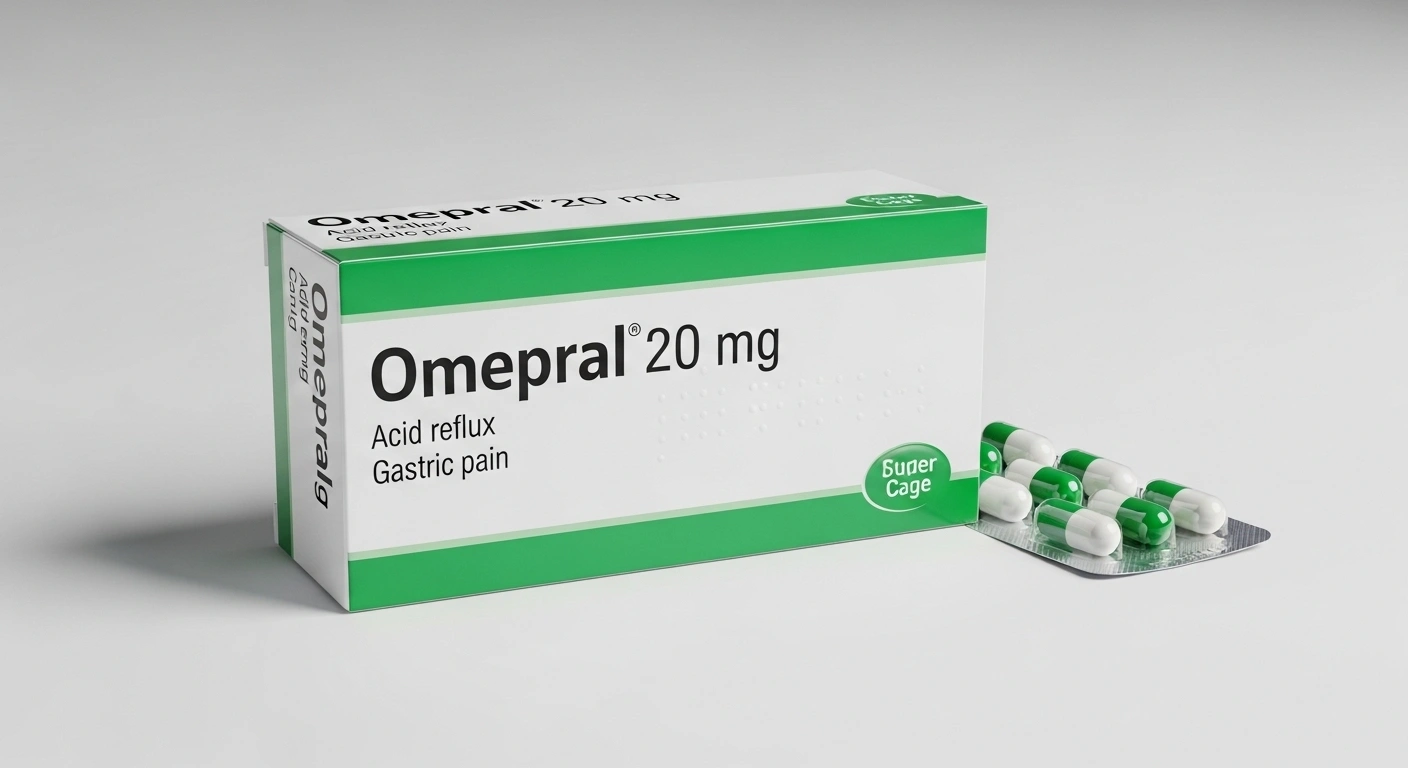
Omepral 20 mg is one of the most commonly prescribed medications for acid-related stomach problems. Whether you suffer from heartburn, acid reflux, or ulcers, this guide covers everything you need to know including tips most sources leave out.
What Is Omepral 20 mg?
Omepral 20 mg contains the active ingredient omeprazole, a proton pump inhibitor (PPI). It works by blocking the acid-producing pumps in your stomach lining, reducing acid production by up to 90%. Omepral is a brand name, and the 20 mg strength is the most commonly prescribed dose for adults.
How Does Omepral 20 mg Work?
Once you swallow the capsule, it gets absorbed in your small intestine and travels to the acid-producing cells in your stomach. There, it permanently blocks the proton pump enzyme responsible for releasing acid. Because the block is irreversible, your body needs to produce new pumps before acid levels return to normal — which takes about 24 to 72 hours.
Uses of Omepral 20 mg
Doctors prescribe Omepral 20 mg for several acid-related conditions:
- GERD (Acid Reflux) — relieves heartburn and regurgitation
- Stomach & Duodenal Ulcers — promotes healing of damaged stomach lining
- H. pylori Infection — used with antibiotics to eliminate the bacteria
- Erosive Esophagitis — heals acid damage in the food pipe
- Zollinger-Ellison Syndrome — controls excessive acid in rare conditions
- NSAID-Induced Ulcers — prevents ulcers caused by painkillers like ibuprofen
- Stress Ulcer Prevention — used in critically ill hospital patients
- Functional Dyspepsia — helps with chronic indigestion
Dosage Guide
The right dose depends on your condition. Here’s a quick reference:
- GERD: 20 mg once daily for 4–8 weeks
- Duodenal Ulcer: 20 mg once daily for 4 weeks
- Gastric Ulcer: 20 mg once daily for 4–8 weeks
- H. pylori Treatment: 20 mg twice daily with antibiotics for 7–14 days
- Zollinger-Ellison Syndrome: 60 mg once daily (may be increased)
- NSAID Ulcer Prevention: 20 mg once daily for up to 6 months
- Erosive Esophagitis: 20 mg once daily for 4–8 weeks
How to Take It Correctly
Take Omepral 30 minutes before a meal, preferably breakfast. Swallow the capsule whole don’t crush, chew, or open it. If swallowing is difficult, you can mix the capsule contents with applesauce and swallow immediately without chewing. Try to take it at the same time daily for the best results.
Side Effects
Most people tolerate Omepral well, but some side effects can occur.
Common (Mild):
- Headache
- Nausea or stomach pain
- Diarrhea or constipation
- Gas and bloating
- Dizziness
Uncommon:
- Dry mouth
- Skin rash or itching
- Joint or muscle pain
Serious (Get Medical Help Immediately):
- Severe allergic reaction (swelling of face, lips, or tongue, difficulty breathing)
- Bloody or watery diarrhea (possible C. difficile infection)
- Signs of kidney problems (changes in urine, swelling)
- Yellowing of skin or eyes (liver issues)
- Severe skin reactions like blistering or peeling
Long-Term Risks
Using Omepral for more than 8 weeks without medical supervision may increase certain health risks:
- Magnesium Deficiency — can cause muscle cramps, tremors, and irregular heartbeat
- Vitamin B12 Deficiency — may lead to fatigue, numbness, and nerve damage
- Bone Fractures — long-term use is linked to higher risk of hip, wrist, and spine fractures
- Kidney Disease — chronic use has been associated with kidney problems
- Stomach Polyps — harmless growths that usually reverse after stopping
- Rebound Acid — suddenly stopping can temporarily worsen acid symptoms
Drug Interactions
Omepral can affect how other medications work. Key interactions include:
- Clopidogrel (Plavix) — may reduce its blood-thinning effect
- Methotrexate — may increase toxicity levels
- Warfarin — may raise bleeding risk
- HIV Drugs (Atazanavir, Nelfinavir) — Omepral can reduce their absorption significantly
- Diazepam & Phenytoin — may slow their breakdown in the body
- Iron & Calcium Supplements — absorption may decrease due to lower stomach acid
- St. John’s Wort & Rifampin — can reduce Omepral’s effectiveness
Always tell your doctor about every medication, supplement, or herbal product you take.
Who Should Avoid Omepral 20 mg?
You should not take Omepral if you are allergic to omeprazole or any other PPI such as lansoprazole, pantoprazole, or esomeprazole. It should also be avoided by patients taking rilpivirine-containing HIV medications. People with severe liver problems may need a dose adjustment, so always consult your doctor first.
Pregnancy & Breastfeeding
Omepral is classified as FDA Category C during pregnancy, meaning it should only be used when the benefits clearly outweigh the risks. It does pass into breast milk in small amounts. While it is generally considered low-risk during breastfeeding, you should always consult your doctor before using it.
How to Safely Stop Omepral (Avoid Rebound Acid)
Most competitor articles miss this important step. Stopping Omepral suddenly after long-term use can trigger rebound acid hypersecretion, making your symptoms worse than before. Here’s a safe tapering plan:
- Week 1–2: Take Omepral 20 mg every other day instead of daily
- Week 3–4: Reduce to every third day, using an antacid on off-days if needed
- Week 5–6: Stop Omepral completely and use antacids or H2 blockers (like famotidine) only when needed
- Week 7+: Rebound symptoms usually fade within 2–4 weeks
During tapering, avoid trigger foods, eat smaller meals, don’t lie down after eating, and elevate the head of your bed. Always taper under your doctor’s guidance.
Natural Ways to Reduce Acid Without Omepral
Another section most guides skip. These evidence-based strategies can help reduce your need for long-term PPI use with your doctor’s approval.
| Category | Remedy / Change | How It Helps |
|---|---|---|
| Dietary Tips | Bananas, oatmeal, melons, green vegetables | Naturally alkaline foods that neutralize stomach acid |
| Fresh ginger in tea or meals | Has anti-inflammatory and gastroprotective properties | |
| Avoid coffee, chocolate, citrus, alcohol, fried food, mint | These are common acid triggers that worsen reflux | |
| Lifestyle Changes | Lose excess weight | Reduces pressure on the stomach and lower esophageal sphincter |
| Quit smoking | Smoking weakens the valve that keeps acid in the stomach | |
| Sleep on your left side | Proven to reduce nighttime acid reflux episodes | |
| Wear loose clothing around the waist | Tight clothes increase abdominal pressure and push acid upward | |
| Eat slowly and chew food thoroughly | Improves digestion and reduces acid overproduction | |
| Supplements | DGL (Deglycyrrhizinated Licorice) | May protect and soothe the stomach lining |
| Probiotics | Support gut health and may prevent H. pylori return | |
| Zinc-L-Carnosine | Research suggests it promotes stomach lining healing | |
| Melatonin | May strengthen the valve that blocks acid from rising |
FAQs
Can I take Omepral on an empty stomach?
Yes. It actually works best when taken on an empty stomach, 30 minutes before eating.
How long does it take to work?
You may notice relief within 1–2 days, but full healing of ulcers or GERD usually takes 1–4 weeks.
Can I take it at night?
Morning is preferred, but taking it 30 minutes before dinner is fine, especially for nighttime symptoms.
What if I miss a dose?
Take it as soon as you remember. If your next dose is near, skip the missed one. Never take a double dose.
Is Omepral the same as Omeprazole?
Yes. Omepral is the brand name, and omeprazole is the generic name. Both contain the same active ingredient.
Is it available over the counter?
In many countries, yes. OTC use is generally limited to 14 days at a time, up to 3 courses per year.
Final Thoughts
Omepral 20 mg is a trusted and effective solution for managing acid reflux, ulcers, and other stomach acid problems when used correctly. However, it works best as a short-to-medium-term treatment rather than a lifelong habit. Understanding the proper dosage, possible side effects, safe ways to stop, and natural alternatives puts you in control of your health. Always work with your doctor to find the right plan for you.