
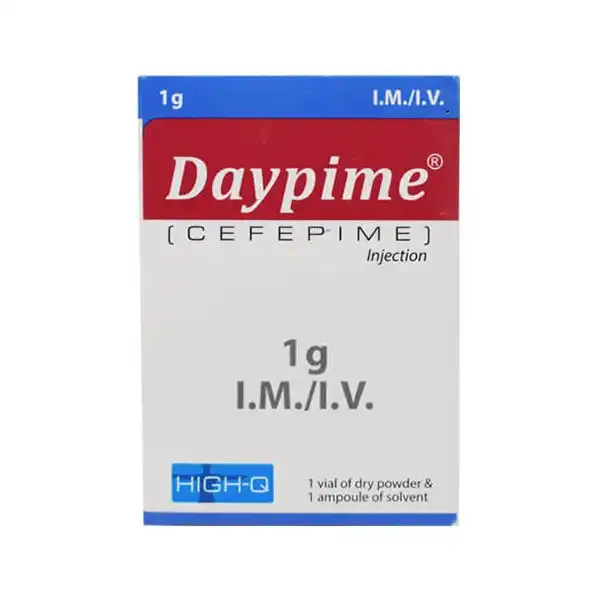

Daypime is a go-to injection in Pakistani hospitals, from busy ERs in Karachi to clinics in Lahore, when a serious bacterial infection needs tackling fast. It’s cefepime, a broad-spectrum antibiotic that hits hard against tough bugs. This profile covers the basics—how it works, what it’s for, side effects, and doctor insights—drawn from local standards like those from the Pakistan Medical and Dental Council (PMDC). It’s clear info to understand it, not a reason to seek it out without a doctor’s order.
Basic Product Details
- Form and Strength: 1 g vial for injection (intravenous or intramuscular).
- Packaging: Single vial per pack, often with sterile water for reconstitution; sometimes bundled in boxes of 10.
- Pricing: Around PKR 200-300 per 1 g vial, depending on the pharmacy or brand—check Dawaai.pk or Servaid for current stock.
- Brands in Pakistan: Daypime from local labs, or equivalents like Maxum, Cefstar, or PMDC-approved generics.
Ingredients
- Active Ingredient: Cefepime (as hydrochloride, 1 g per vial).
- Excipients: Includes L-arginine for stability; reconstituted with sterile water (check label for details).
Drug Class
Fourth-Generation Cephalosporin Antibiotic.
How It Functions
Cefepime kills bacteria by messing with their cell wall synthesis, binding to penicillin-binding proteins (PBPs) inside the cells. It’s got a wide reach against Gram-positive and Gram-negative bugs, slips easily into cells, and shrugs off most beta-lactamases (enzymes that break down antibiotics). In Pakistan’s wards, it’s handy for hospital bugs where resistance is a worry.
Common Applications
From local clinical guidelines, it’s linked to infections from susceptible bacteria, like:
- Lower respiratory tract issues, including hospital or community pneumonia, or flare-ups of chronic bronchitis.
- Urinary tract infections (simple or complex, like pyelonephritis).
- Skin and soft tissue infections.
- Intra-abdominal problems, such as peritonitis or biliary infections.
- Gynecological infections.
- Bacterial meningitis in kids and infants.
It’s also used for empiric therapy in fever with low white cells or sepsis.
Dosage Form
Powder for injection (IV or IM after mixing with sterile water).
Potential Side Effects
Most clear it fine, but common ones from local reports include:
- Diarrhea or stomach upset.
- Rashes or itching.
- Pain, redness, or inflammation at the injection site.
- Vein irritation (phlebitis) from IV.
- Raised eosinophil count (a type of white blood cell).
- Anemia or longer blood clotting time.
Rare but serious: Allergic reactions like hives or breathing trouble—get help fast.
Key Warnings and Precautions
PMDC-aligned notes stress:
- Allergies: Cross-reactivity with penicillins or other beta-lactams in up to 10% of cases—screen history carefully.
- Kidney Issues: Adjust doses if function’s off; monitor levels to avoid buildup.
- Pregnancy: Category B—use if benefits outweigh risks; consult your doctor.
- Prolonged Use: Watch for superinfections (e.g., C. difficile diarrhea) or resistant bugs.
- Not for Viruses: Won’t touch colds or flu—only bacteria.
- Elderly/Kids: Dose by weight or function; extra caution in the old or young.
Regular blood tests for kidney/liver and white cells are key during treatment.
When It’s Not Suitable (Contraindications)
Skip if you have:
- Allergy to cefepime, cephalosporins, or beta-lactams (penicillins, etc.).
- History of severe reactions to similar antibiotics.
Drug Interactions
Watch for:
- Aminoglycosides (e.g., gentamicin)—may boost kidney risks; space them out.
- Loop diuretics like furosemide—could harm kidneys more.
- Probenecid—slows cefepime clearance.
In Case of Overdose
Signs like seizures, confusion, or encephalopathy need ER right away—dialysis helps clear it, plus supportive care like fluids.
Missed Dose
Since it’s usually hospital-given every 8-12 hours, stick to the schedule. If outpatient, take ASAP unless near next—don’t double.
Storage and Disposal
Keep the vial at room temperature (15-30°C), away from light and heat. Once mixed, use within 24 hours at room temp or 7 days chilled. Dispose of used vials in sharps bins via pharmacy—don’t flush.
Quick Tips
- Only on prescription—requires a doctor’s script.
- Finish the full course to dodge resistance.
- Hydrate well to ease kidney load.
- Report any rash or gut changes pronto.
Doctor Review
Infectious disease specialists in Pakistan, from Aga Khan in Karachi to Mayo in Lahore, see Daypime as a strong pick for tough infections like pneumonia or UTIs in hospitals, where it covers resistant strains well, but they push allergy checks and short courses to curb superbugs and side effects like diarrhea.
Laboratory Screening
To track progress and safety:
- Blood Tests: CBC for anemia/eosinophilia, kidney/liver function, clotting times.
- Cultures: Stool for C. diff if diarrhea hits.
- Neuro Checks: For confusion in kidney patients.
This profile maps Daypime’s role in Pakistan’s fight against infections—a solid reference for context, not a green light without professional input.
Disclaimer: This is product information only, not a prescription or diagnosis. Consult a qualified Pakistani doctor before using Daypime to ensure it’s safe. Seek immediate care for severe symptoms like rash, breathing issues, or confusion.


Reviews
There are no reviews yet.