


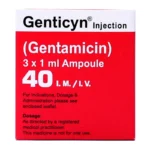
Description
Gentamicin Injection, an aminoglycoside antibiotic, is used in Pakistan to treat severe bacterial infections caused by gram-negative and some gram-positive bacteria. It’s commonly administered in hospitals for conditions like meningitis, septicemia, or bone infections, particularly in high-risk settings like burn units or ICUs in cities like Lahore and Karachi. Available in vials (e.g., 80mg/2ml), it’s prescription-only, priced around Rs. 30-100 per vial depending on brand and pharmacy, regulated by DRAP.
Product Specifications
- Name: Gentamicin Injection
- Generic: Gentamicin
- Requires Prescription: Yes
- Packaging: Vials (e.g., 80mg/2ml, other strengths available)
- Price: Approximately Rs. 30-100 per vial (varies by pharmacy; DRAP sets max retail prices)
- Storage: Keep between 20-25°C, away from light, moisture, and freezing; discard if discolored or expired
How It Functions
Gentamicin binds to the 30S subunit of bacterial ribosomes, disrupting protein synthesis by causing misreading of genetic code, leading to faulty proteins and bacterial cell death. Chemically, it’s a mixture of gentamicin C1, C1a, and C2, derived from Micromonospora. Effective against aerobic gram-negative bacteria (e.g., Pseudomonas aeruginosa, E. coli) and some gram-positive strains (e.g., Staphylococcus), it acts fast, with peak levels in 30-60 minutes post-injection, lasting 8-12 hours.
Dosage Information
Administered via IV or IM by healthcare professionals:
- Adults: 3-5 mg/kg/day in 2-3 divided doses (e.g., 1-2 mg/kg every 8 hours), adjusted for kidney function.
- Children: 2-2.5 mg/kg every 8 hours, or 5-7.5 mg/kg once daily.
- Neonates: 2.5 mg/kg every 12-24 hours, based on weight and kidney maturity.
- IV: Infuse over 30-60 minutes; dilute in 50-200 ml NS or D5W. IM: Inject into large muscle. Monitor blood levels to avoid toxicity; max 5 mg/kg/day unless critical.
Side Effects
- Very Common (>1 in 10): Injection site pain/redness, nausea, vomiting.
- Common (up to 1 in 10): Hearing loss, dizziness, ringing in ears (ototoxicity), kidney damage (reduced urine, swelling), low blood pressure.
- Rare: Nerve damage (numbness, tingling), muscle weakness, confusion, fast/irregular heartbeat, allergic reactions (rash, itching).
Drug Interactions
Gentamicin may interact with:
- Nephrotoxic drugs (e.g., cisplatin, furosemide): Increases kidney damage risk.
- Ototoxic drugs (e.g., loop diuretics, vancomycin): Heightens hearing loss risk.
- Neuromuscular blockers (e.g., tubocurarine): Enhances muscle weakness, risking respiratory distress.
- Anticonvulsants (e.g., phenytoin): May lower gentamicin levels.
- Other aminoglycosides (e.g., amikacin): Additive toxicity risk.
Indications
Approved for treating:
- Bacterial meningitis (e.g., Neisseria meningitidis).
- Septicemia (e.g., Staphylococcus, Streptococcus pyogenes).
- Bone/joint infections (e.g., osteomyelitis).
- Pneumonia (e.g., Pseudomonas aeruginosa).
- Urinary tract infections (e.g., E. coli).
- Severe burn/wound infections.
- Eye infections (per specialist guidance).
- Infections in low white blood cell count patients.
When Not to Use
Avoid in:
- Hypersensitivity to gentamicin or aminoglycosides.
- Severe kidney disease without dose adjustment.
- Pre-existing hearing loss or balance disorders.
- Myasthenia gravis, Parkinson’s disease, or neuromuscular disorders.
- Newborns/premature infants without specialist oversight.
- History of respiratory muscle paralysis.
Precautions
- Monitor kidney function (creatinine) and hearing regularly, especially in elderly or dehydrated patients common in Pakistan’s hot climate.
- Use cautiously in pregnancy/breastfeeding; crosses placenta and milk, risking fetal/infant harm.
- Avoid in patients with asthma or sulfite sensitivity (some formulations).
- Ensure hydration to reduce kidney strain, critical during Ramzan fasting.
- Buy from DRAP-registered pharmacies; check holograms to avoid counterfeits.
- Clean injection site with antiseptic; use sharps containers for disposal.
Warnings
- Kidney toxicity: High risk in renal impairment; monitor urine output and creatinine.
- Ototoxicity: Stop if hearing loss or tinnitus develops; irreversible damage possible.
- Neuromuscular issues: May worsen muscle weakness in myasthenia gravis or Parkinson’s.
- Overdose: Symptoms like dizziness or hearing changes need urgent care; hemodialysis may be required.
- Drug resistance: Use only for confirmed bacterial infections to prevent resistance.
Additional Notes
- Pregnancy Category: Consult physician; category D due to fetal ototoxicity risk.
- Breastfeeding: Small amounts in milk; monitor infant for diarrhea or thrush.
- Availability: Common in hospitals and pharmacies; generics like Genticyn available.
- Stability: Reconstituted solution stable for 24 hours at room temperature, 48 hours refrigerated.
- Reporting: Log batch for side effects; report to DRAP for quality control.
Doctor Review
Dr. Waqar Younus, an infectious disease specialist in Karachi, notes gentamicin’s effectiveness against resistant gram-negative infections in critical cases, like septicemia in busy hospitals. DRAP data highlights its role in burns or surgical infections, but Dr. Younus stresses frequent kidney and hearing tests, especially in elderly patients with diabetes or dehydration.
Disclaimer
This is general product information, not a prescription or medical advice. Consult your doctor or pharmacist for personal guidance.


Reviews
There are no reviews yet.