

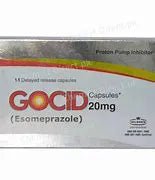


This is a proton pump inhibitor (PPI) that blocks acid production in the stomach. It works by shutting down the proton pumps in stomach lining cells, stopping the exchange of potassium and hydrogen ions. This reduces acid production at its final stage, helping control stomach acidity and related conditions.
Formula
Each capsule contains Esomeprazole 40mg.
What It’s Used For
Pakistani doctors use this for conditions involving excess stomach acid:
- Gastroesophageal reflux disease (GERD).
- Acid reflux and heartburn.
- Stomach and duodenal ulcers (healing and prevention).
- H. pylori infection (combined with antibiotics).
- Erosive esophagitis.
- Zollinger-Ellison syndrome.
- Various acid-related disorders.
Typical Dosing Range
Adults:
- Gastric ulcer: 20-40mg once daily for up to 6 months
- H. pylori with duodenal ulcers: 40mg once daily for 10 days (with antibiotics)
- Erosive esophagitis: 20-40mg once daily for 4-8 weeks
- GERD: 20mg once daily for 4 weeks
- Zollinger-Ellison syndrome: 40mg twice daily
- Heartburn: 20mg once daily for 14 days
Children: Doses range from 2.5mg to 40mg daily based on age and weight. Your pediatrician will determine the appropriate dose.
Your doctor determines the actual dose based on your specific condition.
How to Use
- Swallow the capsule whole with a full glass of water. Don’t break, crush, or chew it.
- Take in the morning before eating for best results.
- Take at the same time each day.
- If you miss a dose, take it when you remember. If your next dose is close, skip the missed one. Don’t double up.
- Complete the full course as prescribed.
Who Shouldn’t Use It
- People allergic to Esomeprazole or other proton pump inhibitors.
- Severe liver disease patients.
- Those with very low magnesium levels.
- People taking rilpivirine (HIV medication).
- History of severe reactions to similar medications.
Long-term use requires medical supervision.
Precautions
- Tell your doctor if you have liver problems, low magnesium, or osteoporosis risk.
- Long-term use may cause Vitamin B12 deficiency and increase bone fracture risk.
- Elderly patients may need dose adjustments.
- Inform your doctor about all medications you’re taking.
- If symptoms persist or worsen, consult your doctor immediately.
Possible Side Effects
Common:
- Headache.
- Diarrhea.
- Nausea and vomiting.
- Abdominal pain.
- Dizziness.
- Tiredness and weakness.
- Skin rash or itching.
- Increased liver enzymes.
Drug Interactions
Can interact with:
- Clopidogrel (may reduce effectiveness).
- Ketoconazole and Erlotinib (reduced absorption).
- Diazepam and Warfarin (increased blood levels).
- Rifampicin (reduces Esomeprazole effectiveness).
- Digoxin (may slightly increase levels).
Tell your doctor about all medications you’re currently taking.
Food Considerations
- Avoid: Grapefruit juice (interferes with metabolism), excessive alcohol, too much caffeine.
- High-fat meals may delay absorption but don’t significantly reduce effectiveness.
- Spicy and acidic foods can irritate the stomach.
- Balanced diet recommended for overall health.
- Long-term users may need dietary adjustments for magnesium levels.
Storage
- Store at room temperature in a cool, dry place.
- Keep in original container, tightly sealed.
- Protect from direct sunlight and moisture.
- Keep away from heat sources.
- Check expiration dates regularly.
- Keep out of reach of children.
- Don’t dispose in household waste or water systems—consult your pharmacist for proper disposal.
Overdose Signs
Dizziness, blurred vision, rapid heartbeat, nausea, gastrointestinal distress. Seek immediate medical help.
Tests That May Be Needed
- Stomach ultrasound for stomach health.
- H. Pylori test for ulcers.
- Vitamin B12 test (for long-term users).
Disclaimer: This information is for educational purposes only and is not a medical prescription. Always follow your doctor’s instructions regarding dosage, duration, and monitoring during treatment.


Reviews
There are no reviews yet.