

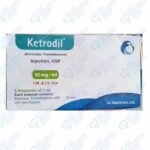
Description
Ketorolac tromethamine is a non-steroidal anti-inflammatory medicine (NSAID) used in eye care. It works by blocking cyclooxygenase (COX-1 and COX-2) enzymes, which are responsible for producing prostaglandins — the chemicals that cause pain, swelling, and itching. By reducing prostaglandins, these drops help relieve eye pain, redness, and irritation. They are commonly used after eye surgery and in allergic eye conditions.
Uses
Ketorolac Tromethamine Eye Drops may be prescribed for:
-
Relief of eye itching and redness caused by seasonal allergies.
-
Reducing pain and inflammation after eye surgery.
-
Managing eye swelling and irritation.
-
Controlling discomfort due to minor eye injuries or irritants.
-
Treating inflammation in conditions such as uveitis.
-
Supporting relief from eye strain or irritation related to contact lens wear.
Always use only as directed by your doctor.
How to Use
-
Wash your hands before applying.
-
Tilt your head back and gently pull down the lower eyelid to make a small pocket.
-
Hold the dropper close (without touching the eye) and instill the prescribed number of drops.
-
Close your eye gently and press the inner corner for 1–2 minutes.
-
Replace the cap after use and avoid touching the dropper tip.
Missed Dose
-
Apply the missed dose as soon as you remember.
-
If it’s close to your next dose, skip it — do not double dose.
-
If you miss several doses, consult your doctor for advice.
Overdose
Overuse or accidental ingestion may cause serious side effects such as dizziness, confusion, or stomach bleeding. Seek immediate medical help if overdose is suspected.
When Not to Use
Do not use Ketorolac Tromethamine Eye Drops if you:
-
Are allergic to ketorolac, aspirin, or other NSAIDs.
-
Have a history of stomach ulcers, GI bleeding, or severe kidney/liver disease.
-
Recently had heart bypass surgery (CABG).
-
Have uncontrolled high blood pressure or bleeding disorders.
-
Are in the third trimester of pregnancy.
-
Are younger than 16 years.
Side Effects
Some users may experience:
-
Mild burning or stinging in the eye
-
Temporary redness or blurred vision
-
Eye itching or swelling
-
Headache or dizziness
-
Sensitivity to light
-
Nausea
Seek medical attention if you notice severe pain, vision changes, or allergic reactions.
Precautions & Warnings
-
Not intended for long-term use.
-
Use with caution if you have glaucoma, corneal ulcers, or bleeding disorders.
-
Regular monitoring may be needed if you have other health conditions.
-
Stop use and contact your doctor if severe irritation or allergic reaction occurs.
Drug Interactions
-
Increased bleeding risk when combined with aspirin, NSAIDs, corticosteroids, or anticoagulants (warfarin, heparin).
-
May raise lithium levels, causing toxicity.
-
May reduce the effect of blood pressure medicines like beta-blockers, ACE inhibitors, or ARBs.
-
Probenecid can increase ketorolac levels, raising toxicity risk.
Food Interactions
-
Avoid alcohol — it increases risk of stomach bleeding.
-
Limit grapefruit juice as it may interfere with metabolism.
-
Reduce salty foods if you have high blood pressure.
-
Limit spicy foods to prevent stomach irritation.
-
Be mindful of vitamin K-rich foods if you are on blood thinners.
Storage & Disposal
-
Store in a cool, dry place at room temperature.
-
Keep away from sunlight, moisture, and heat.
-
Do not freeze.
-
Keep tightly closed and out of children’s reach.
-
Do not flush unused medicine — ask a pharmacist for safe disposal.
Quick Tips
-
Use drops exactly as prescribed.
-
Wash hands before and after use.
-
Don’t touch the dropper tip to any surface.
-
Close your eye gently after instilling drops.
-
Use at regular times for best results.
Control Drug: No
Disclaimer:
This information is for educational purposes only. It is not a substitute for professional medical advice, diagnosis, or treatment. Always consult a qualified doctor or pharmacist before using

Reviews
There are no reviews yet.