
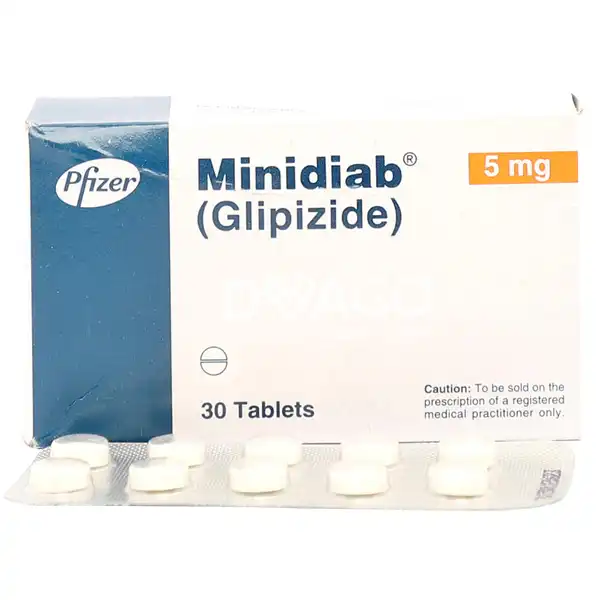


Minidiab tablets contain 5 mg of glipizide, a sulfonylurea that lowers blood sugar by prompting the pancreas’s beta cells to release insulin, especially after meals. This helps manage type 2 diabetes when diet changes alone aren’t enough, with effects starting within 30 minutes and focusing on post-meal glucose spikes without raising fasting insulin much. It also boosts insulin’s action elsewhere in the body, aiding overall glucose control during long-term use.
Expert Review
Dr. Muhammad Zaman Khan, a notable Pakistani endocrinologist at Pakistan Institute of Medical Sciences, Islamabad, describes glipizide’s primary action in stimulating insulin from pancreatic cells and enhancing its effects beyond the pancreas. He points out its usefulness for type 2 diabetes control but notes the need for close monitoring to avoid low blood sugar, particularly in older patients or those with liver or kidney problems.
Primary Uses
- Lowers blood sugar in type 2 diabetes when diet isn’t sufficient.
Indications
Prescribed for type 2 (non-insulin-dependent) diabetes to reduce blood glucose levels, enhancing insulin response after meals and supporting overall glucose management.
Side Effects
Some may experience low blood sugar (hypoglycaemia), nausea, diarrhea, stomach pain, drowsiness, shakiness, blurred vision, vomiting, yellowing of skin/eyes (jaundice), itching, dark urine, or skin inflammation (eczema). Contact your doctor if severe or ongoing.
Warnings
- Pregnancy: Consult your doctor before use, as safety data is limited.
- Lactation: Check with your doctor; effects on breastfeeding are unclear.
- G6PD Deficiency: Use cautiously, as it may cause hemolytic anemia—consider alternatives.
- Stress Situations: Illness, injury, or surgery may disrupt control; insulin may be needed temporarily.
- Patient Education: Inform about diet, exercise, and regular blood sugar testing to manage risks.
Precautions
- Higher risk of low blood sugar in elderly, malnourished, or those with kidney, liver, adrenal, or pituitary issues.
- Adjust dose carefully if you have reduced gluconeogenesis capacity.
- Monitor blood sugar closely during treatment.
Contraindications
Avoid if:
- Allergic to glipizide or other sulfonylureas.
- You have type 1 (insulin-dependent) diabetes.
- Experiencing ketoacidosis (ketones and sugar in urine) or diabetic coma.
How to Use
Take orally with meals to reduce stomach upset, as prescribed—usually starting low and adjusting based on blood sugar response. Swallow whole with water; don’t crush or chew. Follow diet and exercise plans alongside.
Drug Interactions
- May increase low blood sugar risk with miconazole, fluconazole, NSAIDs, aspirin, beta-blockers, ACE inhibitors, cimetidine, sulfonamides, quinolones, MAO inhibitors, probenecid, coumarins, fibrates.
- May reduce effectiveness with danazol, chlorpromazine, corticosteroids, sympathomimetics, hormones, diuretics, thyroid products, phenytoin, nicotinic acid, calcium channel blockers, isoniazid.
Storage
Store at room temperature, away from light and heat. Keep out of children’s reach.
Quick Tips
- Take with food to avoid stomach issues.
- Check blood sugar regularly, especially during dose changes.
- Carry quick sugar sources for low blood sugar episodes.
- Don’t skip meals or overexert without monitoring.
Disclaimer
This information is for general guidance only. Consult a doctor for personalized advice on side effects, precautions, or interactions, as individual needs vary.


Reviews
There are no reviews yet.