
Ruling 20 mg Capsule – Uses, Side Effects & More

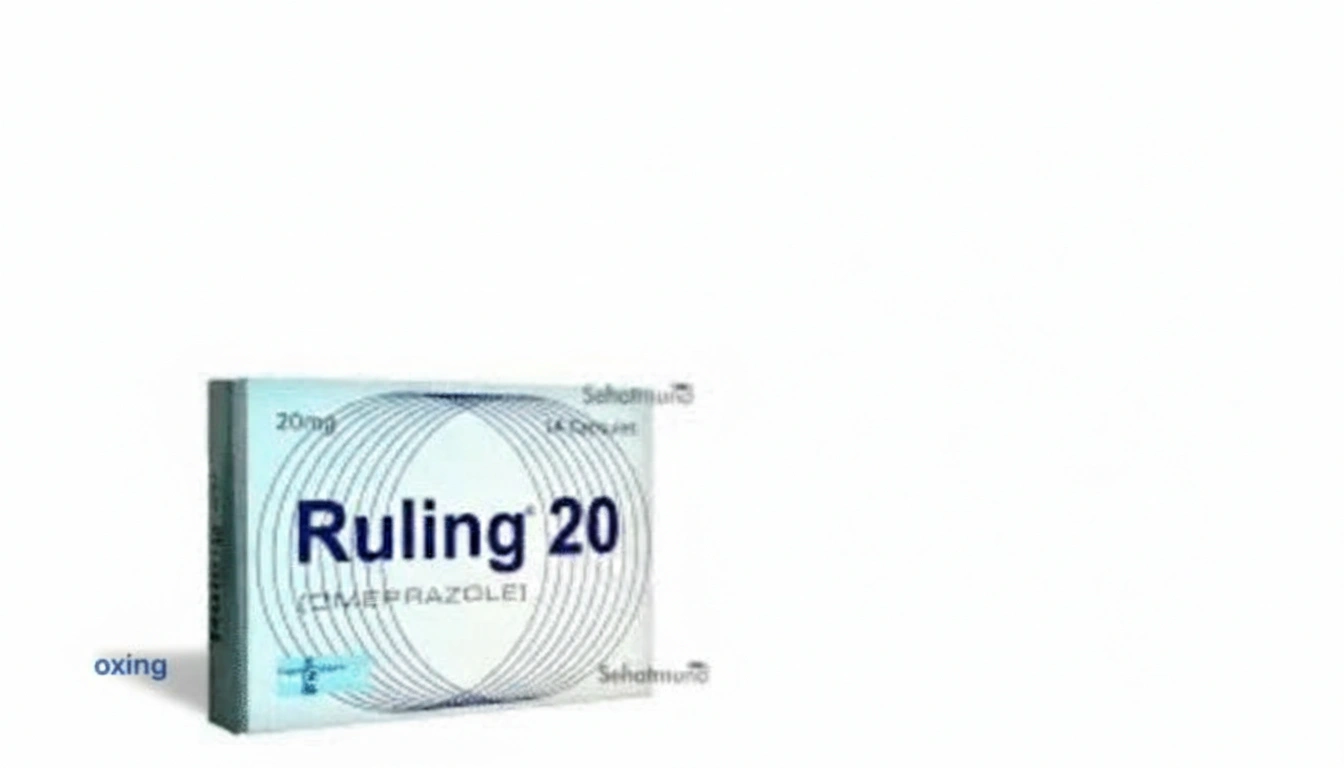
Ever dealt with that burning feeling creeping up your chest after a meal? Or a stubborn ulcer that won’t let you eat in peace? If your doctor has prescribed Ruling 20 mg capsules, here is everything you need to know about this medication.
What Is Ruling 20 mg Capsule
Ruling 20 mg is a brand of omeprazole, made by High-Q Pharmaceuticals Pvt. Ltd, one of Pakistan’s leading pharmaceutical companies. It comes in a pack of 14 capsules and belongs to the proton pump inhibitor (PPI) drug class.
Omeprazole was the first clinically useful PPI. It was originally developed by the Swedish company AB Hässle (now AstraZeneca) and got FDA approval back in 1989. Since then, it has become one of the most commonly prescribed medications around the world for acid-related stomach problems.
How Does Ruling 20 mg Work
Your stomach produces hydrochloric acid through tiny pumps called H⁺/K⁺ ATPase enzymes, also known as “proton pumps.” These sit on parietal cells lining the stomach wall and control the final step of acid production.
Omeprazole is actually a prodrug, meaning it stays inactive when you swallow it. The capsule has an enteric coating that protects it from stomach acid, so it passes through the stomach and gets absorbed in the small intestine.
Once it reaches the acidic environment near the parietal cells, omeprazole activates and binds permanently to the proton pump through disulfide bonds, shutting it down for good (Strand et al., 2017 referenced in Tulane University School of Medicine Pharmacology resources).
Because this binding is irreversible, the effect lasts far longer than the drug stays in your blood. Your body has to build entirely new proton pumps to start making acid again, and that typically takes 18 to 24 hours. A single dose can suppress acid for up to 72 hours, and the maximum effect usually kicks in by the fourth day of daily use (StatPearls – NCBI Bookshelf, “Omeprazole”).
This is what makes omeprazole different from antacids, which just neutralize existing acid, or H2 blockers, which only block one stimulation pathway. Omeprazole blocks the final common pathway of acid secretion no matter what triggered it.
What Conditions Does Ruling 20 mg Treat?
Ruling 20 mg is prescribed for several acid-related gastrointestinal conditions:
- Gastroesophageal Reflux Disease (GERD) — the most common reason doctors prescribe it. It reduces acid flowing back into the esophagus, relieving heartburn, chest pain and difficulty swallowing.
- Peptic Ulcer Disease — treats both stomach and duodenal ulcers, usually over a 4 to 8 week course.
- Helicobacter pylori Eradication — used alongside two antibiotics as part of triple therapy to wipe out H. pylori bacteria that cause many peptic ulcers.
- Erosive Esophagitis — helps heal the esophageal lining damaged by long-term acid exposure.
- Zollinger-Ellison Syndrome — a rare condition where tumors cause the stomach to overproduce acid. Higher doses are needed here, typically 60 to 120 mg daily.
- NSAID-Associated Ulcers — treats and prevents ulcers in people who take anti-inflammatory drugs long term.
Dosage Guidelines
The standard adult dose is 20 mg once daily, taken 30 to 60 minutes before breakfast. This timing matters because omeprazole works best when proton pumps are actively pushing out acid during meals.
Here are some key dosing details:
- H. pylori eradication: 20 mg twice daily (before breakfast and dinner) along with prescribed antibiotics for 7 to 14 days.
- Children (1 to 16 years): 5 to 20 mg once daily based on body weight.
- Zollinger-Ellison Syndrome: starting dose of 60 mg daily, which can go up to 120 mg in divided doses.
Swallow the capsule whole with water. Do not crush, chew or break it open because the enteric coating is what makes the drug work properly. If you have trouble swallowing capsules, you can open it and sprinkle the granules over a tablespoon of applesauce, then swallow right away without chewing.
Common Side Effects
Omeprazole is generally well tolerated. The most frequently reported side effects from clinical labeling include:
- Headache (about 6.9% of patients)
- Abdominal pain (5.2%)
- Nausea (4.0%)
- Diarrhea (3.7%)
- Vomiting (3.2%)
- Gas and bloating (2.7%)
- Constipation, dizziness, cough, back pain and rash (1 to 2% each)
These are usually mild and tend to go away on their own as your body gets used to the medication (StatPearls – NCBI Bookshelf, “Omeprazole”).
Serious and Long-Term Side Effects
Short-term use is considered safe. But when you take omeprazole continuously for more than a year, the picture changes a bit. A detailed 2023 review published in the journal Cureus, titled “Adverse Effects Associated with Long-Term Use of Proton Pump Inhibitors,” looked at data from observational studies, clinical trials and meta-analyses. Here is what they found:
- Bone Fractures — long-term PPI use has been linked to a higher risk of fractures in the hip, wrist and spine. One reason could be that reduced stomach acid makes it harder for your body to absorb calcium. Some research suggests that PPI use for just 14 days can cut calcium absorption by up to 41% (O’Connell et al., 2005 — referenced in Tulane University pharmacology resources). That said, newer studies have shown mixed results on this.
- Kidney Problems — researchers have found connections between PPI use and issues like acute interstitial nephritis, acute kidney injury and chronic kidney disease.
- Nutrient Deficiencies — low magnesium can show up after 3 or more months of use. Vitamin B12 deficiency may develop after 3 or more years. Calcium absorption also takes a hit. Low magnesium symptoms include muscle cramps, irregular heartbeat, tremors and seizures.
- Higher Infection Risk — stomach acid naturally kills a lot of bacteria. When acid levels drop, you become more vulnerable to infections like Clostridioides difficile diarrhea and community-acquired pneumonia.
- Fundic Gland Polyps — small growths that can appear on the stomach lining after a year or more of use. These are usually harmless and do not cause symptoms.
- Possible Dementia Link — a few observational studies have suggested a connection between long-term PPI use and dementia risk, possibly tied to B12 deficiency. This is still being studied and nothing is confirmed yet.
- Rebound Acid Hypersecretion — if you stop omeprazole suddenly after taking it for 2 or more months, your stomach may temporarily pump out even more acid than before. That is why doctors recommend tapering off gradually over 4 to 6 weeks instead of quitting cold turkey.
Drug Interactions
Omeprazole gets broken down in the liver by two enzymes, CYP2C19 and CYP3A4. This creates several important interactions you should know about:
- Clopidogrel (Plavix) — omeprazole can reduce how well clopidogrel works as a blood thinner. If you are on this medication after a heart procedure, bring it up with your cardiologist.
- Rilpivirine-containing HIV medications like Edurant and Complera should not be taken together with omeprazole at all.
- Methotrexate — omeprazole may raise its levels in the body, increasing the risk of side effects.
- Warfarin — there is a chance of increased bleeding because omeprazole can affect clotting markers.
- St. John’s Wort and Rifampin — both can speed up omeprazole’s breakdown in the body, making it less effective.
- Ketoconazole and Itraconazole — these antifungals need stomach acid to be absorbed properly. Omeprazole raises stomach pH, which reduces their absorption.
- Diazepam — its sedative effects may last longer because omeprazole slows down how fast your body processes it.
Always let your doctor know about every medication, supplement and herbal product you are taking before starting Ruling.
Who Should Not Take Ruling 20 mg?
Ruling is not suitable for everyone. Here are the situations where you should avoid it or use it with extra caution:
- If you have a known allergy or hypersensitivity to omeprazole or any ingredient in the capsule. Reactions can range from a simple rash to severe anaphylaxis.
- If you have severe liver disease. Omeprazole builds up in the body when the liver cannot process it efficiently. The drug’s half-life jumps from the usual 0.5 to 1 hour to about 3 hours in liver-impaired patients.
- If you have lupus (SLE), use it carefully. PPIs have been reported to trigger or worsen lupus symptoms in some cases.
- During pregnancy, only use it when your doctor says it is clearly needed. Studies so far have not found a higher risk of birth defects, but thorough human data is still limited.
- If you are breastfeeding, talk to your doctor first because omeprazole does pass into breast milk.
Disclaimer: This article is for informational purposes only and does not replace professional medical advice. Always consult your doctor or pharmacist before starting, stopping or changing any medication.
References:
- Iqbal U, Siddiqui HU, Anwar H, Chaudhary A, et al. “Adverse Effects Associated with Long-Term Use of Proton Pump Inhibitors,” Cureus, 2023
- Mayo Clinic, “Omeprazole (Oral Route) – Side Effects and Dosage”
- Cleveland Clinic, “Omeprazole: Uses and Side Effects”
- DrugBank, “Omeprazole: Uses, Interactions, Mechanism of Action”
- GoodRx Health, “8 Possible Side Effects of Omeprazole”
- Drugs.com, “Omeprazole Side Effects: Common, Severe, Long Term”
- Poison Control (NCPC), “What Is Omeprazole?”
- Tulane University School of Medicine Pharmacology Wiki, “Omeprazole”