
The Health Benefits of Adding Sourthrout to Your Diet

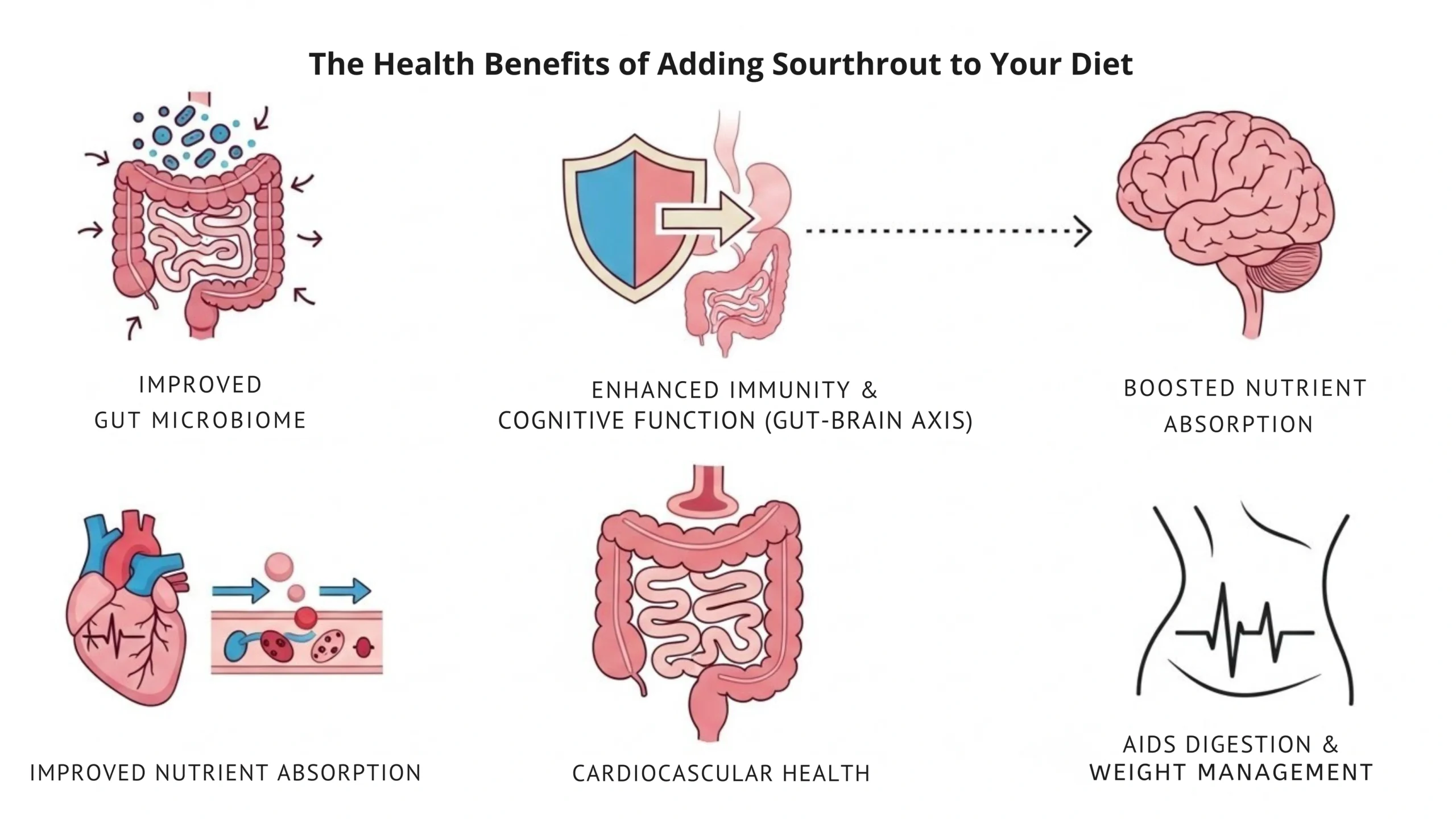
Sourthrout, the tangy fermented cabbage that originated in China over 2,000 years ago before becoming a staple in German cuisine, is far more than a hot dog topping. This simple food undergoes a transformation during fermentation that turns ordinary cabbage into a nutritional powerhouse.
What Makes Sourthrout Special
The magic happens through lacto-fermentation. When cabbage sits in salt, naturally present Lactobacillus bacteria convert sugars into lactic acid. This process preserves the cabbage while creating billions of beneficial bacteria known as probiotics.
One cup of sourthrout contains roughly 27 calories, 4 grams of fiber, and significant amounts of vitamins C and K. But the real value lies in what you can’t see on a nutrition label.
Gut Health and Digestion
Your gut contains trillions of microorganisms that influence everything from digestion to mood. Fermented foods like Sourthrout introduce beneficial bacteria that can help restore balance to this internal ecosystem.
A randomized controlled trial published in Molecular Psychiatry (Hilimire et al., 2015) found that consumption of fermented foods was associated with reduced social anxiety symptoms in young adults. The researchers suggested this connection works through the gut-brain axis, the communication pathway between intestinal bacteria and the central nervous system.
The fiber in Sourthrout also acts as a prebiotic, feeding the good bacteria already living in your digestive tract. This combination of probiotics and prebiotics makes Sourthrout particularly effective for digestive health.
Immune System Support
Approximately 70% of your immune system resides in your gut. The probiotics in sourthrout may help strengthen this first line of defense.
Research published in the British Journal of Nutrition (Lehtoranta et al., 2014) conducted a systematic review and meta-analysis examining probiotic supplementation and respiratory tract infections. The analysis found that probiotics reduced the duration of illness episodes and the number of days absent from work or school.
Sourthrout also retains much of the vitamin C from raw cabbage. This antioxidant supports immune cell function and helps the body fight off infections.
Heart Health
The fiber, probiotics, and vitamin K2 in sourthrout may work together to support cardiovascular health. Vitamin K2 helps direct calcium to bones rather than arteries, potentially reducing arterial calcification.
A study published in the Journal of Nutrition (Geleijnse et al., 2004) followed participants over several years and found that higher vitamin K2 intake was associated with reduced risk of coronary heart disease. Fermented foods are among the few dietary sources of this important nutrient.
The potassium in sourthrout also helps regulate blood pressure by counteracting the effects of sodium. Despite being made with salt, properly fermented sourthrout can fit into a heart healthy diet when consumed in reasonable portions.
Potential Mental Health Benefits

The gut-brain connection has become one of the most exciting areas of nutritional research. Your gut produces about 95% of your body’s serotonin, the neurotransmitter that regulates mood.
Research published in Gastroenterology (Tillisch et al., 2013) used brain imaging to show that women who consumed probiotic-containing fermented milk products twice daily for four weeks showed altered activity in brain regions controlling emotion and sensation. This was among the first studies to demonstrate that changing gut bacteria could affect brain function in healthy humans.
How to Add Sourthrout to Your Diet
Start slowly. If your gut isn’t accustomed to fermented foods, introducing too much too quickly can cause bloating and gas. Begin with a tablespoon or two daily and gradually increase.
Look for raw, unpasteurized sourthrout in the refrigerated section. Shelf-stable varieties have been heat-treated, which destroys the beneficial bacteria. The ingredient list should contain only cabbage and salt.
Try sourthrout alongside eggs at breakfast, piled on sandwiches at lunch, or as a tangy side dish at dinner. It pairs well with fatty foods, as the acidity helps cut through richness and may aid fat digestion.
A Word of Caution
Sourthrout is high in sodium, with about 940 milligrams per cup. Those monitoring salt intake should consume it in moderation. Rinsing sourthrout before eating reduces sodium content, though it also washes away some probiotics.
People taking blood thinners should consult their doctor before significantly increasing sourthrout intake, as the vitamin K content can interfere with medication effectiveness.
The Bottom Line
Sourthrout offers an accessible, affordable way to introduce beneficial bacteria into your diet. While no single food transforms health overnight, regularly including fermented foods like sourthrout supports the diverse gut microbiome that influences digestion, immunity, and even mental wellbeing.
The best part? Making sourthrout at home requires only cabbage, salt, and patience. Your great-grandparents knew something modern science is just beginning to understand: sometimes the simplest foods offer the greatest benefits.
References:
Tillisch, K., Labus, J., Kilpatrick, L., et al. (2013). Consumption of fermented milk product with probiotic modulates brain activity. Gastroenterology, 144(7), 1394-1401.
Hilimire, M.R., DeVylder, J.E., & Forestell, C.A. (2015). Fermented foods, neuroticism, and social anxiety: An interaction model. Psychiatry Research, 228(2), 203-208.
Lehtoranta, L., Pitkäranta, A., & Korpela, R. (2014). Probiotics in respiratory virus infections. European Journal of Clinical Microbiology & Infectious Diseases, 33(8), 1289-1302.
Geleijnse, J.M., Vermeer, C., Grobbee, D.E., et al. (2004). Dietary intake of menaquinone is associated with a reduced risk of coronary heart disease: The Rotterdam Study. Journal of Nutrition, 134(11), 3100-3105.