
Amis 100 MG: Uses, Dosage, Side Effects & More

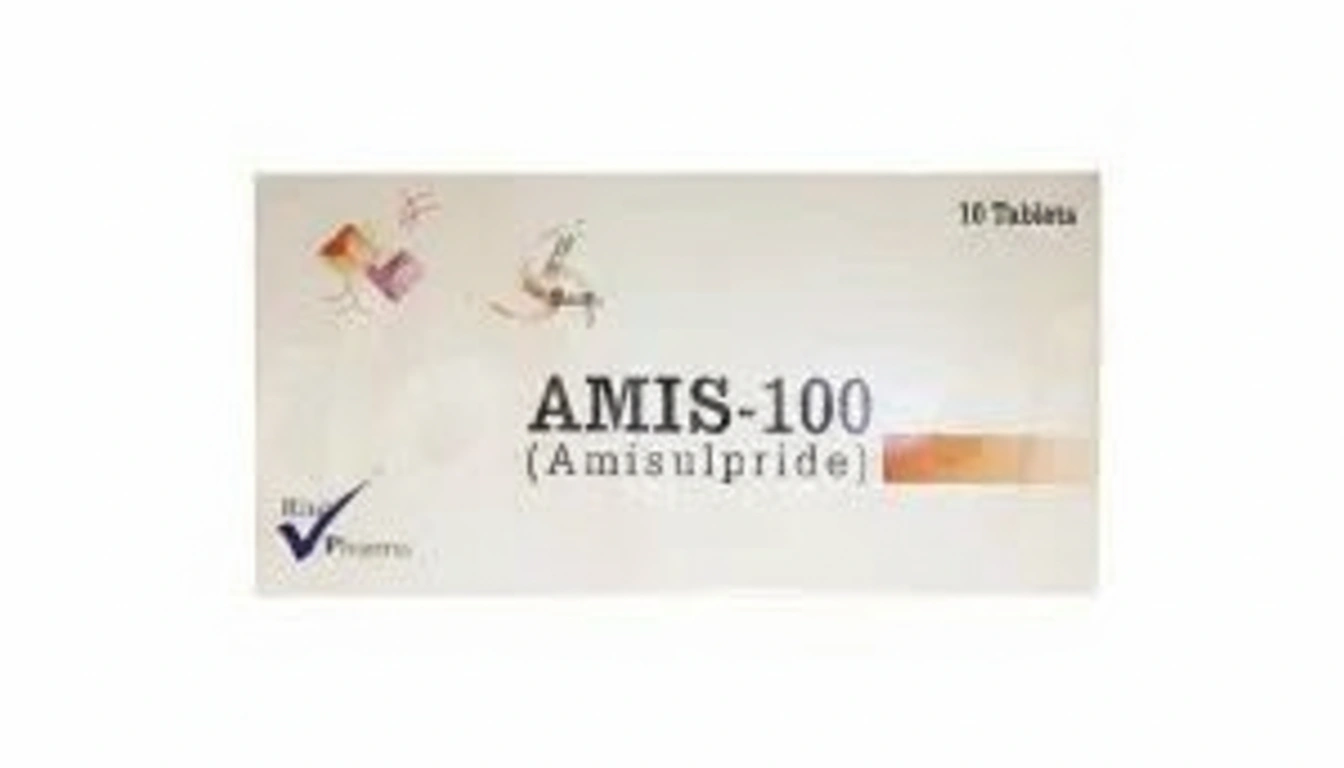
Manufacturer: D.D Pharmaceuticals Salt/Composition: Amisulpride 100 MG Medicine Type: Antipsychotic (Atypical) Prescription Required: Yes
What is Amis 100 MG Tablet?
Amis 100 MG Tablet contains Amisulpride as its active ingredient. It belongs to the atypical antipsychotic class of medicines and is mainly prescribed to treat schizophrenia in adults. It works by blocking dopamine receptors in the brain, helping to reduce hallucinations, delusions, and disordered thinking.
This is a prescription-only medicine. Always take it under the supervision of a qualified psychiatrist.
Uses of Amis 100 MG Tablet
Amis 100 MG is prescribed for:
- Schizophrenia – A chronic mental disorder causing hallucinations, delusions, and disturbed thinking
- Acute Psychosis – A sudden and severe episode of mental disturbance with loss of reality
- Negative Symptoms of Schizophrenia – Such as emotional flatness, reduced motivation, and social withdrawal
How Does Amis 100 MG Work?
Amis 100 MG blocks dopamine D2 and D3 receptors in the brain. In schizophrenia, dopamine becomes overactive, leading to hallucinations and delusions. By controlling this excess activity, the medicine helps:
- Reduce positive symptoms like hallucinations and delusions
- Improve negative symptoms like emotional flatness at lower doses
- Stabilize mood and behavior gradually over time
Dosage of Amis 100 MG Tablet
Your doctor will decide the right dose based on your age, condition, and treatment response. Below is a general dosage guide:
| Condition | Recommended Dose |
|---|---|
| Acute Schizophrenia | 400–800 mg/day |
| Severe Acute Episodes | Up to 1200 mg/day (maximum) |
| Negative Symptoms | 50–300 mg/day |
| Maintenance Dose | Minimum effective dose (individually set) |
Key dosage rules:
- Doses up to 300 mg — take once daily at the same time
- Doses above 300 mg — split into two (morning and evening)
- Can be taken with or without food
How to Take Amis 100 MG Tablet
Taking this medicine correctly is important for the best results:
- Swallow the tablet whole — do not crush, chew, or break it
- Take it at the same time every day without fail
- Do not stop suddenly — always taper off under your doctor’s guidance
- Complete the full prescribed course, even if you feel better early
Missed Dose
If you miss a dose, take it as soon as you remember. If it is nearly time for your next dose, simply skip the missed one. Never double up on doses to compensate for a missed one.
Overdose — What to Do?
An overdose requires immediate emergency medical attention. Watch for these warning signs:
- Excessive drowsiness or sedation
- Sudden drop in blood pressure
- Severe muscle stiffness or twitching
- Irregular or rapid heartbeat
- Severe agitation or confusion
- Loss of consciousness or coma
If any of these occur, call emergency services or go to the nearest hospital immediately. Do not attempt to manage an overdose at home.
Side Effects of Amis 100 MG Tablet
Not everyone experiences side effects, and many reduce as the body adjusts. Here is a clear breakdown:
Common Side Effects:
- Nausea or vomiting
- Dry mouth
- Constipation
- Dizziness or drowsiness
- Restlessness or agitation
- Insomnia (trouble sleeping)
- Weight gain
- Blurred vision
Less Common Side Effects:
- Erectile dysfunction or decreased libido
- Trembling or muscle stiffness
- Restless legs or face twitching
- Amenorrhea (missed periods in women)
- Gynecomastia (breast tissue growth in men)
- Elevated blood sugar or cholesterol levels
- Increased infections due to low white blood cell count
Serious Side Effects — Seek Immediate Help:
- Severe chest pain or palpitations
- Seizures or convulsions
- High fever with extreme muscle stiffness (possible NMS — see below)
- Swelling or redness in the legs (possible blood clot)
- Severe skin rash, swelling of face or throat (allergic reaction)
- Suicidal thoughts or sudden mood changes
Neuroleptic Malignant Syndrome (NMS)
Neuroleptic Malignant Syndrome (NMS) is a rare but life-threatening reaction linked to antipsychotic medicines like Amis 100 MG. It must be treated as a medical emergency.
Recognize the warning signs:
- Very high body temperature (hyperthermia)
- Severe muscle rigidity throughout the body
- Confusion or loss of consciousness
- Rapid or irregular heartbeat
- Profuse sweating
- Unstable blood pressure
If these symptoms appear, stop the medicine immediately and go to the emergency room. Early treatment is critical. Amis 100 MG should not be restarted after an NMS episode without thorough medical evaluation.
QT Prolongation & Heart Rhythm Warning
Amis 100 MG may cause QT prolongation a change in the heart’s electrical activity that can, in rare cases, trigger a dangerous irregular heartbeat called Torsades de Pointes.
You are at higher risk if you:
- Already have a heart rhythm disorder
- Have low potassium or magnesium levels (electrolyte imbalance)
- Take other medicines that also prolong the QT interval
- Have a personal or family history of heart problems
Important precautions:
- Tell your doctor about any existing heart conditions before starting treatment
- Your doctor may order an ECG before and during treatment
- Never combine Amis 100 MG with other QT-prolonging medicines without medical advice
- Report symptoms like palpitations, fainting, or sudden dizziness immediately
Contraindications Who Should NOT Take Amis 100 MG?
Do not take this medicine if you have:
- Allergy to Amisulpride or any ingredient in the tablet
- Pheochromocytoma (adrenal gland tumor)
- Prolactin-dependent tumors, including prolactinoma
- Prolactin-sensitive breast cancer
- Parkinson’s disease
- If you are currently taking Levodopa
- Children under 15 years of age
Drug Interactions
Always inform your doctor about all medicines you are currently taking. Amis 100 MG should be used with caution or avoided with:
- Levodopa – Directly opposes the effects of Amis; both medicines lose effectiveness
- Antiarrhythmics – Severe risk of QT prolongation and dangerous heart rhythm changes
- Lithium – Increased risk of NMS and nerve toxicity
- Other antipsychotics – Additive side effects, including sedation and movement disorders
- Antihypertensives – Risk of a severe drop in blood pressure
- Antimalarials (e.g., mefloquine, chloroquine) – Increased risk of QT prolongation
- Alcohol – Amplifies sedation and central nervous system depression
Pregnancy & Breastfeeding
Pregnancy: Amis 100 MG is not recommended during pregnancy. Babies born to mothers who took it during the third trimester may experience muscle stiffness, drowsiness, or feeding difficulties. Only use if your doctor determines the benefit clearly outweighs the risk.
Breastfeeding: This medicine passes into breast milk and may harm the baby. Breastfeeding should generally be discontinued if treatment with Amis 100 MG is necessary. Consult your doctor before making any decision.
Alcohol & Driving
Alcohol: Avoid alcohol completely during treatment. Combining alcohol with Amis 100 MG significantly increases drowsiness and risk of accidents.
Driving: This medicine causes dizziness, drowsiness, and blurred vision. Do not drive or operate heavy machinery until you know how this medicine affects you personally.
Storage Instructions
- Store below 30°C in a cool, dry place
- Keep away from direct sunlight and moisture
- Store out of reach of children
- Do not use after the expiry date printed on the pack
- Do not store in the bathroom or near the kitchen sink
Substitutes for Amis 100 MG Tablet
The following medicines contain the same active ingredient (Amisulpride 100 MG) and may be used as substitutes under medical advice:
| Substitute | Manufacturer |
|---|---|
| Amazeo 100 MG Tablet | Torrent Pharmaceuticals |
| Amigold 100 MG Tablet | Lupin Ltd |
| Zonapride 100 MG Tablet | Mankind Pharmaceuticals |
| Joykem O 100 MG Tablet | Alkem Laboratories |
Always consult your doctor before switching to any substitute.
Final Thoughts
Amis 100 MG Tablet is a clinically proven antipsychotic that can make a meaningful difference in the lives of people living with schizophrenia and acute psychosis but it works best when used responsibly. Always take it exactly as prescribed, never stop it abruptly, and stay in regular contact with your psychiatrist throughout treatment. Being informed about serious risks like NMS and QT prolongation, monitoring your health through regular checkups, and making small lifestyle changes alongside medication can all contribute to a safer and more effective treatment journey.
Disclaimer: This article is for informational purposes only and does not constitute medical advice. Always consult a qualified healthcare professional before starting, changing, or stopping any medication.