Top 10 Most Important Medicines of All Time

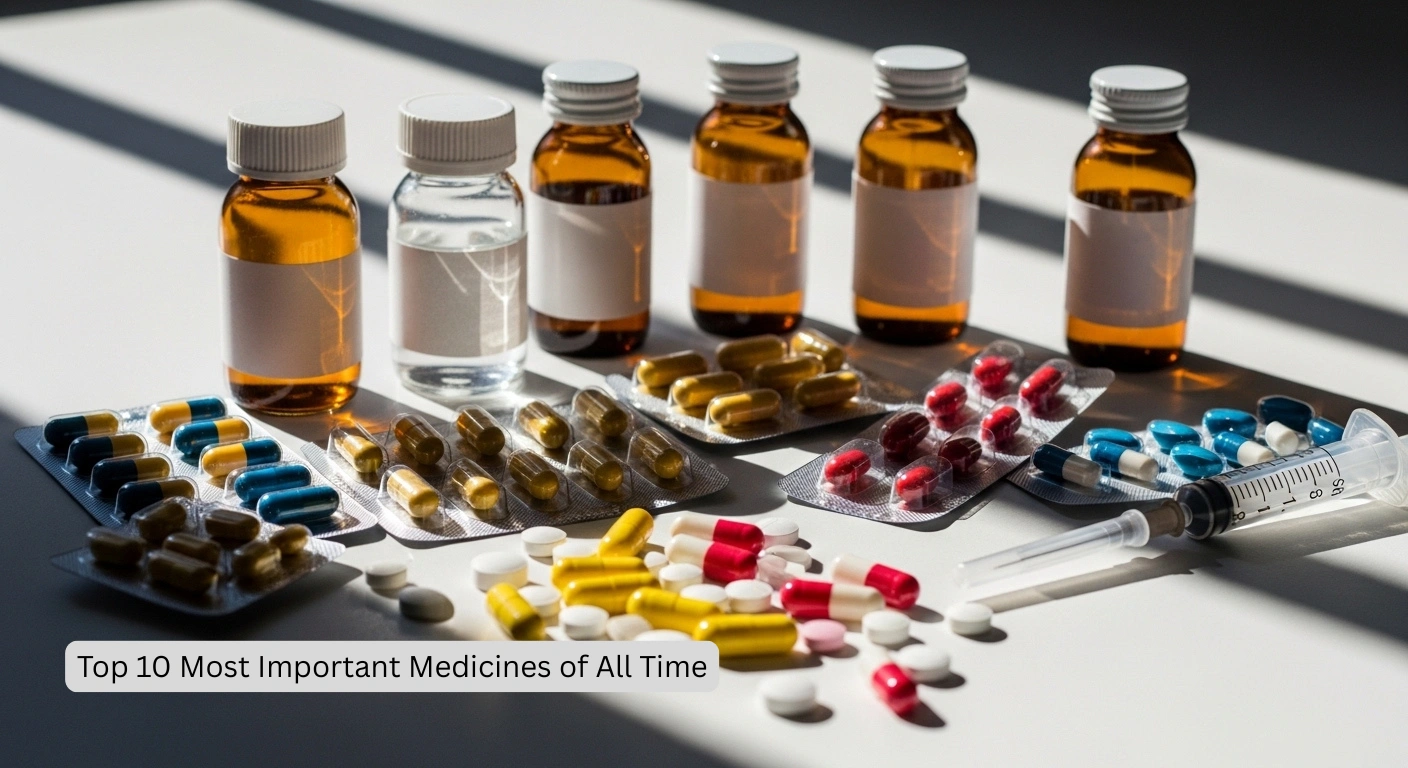
Throughout human history, disease has been our most dangerous enemy. Infections killed millions, pain was uncontrollable, and mental illness destroyed lives completely. But medicine fought back. A handful of discoveries changed everything, not just for one person, but for all of humanity.\
Covers the 10 most important medicines ever made. Each one did not just treat a disease. It changed what was possible.
Penicillin The Drug That Start Everything
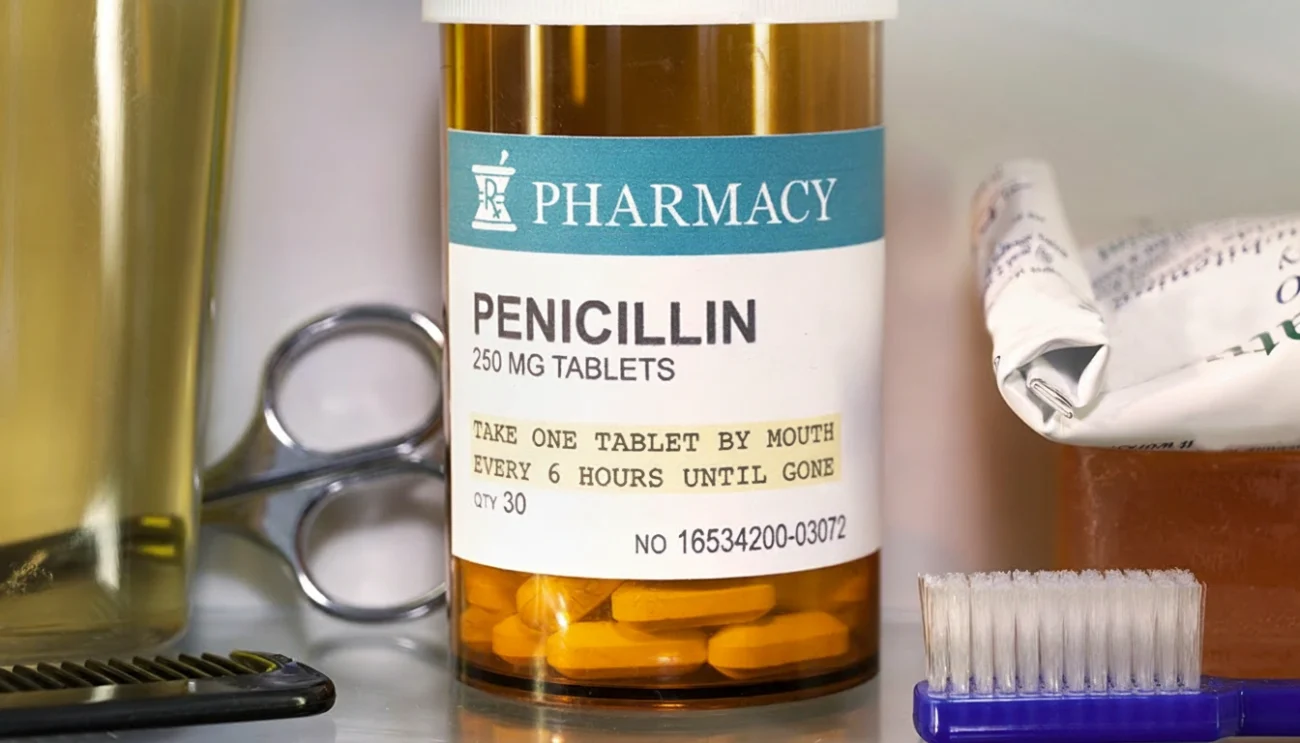
Alexander Fleming discovered penicillin in 1928 by accident. A mold got into his petri dish and killed the bacteria around it. Most scientists would have thrown it away. Fleming looked closer and changed the world forever.
Penicillin became the first true antibiotic. Doctors used it widely during World War II to save soldiers from infected wounds. The numbers are hard to believe.
- It saved between 80 million and 200 million lives
- Without it, experts say 75% of people alive today would not exist
- It treats pneumonia, strep throat, ear infections, skin infections, and syphilis
- It works by destroying the cell walls of bacteria
- The WHO lists it as a core essential medicine
Its biggest weakness is antibiotic resistance. Overuse has created drug-resistant bacteria that now kill more than 1 million people every year. Using penicillin responsibly has never been more important than it is today.
Insulin Turning a Death Sentence Around
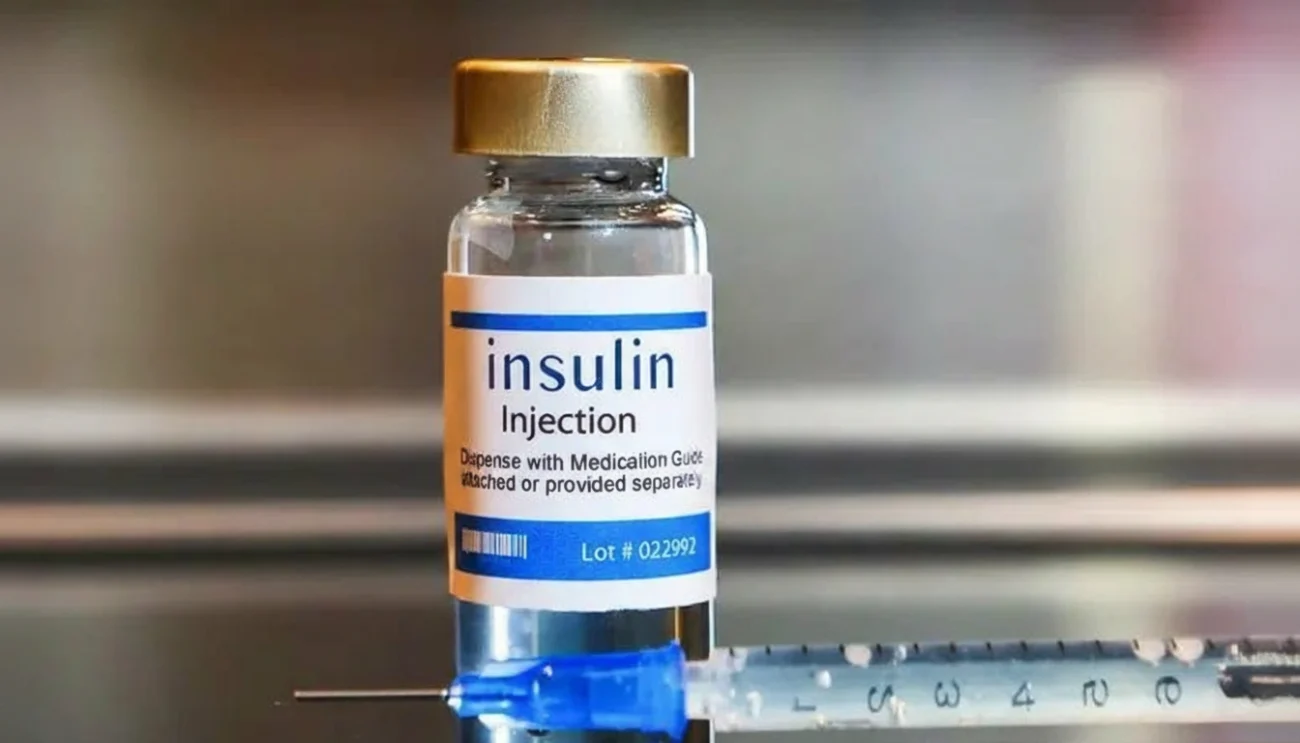
Before 1921, a Type 1 diabetes diagnosis meant slow starvation and death. Doctors put patients on near-starvation diets just to buy them a few extra months. Children suffered the most.
Canadian scientists Frederick Banting and Charles Best changed that. They isolated insulin, a hormone that controls blood sugar, and the first patient, 14-year-old Leonard Thompson, came back from near-coma within 24 hours of his first dose.
- Insulin helps body cells absorb glucose from the blood
- More than 537 million diabetics around the world depend on it today
- It opened the entire field of hormone replacement therapy
- Doctors give it through injections, insulin pens, and pumps
There is also a little-known piece of history here. Romanian scientist Nicolae Paulescu independently isolated insulin in 1916 but went to World War I before he could publish his work. Most articles never mention this.
Aspirin The World Most Versatile Medicine
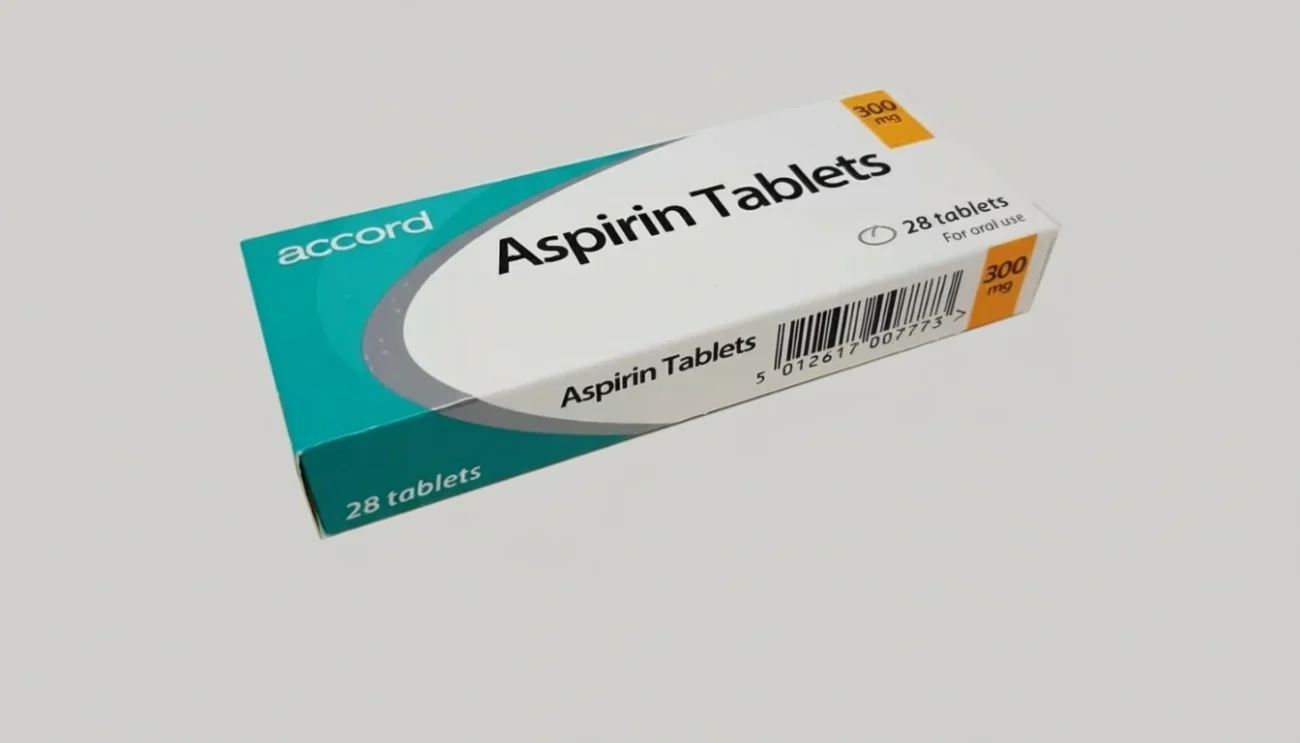
Felix Hoffmann, a German chemist, made aspirin in 1897. It has been in use for more than 125 years. It was one of the first drugs ever made synthetically at industrial scale and it helped build the modern pharmaceutical industry.
What makes aspirin special is how many problems it can solve.
- It relieves headaches, muscle pain, and fever
- It reduces inflammation throughout the body
- It stops blood clots from forming, which lowers the risk of heart attacks and strokes
- Doctors use it to treat Kawasaki disease in children
- People around the world use about 40,000 metric tons of it every year
Low-dose aspirin therapy, around 75 to 100mg daily, prevents tens of thousands of heart deaths every year on its own. Very few medicines have done so much, for so long, for so many people.
Vaccines Smallpox and Polio
Vaccines belong on this list because they do something no other medicine can. They remove a disease completely rather than just treating it.
Smallpox killed around 300 million people in the 20th century alone. Edward Jenner noticed in 1796 that people who got cowpox did not catch smallpox. That simple observation started a 184-year global campaign. In 1980, the WHO declared smallpox extinct. It is the only human disease the world has ever fully wiped out.
Polio paralyzed hundreds of thousands of children every year through the mid-1900s. Jonas Salk made his vaccine in 1955 and started a push that cut annual polio cases by more than 99%.
- Vaccines teach the immune system to fight a disease without actually causing it
- Both the smallpox and polio vaccines sit on the WHO Essential Medicines List
- The mRNA platform, proven by COVID-19 vaccines, is now in development for cancer vaccines
Vaccines do not wait for disease to arrive. They make sure it never does.
Ether Making Surgery Survivable
Before anaesthesia, surgery was terrifying. Doctors held patients down while they cut and amputated as fast as they could. Many people died not from the surgery itself but from the shock of going through it.
Ether changed all of that on October 16, 1846, a date doctors still call Ether Day. A patient at Massachusetts General Hospital went through an entire surgery without feeling any pain. The people watching could not believe what they saw.
- Ether suppresses brain activity and stops the patient from feeling anything
- People knew about ether since 1540, but nobody thought to use it in surgery until 1846
- Modern anaesthetics like isoflurane and propofol replaced it later on
- Its discovery turned anaesthesiology into its own medical specialty
Without ether and the modern agents it inspired, organ transplants, open-heart surgery, and most complex procedures would simply not exist.
Morphine The Foundation of Pain Management
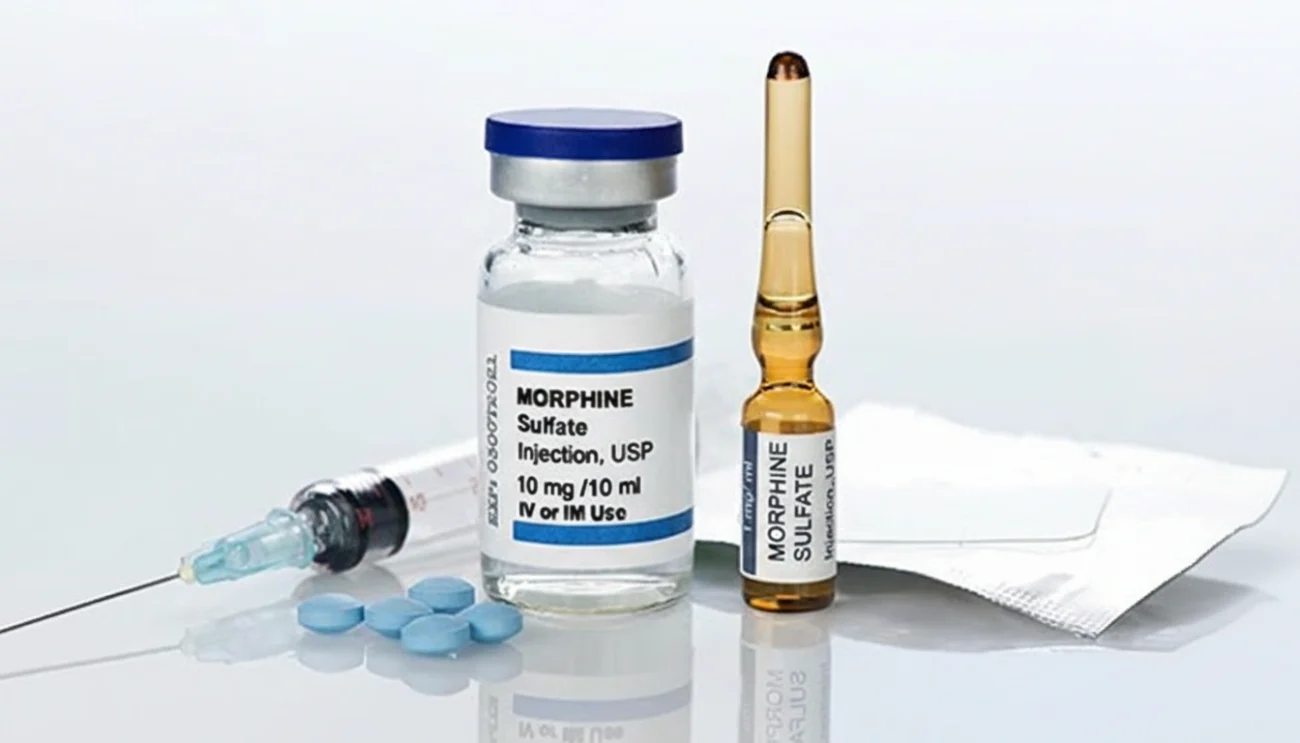
Severe pain from cancer, major injury, or surgery is completely overwhelming. Friedrich Sertürner, a German pharmacist, isolated morphine from the opium poppy in 1804. It was the first drug that could reliably take that kind of pain away.
It also made history in another way. Morphine was the first time anyone ever pulled a single active compound out of a plant. That discovery created the science of pharmacology.
- Morphine connects to pain receptors in the brain and blocks pain signals
- Doctors use it for palliative care, post-surgical recovery, cancer pain, and heart emergencies
- It comes in tablets, IV drips, patches, epidurals, and more
- The WHO includes it on the Essential Medicines List for palliative care
The global opioid crisis, driven by morphine and its derivatives, is a hard reminder of how powerful this drug is. Its benefits are real and enormous. So are the risks when people misuse it.
Chlorpromazine The Psychiatric Revolution
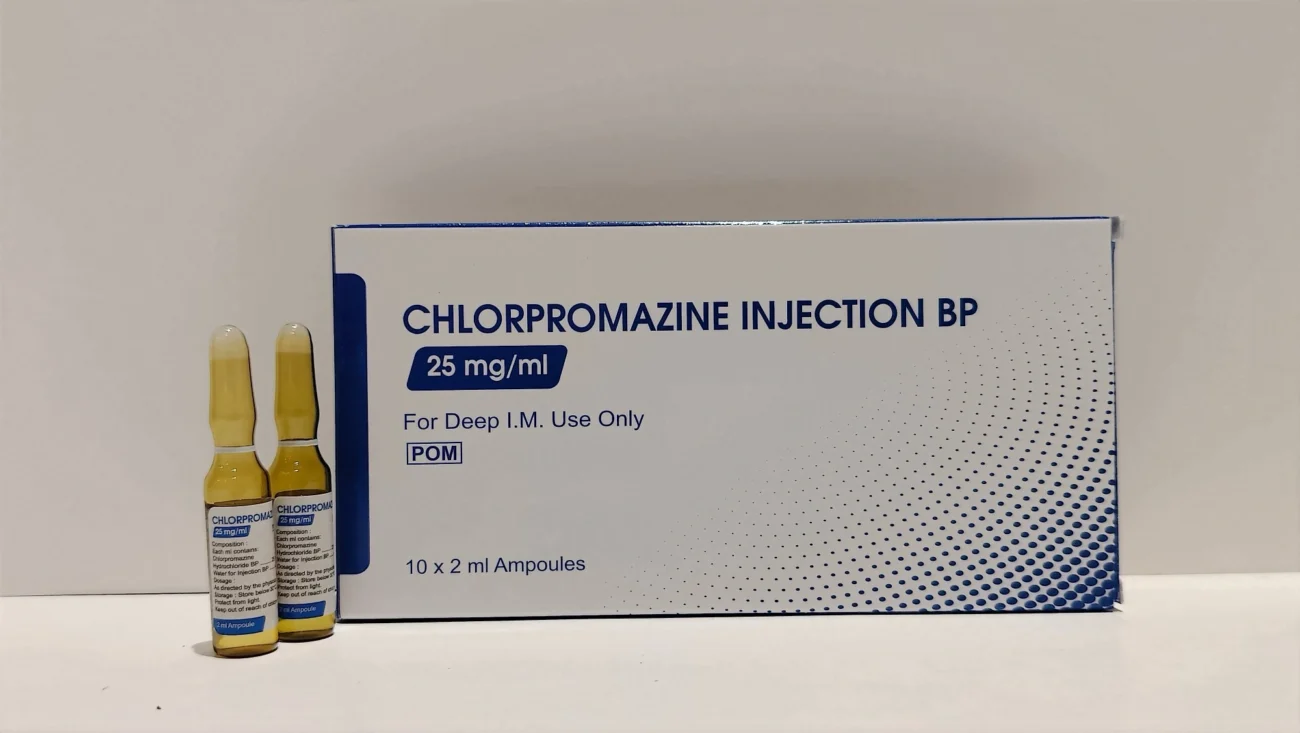
Before 1952, doctors had almost nothing to offer patients with schizophrenia or severe bipolar disorder. They sent them to institutions, performed lobotomies, or simply gave up. Mental illness felt like a permanent condition with no way out.
Chlorpromazine, developed in France, was the first real antipsychotic. It let patients with severe mental illness live in society rather than spend their lives locked away. Within about ten years of its release, around 50 million people had used it.
- It blocks dopamine receptors in the brain to calm psychotic symptoms
- It treats schizophrenia, bipolar disorder, severe agitation, and psychosis
- Its discovery accidentally revealed the dopamine theory of schizophrenia, one of the most important ideas in brain science
- The WHO lists it as an essential medicine for mental health
Chlorpromazine did not just treat patients. It launched the whole field of psychiatric medicine and opened the door to every antidepressant and anti-anxiety drug that followed.
Statins Fighting the World’s Biggest Killer
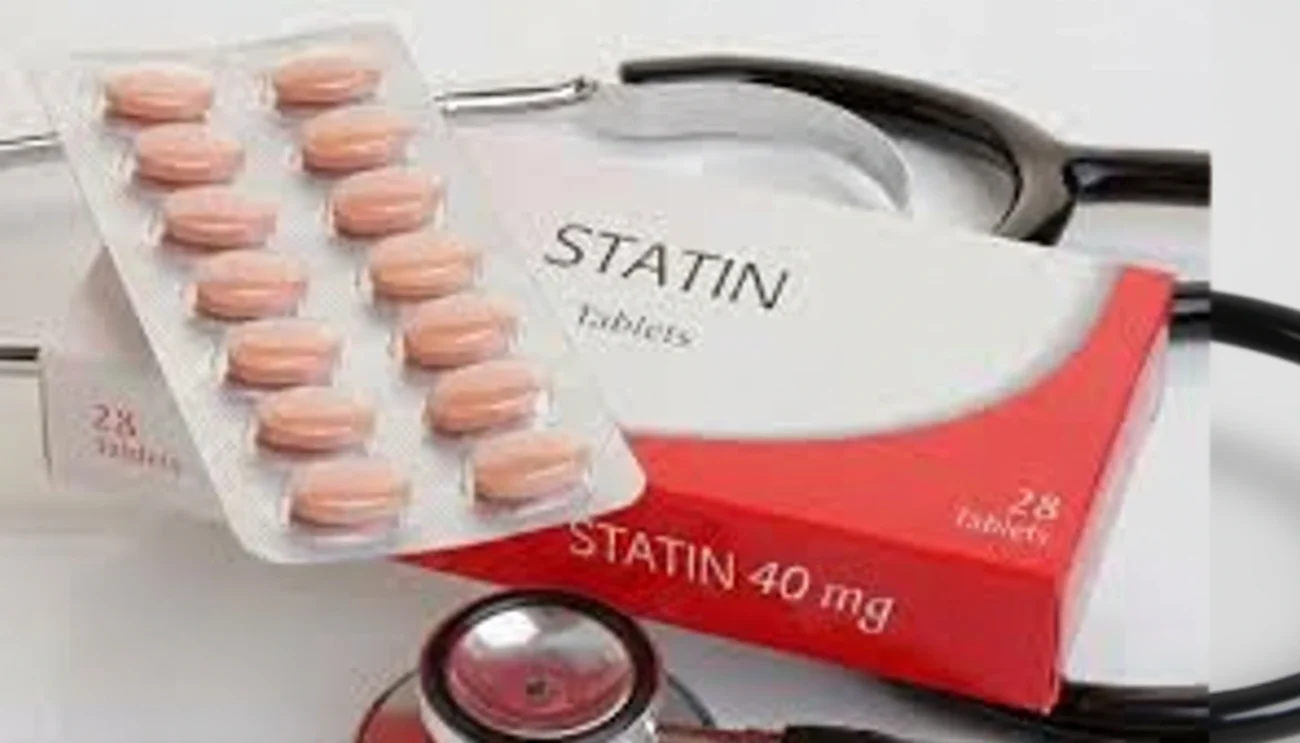
Heart disease kills more people than anything else on the planet. Statins are one of medicine’s most effective answers to it.
Japanese scientist Akira Endo discovered the first statin from a fungus in 1971. It is a discovery as important as penicillin, but most people have never heard his name. Statins lower bad cholesterol and stop the liver from producing too much of it.
- They block the liver enzyme that makes cholesterol
- Lipitor, also called atorvastatin, became the best-selling drug in history with over 125 billion dollars in sales
- They prevent millions of heart attacks and strokes every year
- Patients take one tablet daily
- The WHO lists statins on its Essential Medicines List for heart disease
Statins are everything a good medicine should be. They are affordable, widely available, backed by solid evidence, and they have genuinely changed how deadly heart disease is at a global level.
Oral Rehydration Therapy The 50-Cent Miracle
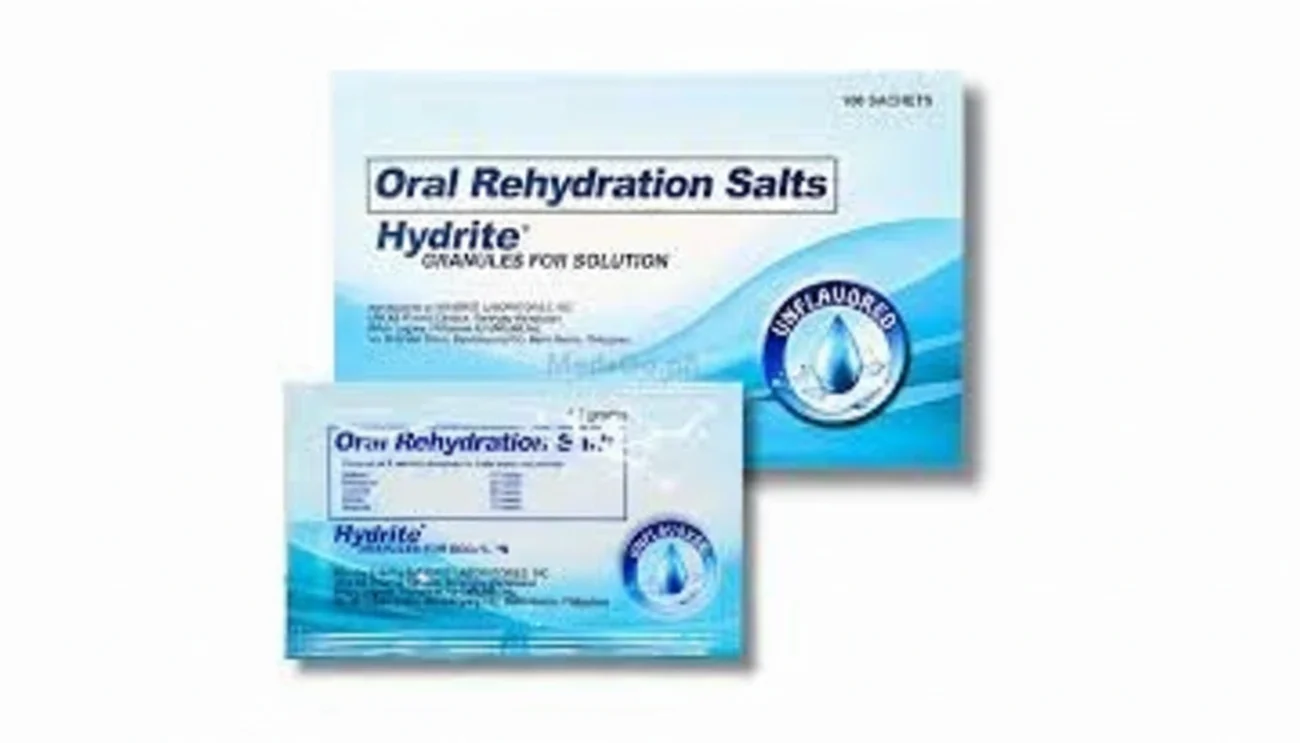
Most popular articles leave this medicine off their lists. That is one of the biggest oversights in medical writing. The Lancet, one of the most respected medical journals in the world, called Oral Rehydration Therapy the most important medical advance of the 20th century.
ORS is just clean water, salt, and sugar in the right amounts. It costs around 50 cents per treatment. Yet it has saved an estimated 70 million lives, mostly young children in low-income countries.
- It uses a mechanism in intestinal cells called glucose-sodium co-transport to keep the body absorbing fluid even during severe diarrhoea
- Dr. Dilip Mahalanabis developed it in Dhaka, Bangladesh, during the 1960s
- It proved itself in 1971 during the Bangladesh War of Independence, when the cholera death rate dropped from 30% down to 3.6%
- The WHO and UNICEF adopted it globally in 1978
- It comes in pre-packaged sachets that families can mix with water at home
Before ORS, diarrhoeal disease killed 5 million children under five every year. Today that number is below 1 million. A simple, cheap solution made all the difference.
Cortisone Master of Inflammation
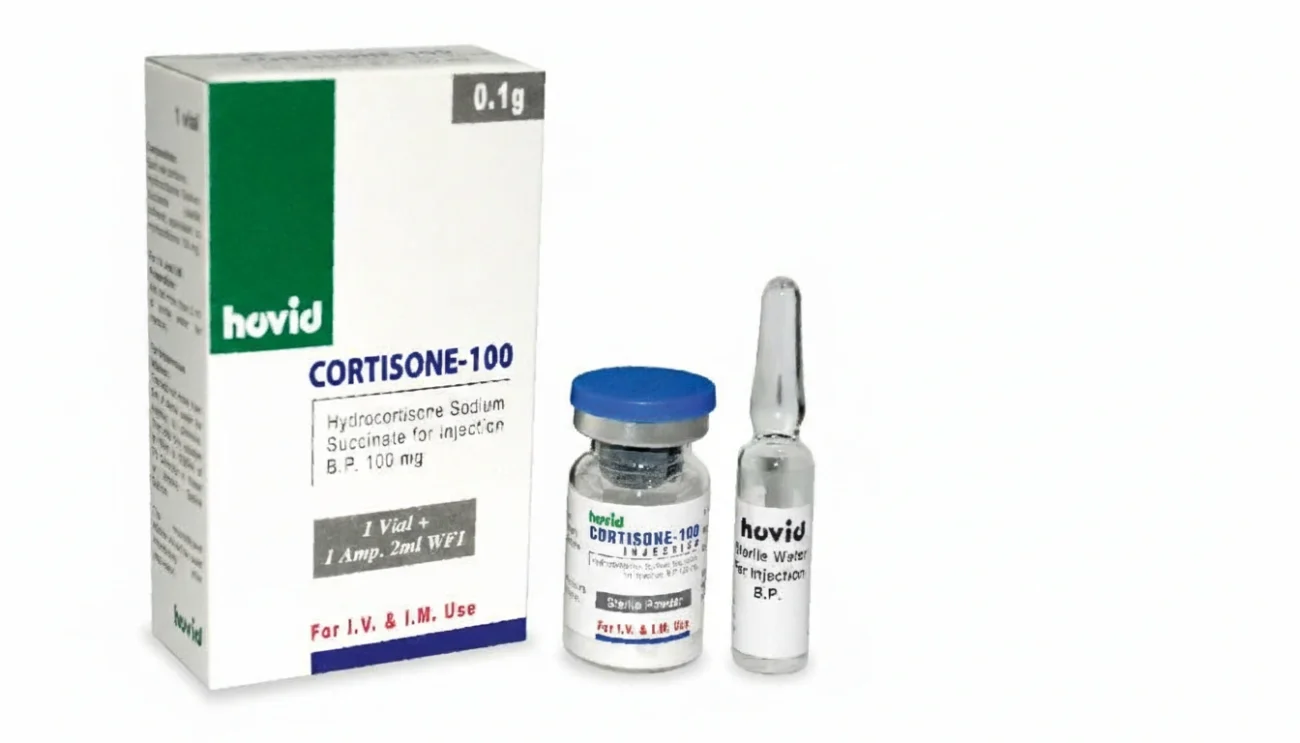
Cortisone and its family of drugs, including prednisolone, dexamethasone, and hydrocortisone, are among the most widely used medicines in the world. Most popular top-10 lists barely mention them, which is a serious gap.
Before 1948, conditions like rheumatoid arthritis caused permanent, crippling disability. There was no real treatment. Philip Hench gave cortisone to his first patient at the Mayo Clinic and she went from bedridden to walking within days. She told her doctors she had never felt better in her life. That discovery won the Nobel Prize in Medicine in 1950.
- Cortisone tells the immune system to calm down and stops inflammation at the cellular level
- It changed treatment across six medical specialties: rheumatology, lung medicine, skin medicine, gut medicine, eye medicine, and transplant surgery
- Doctors use it for rheumatoid arthritis, asthma, eczema, allergies, Crohn’s disease, and organ transplants
- It comes as tablets, injections, inhalers, creams, and drips
Its modern version, dexamethasone, became essential during COVID-19. It was the first drug proven to lower the death rate in seriously ill COVID-19 patients. A medicine from 1948 was still saving lives in 2020.
Honourable Mentions
Several other medicines came very close to making this list.
- Antiretroviral Therapy – Changed HIV from a fatal illness into a condition people can manage for life. Combination therapy developed in the 1990s made this possible.
- Salvarsan (1909) – The world’s first chemotherapy drug. It introduced the idea of targeting a specific disease with a specific chemical, which is the basis of all modern cancer treatment.
- Oral Contraceptives (1960) – Gave women control over their reproductive health and permanently changed society.
- L-Dopa – Still the best treatment for Parkinson’s disease. It reduces tremor and stiffness and gives patients back quality of life.
- Metformin – The most widely used diabetes drug on the planet. It is cheap, safe, and researchers are now studying it as a possible anti-ageing medicine.
Final Thought
Every medicine on this list came from someone who refused to give up. Penicillin came from a contaminated dish that most scientists would have thrown away. Insulin came from researchers who had to beg for funding. ORS came from a lab in Bangladesh with almost no resources. Medicine is not just science. It is stubbornness, curiosity, and the belief that human suffering can always be reduced. That belief is worth keeping.
Disclaimer: This article is for educational purposes only. Always speak with a qualified doctor or healthcare professional for medical advice, diagnosis, or treatment.