
Lexotanil Tablet: Uses, Dosage, Side Effects & More

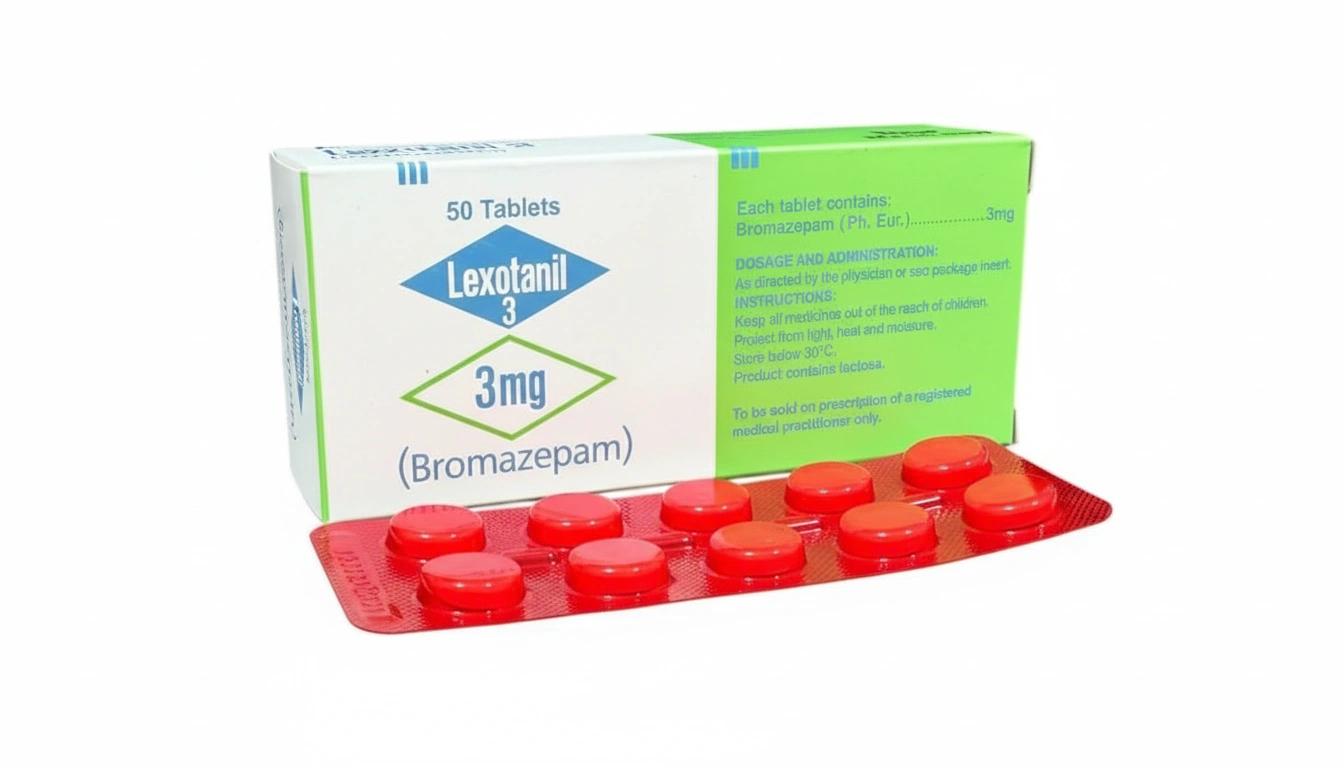
Lexotanil is a brand of bromazepam, a benzodiazepine prescribed for the short-term relief of severe anxiety. It is one of those medicines that genuinely helps the right person at the right moment, but it carries a sting in the tail, because the same calming effect that makes it useful is also what makes it habit-forming.
What Lexotanil Is Used For
Bromazepam is prescribed for short periods only, typically to manage:
- Severe, generalised, or social anxiety disorders that are interfering with daily life.
- Panic attacks and acute tension.
- Insomnia driven by severe anxiety or stress, where it is the anxiety, not ordinary sleeplessness, keeping someone awake.
- Agitation and alcohol-withdrawal symptoms, in a supervised setting.
- Emotional and psychosomatic reactions linked to chronic illness.
Dosage Guidelines
Dosing is highly individualised and deliberately kept brief, usually 2 to 4 weeks including the tapering-off period, because that is the window where benefit outweighs the rising risk of dependence.
Typical Adult Dosing
- For anxiety, doctors generally prescribe 6 to 18 mg per day, split into 2 to 4 smaller doses through the day.
- The dose can be raised if needed up to a maximum of 60 mg per day, but this is rarely necessary, because lower doses usually work and the dependence risk climbs the more you take.
- The exact amount depends on symptom severity, your age and weight, your response, and any other health conditions you have.
Special Groups
- Elderly or debilitated patients: lower doses are essential, because the drug clears more slowly and can accumulate.
- Children: not generally recommended.
- Pregnancy and breastfeeding: avoid unless a doctor decides the benefit clearly justifies it.
How To Take It
- Swallow the tablet whole, do not crush or chew it.
- Take it at the set times your doctor specifies rather than whenever symptoms flare.
- Never increase the dose yourself, even if it seems to be working less well, that fading effect is tolerance, and chasing it is how dependence builds.
Side effects
Because bromazepam slows the central nervous system, most of its side effects are extensions of that sedation.
Common
- Drowsiness and fatigue.
- Dizziness.
- Reduced coordination and slowed reflexes.
- Muscle weakness.
Less Common But Important
- Memory problems, particularly trouble forming new memories.
- Confusion, more likely in older patients.
- Paradoxical reactions – instead of calming, a minority of people become agitated, restless, irritable, or even aggressive. If this happens, the drug should be stopped and the doctor told.
Most of the common effects ease as the body adjusts, but the sedation is exactly why the activity warnings below matter so much.
Warnings And Precautions
This is the part that matters most with any benzodiazepine, because the dangers are real and specific rather than vague boilerplate.
Dependence And Withdrawal
- Dependence can develop even at normal prescribed doses, and the risk rises with higher doses and longer use. Studies suggest up to 30% of long-term users develop some form of dependence.
- Never stop Lexotanil abruptly. This is not a comfort issue, it is a safety one. Abrupt withdrawal after regular use can trigger a severe withdrawal syndrome including seizures (status epilepticus) and a state resembling delirium tremens, which can be life-threatening.
- Coming off it must be done by gradual tapering on a schedule your doctor sets. Withdrawal symptoms can begin 8 to 12 hours after a missed dose once dependence has formed, and include rebound anxiety, insomnia, tremors, sweating, and irritability.
Potentially Fatal Interactions
- Alcohol sharply increases sedation and the risk of dangerous respiratory and cardiovascular depression. Do not drink on Lexotanil.
- Opioids combined with benzodiazepines can cause profound sedation, stopped breathing, coma, and death. This combination is one of the most dangerous in medicine and should be avoided unless a doctor is specifically managing it.
- Other sedatives, sleeping pills, and tranquillisers stack the same depressant effect.
Activities
- Lexotanil impairs alertness, reaction time, and coordination. Do not drive or operate machinery until you know exactly how it affects you, and not at all if you feel drowsy.
Who Should Not Take It
Lexotanil is contraindicated in people with:
- Severe respiratory problems (it suppresses breathing).
- Severe liver impairment (the liver clears the drug).
- Myasthenia gravis (it worsens muscle weakness).
- Sleep apnoea.
- Known dependence on alcohol or drugs, or a history of substance use disorder, where the addiction risk is much higher.
Medical Disclaimer: This article is for general information only and is not a substitute for professional medical advice. Lexotanil is a prescription-only controlled benzodiazepine with a real risk of dependence, and stopping it suddenly can be dangerous. Never start, adjust, or stop it without your doctor’s direct guidance, and always follow the leaflet in the pack.
References
- Drugs.com — Bromazepam: uses, risks, and interactions.
- Bromazepam Product Monograph (Health Canada drug database).
- MentalHealth.com — Bromazepam: Uses, Dosage and Side Effects.
- Murphy & Tyrer, “A Double-Blind Comparison of the Effects of Gradual Withdrawal of Lorazepam, Diazepam and Bromazepam in Benzodiazepine Dependence.” British Journal of Psychiatry, 1991.