
Fexo: Uses, Side Effects, and More

Disclaimer: This article is for general information and is not a substitute for a consultation with your own doctor or pharmacist. Dosing depends on your age, your kidney function, and what else you take, so always read the leaflet inside the pack and ask a professional before you start, stop, or combine medicines, particularly in pregnancy, breastfeeding, or if you have another medical condition.
In allergy clinics, fexofenadine is one of the medicines I reach for most, and Fexo is simply one of the brands it is sold under. The reason it has become a workhorse is straightforward: it controls allergy symptoms well and it does so without making most people sleepy. The older antihistamines worked, but they sedated patients, which is no good if you have to drive, study, or hold down a job. Fexofenadine sits in the second generation, the ones designed to stay out of the brain and work on the body, so you get the symptom relief and keep your head clear.
It is a histamine blocker. When you meet something you are allergic to, pollen, dust, an animal, your immune system releases histamine, and histamine is what produces the sneezing, the itch, the streaming nose and eyes, the welts on the skin. Fexofenadine blocks the H1 receptors that histamine acts on, which is why a single medicine can settle symptoms as different as a runny nose and an itchy hive.
Key Strengths And Uses
Fexofenadine comes in four tablet strengths, and the strength you need depends on what is being treated and who is taking it. It is worth knowing the difference so you do not under-treat hives with a hay fever dose or vice versa.
- 30 mg is the children’s strength, used in the 6 to 11 age group, normally twice a day.
- 60 mg is an adult strength taken twice daily, and it is also the starting dose I use in patients with reduced kidney function.
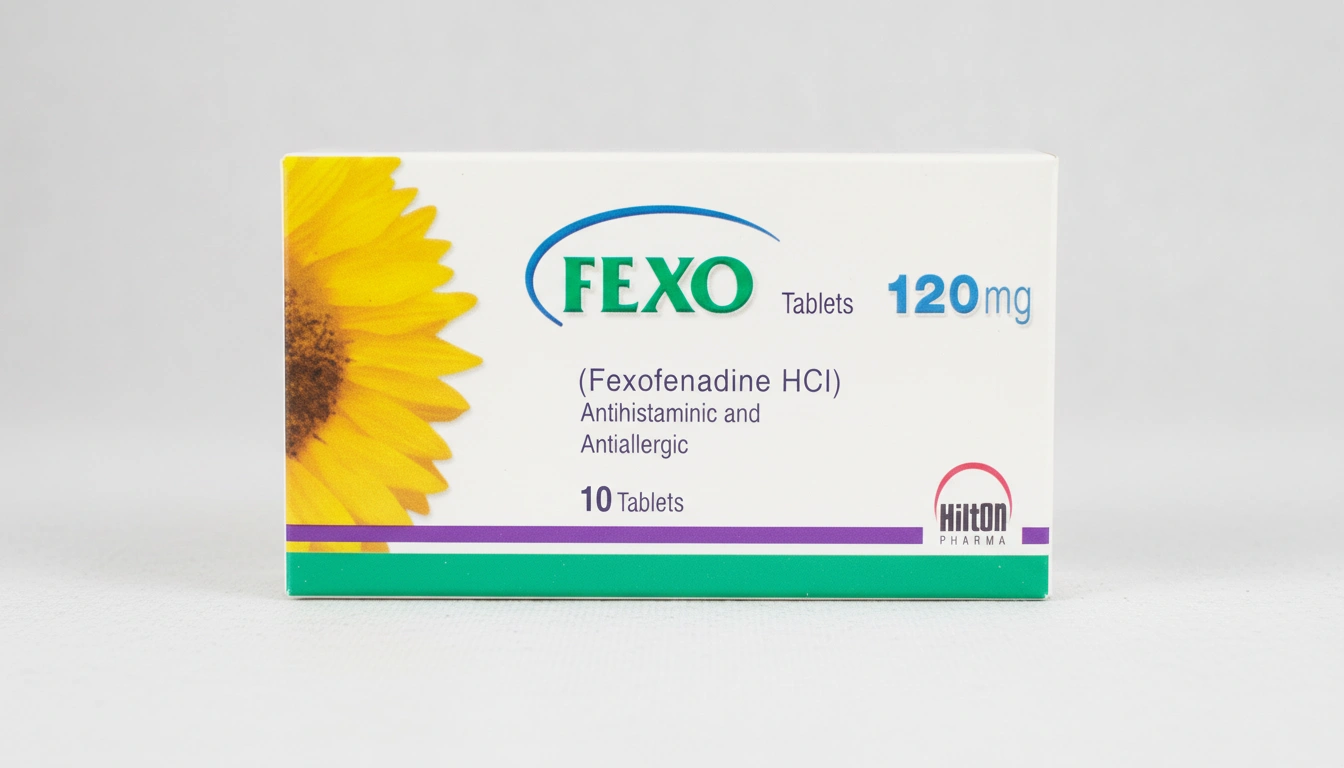
- 120 mg is the standard adult once-daily dose for hay fever.
- 180 mg is the adult once-daily dose for chronic hives, and it is the usual maximum.
A simple way to hold the adult dosing in your head:
Hay fever → 120 mg once daily. Chronic hives → 180 mg once daily. (Either condition can also be managed as 60 mg twice daily where a split dose suits the patient better.)
On what it actually treats, the licensed uses are well established:
- Seasonal allergic rhinitis (hay fever), where it relieves the sneezing, the runny or blocked nose, the itch in the nose, palate and throat, and the red, watery, itchy eyes that come with pollen season.
- Chronic idiopathic urticaria (chronic hives), where it brings down the itching and reduces the number and size of the wheals, those raised red or pale welts that appear for no obvious trigger.
- Everyday allergic irritations from pet dander, dust mites, or insect bites, where the same H1 blockade takes the heat out of the reaction.
For children, the dosing is lighter and age-dependent, and I would not improvise it at home, a pharmacist or GP will match the dose and the formulation (there are liquid suspensions for younger children) to the child’s age.
Common Side Effects
Most patients tolerate fexofenadine very well, which is precisely why it is so widely prescribed and sold over the counter. When side effects do occur they tend to be mild and short-lived:
- Headache is the most frequently reported, in the region of 5 to 11% of people.
- Drowsiness or fatigue affects roughly 1 to 3%, far lower than the older antihistamines but not absolutely nil, so see how it sits with you before driving the first time.
- Dizziness in about 2%.
- Mild nausea or stomach discomfort, again around the 2% mark.
- Cold-like symptoms such as a sore throat, cough, or aches in some users.
Important Tips When Taking Fexo
These are the points I find myself repeating in clinic, because they are the difference between the medicine working and the medicine sitting in your stomach doing very little.
- Take it with water, not juice. This is the one most people get wrong. Grapefruit, orange, and apple juice all block the gut transporters that carry fexofenadine into your blood, and they can reduce how much you absorb by up to 70%. Plain water, every time, and keep juice a few hours either side of the dose.
- Space it from antacids. Indigestion remedies containing aluminium or magnesium drag absorption down the same way, so leave at least 2 hours between your antacid and your Fexo.
- Time it for the morning. It does not work instantly, it takes a few hours to build up, so taking it when you wake gives it the day to do its job, which matters most for daytime pollen exposure.
- Do not double up on a missed dose. If you forget one, take it when you remember if it is still well before the next dose is due, but if your next dose is close, just skip the missed one. Two doses together gains you nothing and risks side effects.
- Stick to one antihistamine. Be careful with combination cold and flu products, many already contain an antihistamine, and doubling up is a common accidental overdose.
- Tell your doctor about kidney problems. Your kidneys clear this drug, so if they are impaired it accumulates, and the dose usually needs lowering. In severe kidney disease clearance drops by well over half.
- Store it properly. Keep it in its original pack at normal room temperature, away from damp and heat, so it holds its strength through its shelf life.
When To Check With A Professional First
Most people can buy and take fexofenadine safely, but a few situations genuinely warrant a conversation before you start. If you have kidney disease, the dose may need adjusting. If you are pregnant, trying to conceive, or breastfeeding, do not assume an over-the-counter allergy tablet is automatically fine, ask first. And if you are already on prescription medicines, a quick check with the pharmacist rules out the less common interactions, certain drugs like ketoconazole and erythromycin can change how much fexofenadine is in your system.