
What Foods to Avoid if Alkaline Phosphatase Is High

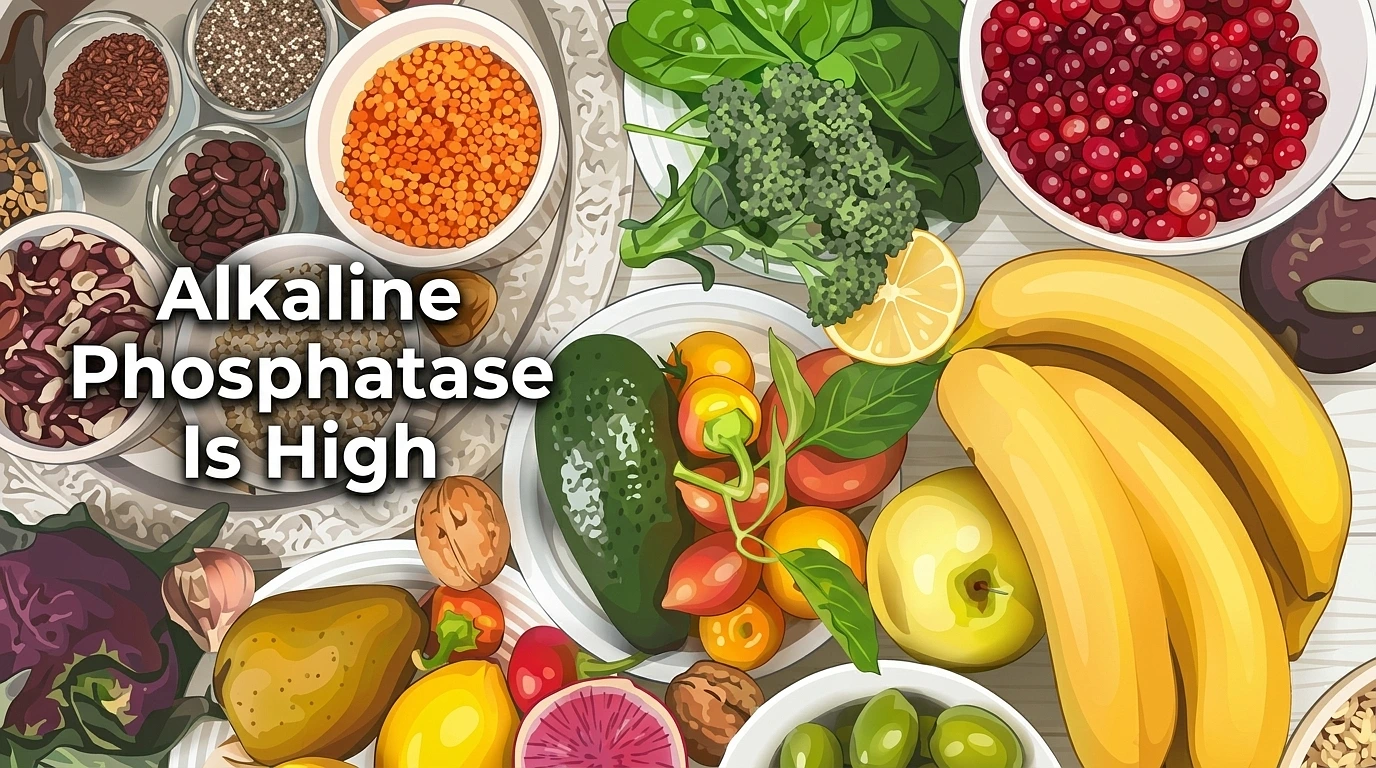
Elevated alkaline phosphatase (ALP) levels includes avoiding excess sodium, added sugars, saturated fats, processed meats and alcohol, as well as maintaining good liver and bone health. Eating a diet rich in whole foods with lower levels of protein and fats can help to control the root cause of high enzyme levels.
High levels of alkaline phosphatase (ALP) are raised on blood tests and may be a red flag for other problems, such as liver, bone or other problems. ALP is an enzyme which is more abundant in the liver, bile ducts, bones, kidneys and intestines. Its main function is the degradation of protein and other important functions such as bone mineralization and bile acid metabolism. Again, children and pregnant women naturally have higher levels of ALP because of the activity of growth and the placenta, normal ranges for adults are 30 to 130 international units per liter (IU/L) depending on age, sex and laboratory standards. When the level of ALP is high, this does not necessarily indicate the presence of disease, but if the level is sustained over an extended period, it could be investigated for the presence of serious diseases.Key Foods to Avoid and Why
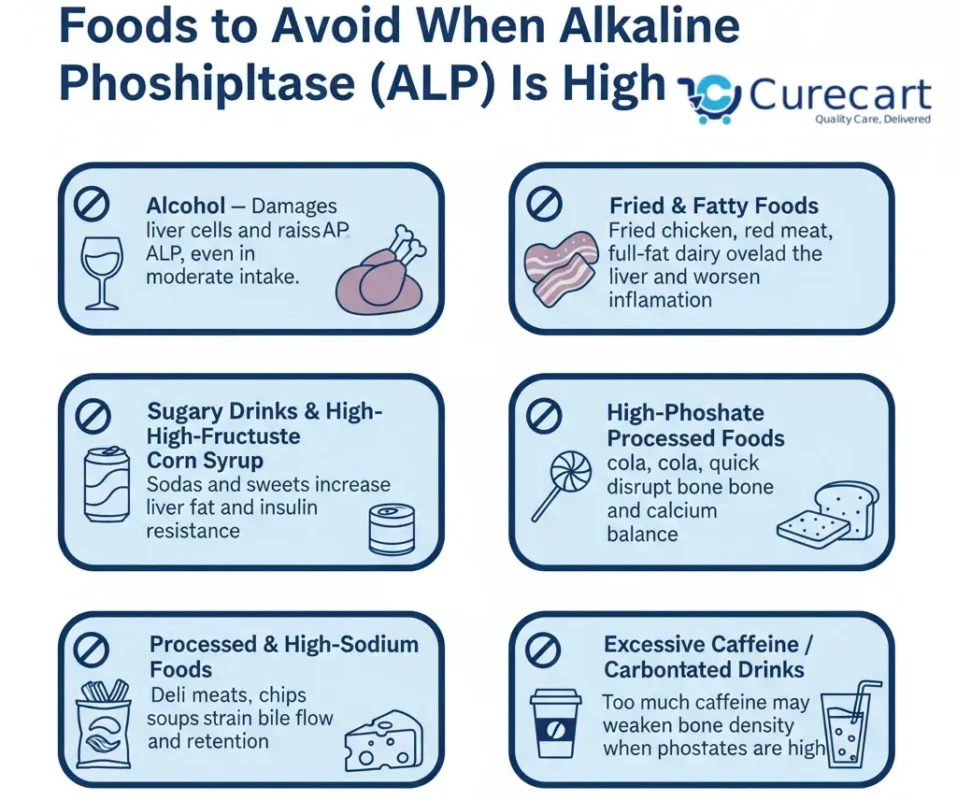
The following foods from evidence have been found to be exacerbating foods to high ALP. The avoidance is especially important for liver causes which are more common in adults. The amounts and how often are important; in moderate cases, moderation might be enough; in cases of confirmed liver or bone disease, the amounts should be restricted.
Alcohol:
One of the worst offenders is alcohol, as it can directly cause liver cell damage, and can cause fat to accumulate in the liver, resulting in high ALP levels in situations such as alcoholic hepatitis or cirrhosis. Even low intake can cause irritation to the bile ducts, which can make obstructions worse. Chronic drinking has been found to be associated with sustained increases in enzymes and abstinence is crucial to recovery.
Fried and Fatty Foods:
High fat foods that raise common ALP in the liver, such as fried chicken, French fries, fatty red meats and full fat dairy products, exacerbate the effects of NAFLD and cholestasis elevators of common ALP in the liver. Saturated fats raise inflammation and triglyceride levels, which are bad for the liver. Animal studies have shown that high fat diets elevate the concentration of ALP, ALT and AST, while fibrerich diets lead to a decrease in concentrations (The beneficial impact of plant based fiber-enriched diet on hepatic enzymes in streptozotocin induced diabetic rats, Future Foods, 2023). Instead, go for lean meat and plant fat.
Sugary Drinks and High-Fructose Corn Syrup:
High-fructose corn syrup, sodas and candies increase insulin resistance and liver fat and contribute to NAFLD. In an animal study in 2020, high-fructose diets were shown to cause high ALP due to oxidative stress. These too are factors in obesity, which is a risk factor for elevations of ALP in the metabolic range.
Processed and High-Sodium Foods:
Canned soups, ultra-processed snacks, deli meats and chips keep the water in, and strain the bile flow, while the preservatives added to these foods put a load on the liver. Edema in liver disease is aggravated by high sodium, which is a contributing factor to elevated ALP. Cross-sectional data indicate a relationship between ultra-processed intake and enzyme abnormalities and fatty liver.
High Phosphate Processed Foods:
Reduce amounts of colas, processed cheeses, quick breads, etc. containing phosphate if these are caused by bone turnover (such as Paget’s disease). Too much phosphates can upset calcium balance, which makes remodeling more difficult. Generally, dairy that is natural is okay in amounts but do look for additives on the labels.
Excessive Caffeine and Carbonated Drinks:
While moderate coffee drinking may help to reduce ALP, large amounts of caffeine or carbonated beverages may result in bone mineral leaching, which could also lead to higher ALP levels in the body.
Additional Considerations:
Avoid excessive vitamin A from supplements or organ meats like liver, as high doses stress bones. Smoking, though not a food, amplifies risks and should be quit. For low ALP (opposite issue), zinc- and magnesium-rich foods raise levels, but that’s irrelevant here (Low Alkaline Phosphatase (ALP) In Adult Population an Indicator of Zinc (Zn) and Magnesium (Mg) Deficiency, diet and nutrition Sciences, 2017).
Foods to Include for Support:
To balance the food, use ALP friendly foods: Leafy greens, oats, soy, fruits and veggies for phytochemicals and fiber. If deficiency is a possibility, zinc, such as oysters, or nuts, may help, but can cause elevated ALP levels if they are already elevated (Do Certain Foods Raise Alkaline Phosphatase Levels?, Livestrong.com, 2019). Have a well-balanced diet to aid in the detoxification and healthy bone formation.
The focus here is on foods to avoid, backed by evidence from authoritative sources, alongside supportive lifestyle tips. Remember, dietary adjustments should complement medical advice, not replace it consult a healthcare provider for personalized guidance, especially if symptoms like fatigue, jaundice, or bone pain are present.
What Causes High Alkaline Phosphatase Levels?
Other things can cause high ALP, but most often it is due to liver or bone disease. Most cases are caused by liver disease in which the enzyme is released into the blood either as a result of damage to the liver cells (hepatocytes) or due to blockage of bile flow. The most common causes of common liver are non-alcoholic fatty liver disease (NAFLD), hepatitis, cirrhosis and blockage of the bile duct, which can occur due to gallstones or primary biliary cholangitis (PBC). Bone related elevations are caused by too much activity by osteoblasts such as in Paget’s disease, osteomalacia, fractures or some cancers (osteogenic sarcoma).
Others include pregnancy (placental ALP) and certain medications (e.g. antibiotics or anticonvulsants) and even temporary causes like a heavy fatty meal, which can slightly raise the levels in blood types O or B (Alkaline Phosphatase, StatPearls – NCBI Bookshelf, 2023). Genetic factors may also play a role: A high level of Intestinal Alkaline Phosphatase is Protective Against Type 2 Diabetes Mellitus Irrespective of Obesity (EBioMedicine, 2015). Diagnostic approach includes fractionating ALP isoenzymes to identify the source of the elevated ALP, and liver-specific testing includes gamma-glutamyl transferase (GGT) as well as imaging tests for assessment of bone (Diagnostic Approach to Abnormal Alkaline Phosphatase Value, Mayo Clinic Proceedings, 2025).
Symptoms vary according to the cause of the toxicity, for example jaundice (liver) and bone pain, deformity and fractures. Obesity, alcohol, viral infections and nutrient imbalance are risk factors. Interestingly, one study of more than 15,000 adults has shown that higher levels of ALP are associated with higher mortality rates from all causes and cardiovascular disease (Associations of serum alkaline phosphatase level with all-cause and cardiovascular mortality: The National Health and Nutrition Examination Survey 1999–2016, Frontiers in Endocrinology, 2023).
The Role of Diet in Managing High ALP
Diet cannot directly lower ALP, but will support the organs involved and over time may help to stabilise or decrease the levels. Liver-dominant elevations are helped by low-fat, anti-inflammatory diets. Modest increase in the level of the activity of ALP, 6% relative to balanced diets, has been confirmed with caloric surplus diet (high calorie and high carbohydrate) diet (The influence of diet upon liver function tests and serum lipids in healthy male volunteers resident in a Phase I unit, British Journal of Clinical Pharmacology 2004). Contrary to this, a plant-based, fiber-rich diet was shown to decrease hepatic enzymes (such as ALP) in diabetic and fatty liver models (The beneficial impact of plant-based fiber-enriched diets on hepatic enzymes in streptozotocin-induced diabetic rats, Future Foods, 2023).
A higher consumption of phytochemicals from fruits and vegetables was associated with reduced liver ALP in Middle Eastern adults (Dietary phytochemical consumption is inversely associated with liver ALP in Middle Eastern adults, PLoS One, 2022). In bone related highs, decreasing the level of excess phosphates or vitamin A will help to maintain mineral balance, albeit indirectly. To summarize, the Mediterranean diet, which is full of whole foods, shows potential in helping liver health and normalize enzymes.
Tips Beyond Diet
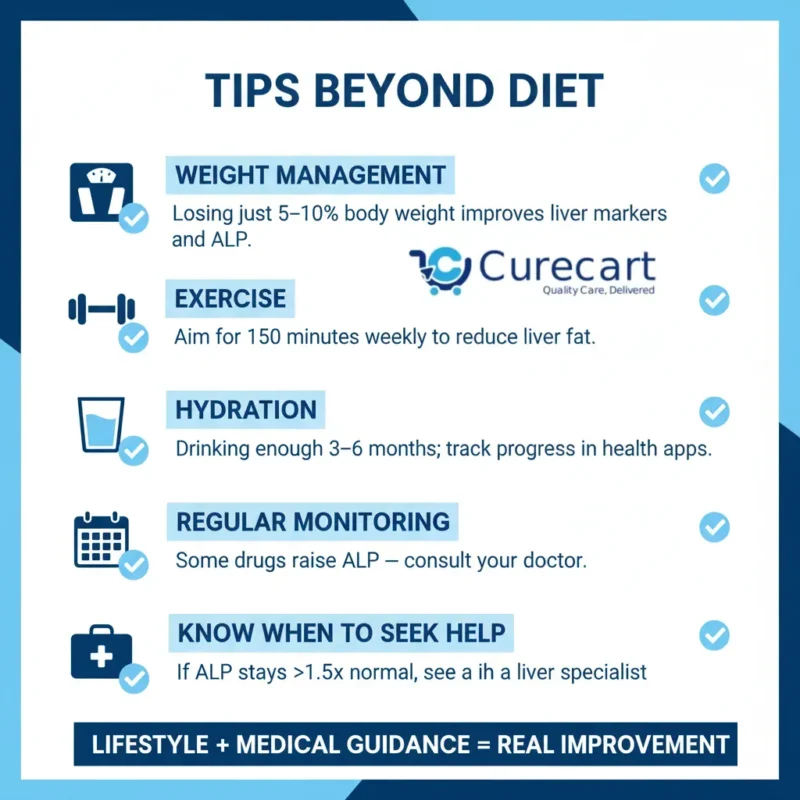
- Weight Management: 5-10% weight loss will improve the fatty liver markers and ALP.
- Exercise: Get 150 minutes of active exercise each week, which will help to reduce liver fat.
- Hydration: Ensure you have enough water which helps to facilitate the flow of bile.
- Monitoring: Re-test ALP in 3-6 months; track using apps.
- Medications: Check with a physician certain drugs increase ALP.
- Persistent highs (more than 1.5 times normal) or symptoms specialist input required, e.g. hepatologist.
To sum up the management of high ALP, it is important to try and manage the cause with diet (so avoid alcohol, fat, sugar and processed foods). There is evidence to back these changes up for liver and bone health, but they work best with medical treatment.
References:
- What Foods To Avoid If Alkaline Phosphatase Is High – Nourish (2024).
- Alkaline Phosphatase (ALP): Tests and Results – WebMD (2025).
- Dietary phytochemical consumption is inversely associated with liver alkaline phosphatase in Middle Eastern adults – PLoS One (2022).
- The influence of diet upon liver function tests and serum lipids in healthy male volunteers resident in a Phase I unit – British Journal of Clinical Pharmacology (2004).
- Low Alkaline Phosphatase (ALP) In Adult Population an Indicator of Zinc (Zn) and Magnesium (Mg) Deficiency – Food and Nutrition Sciences (2017).
- Alkaline Phosphatase (ALP) blood test – Mayo Clinic (2025).
- A High Level of Intestinal Alkaline Phosphatase Is Protective Against Type 2 Diabetes Mellitus Irrespective of Obesity – EBioMedicine (2015).
- Diagnostic Approach to Abnormal Alkaline Phosphatase Value – Mayo Clinic Proceedings (2025).
- Foods That Lower Alkaline Phosphatase – Everyday Health.
- Associations of serum alkaline phosphatase level with all-cause and cardiovascular mortality: The National Health and Nutrition Examination Survey 1999–2016 – Frontiers in Endocrinology (2023).
- The beneficial impact of plant-based fiber-enriched diets on hepatic enzymes in streptozotocin-induced diabetic rats – Future Foods (2023).
- Alkaline Phosphatase – StatPearls – NCBI Bookshelf (2023).
- Alkaline Phosphatase: MedlinePlus Medical Test.