
Ivermectin: Uses, Dosage & Side Effects

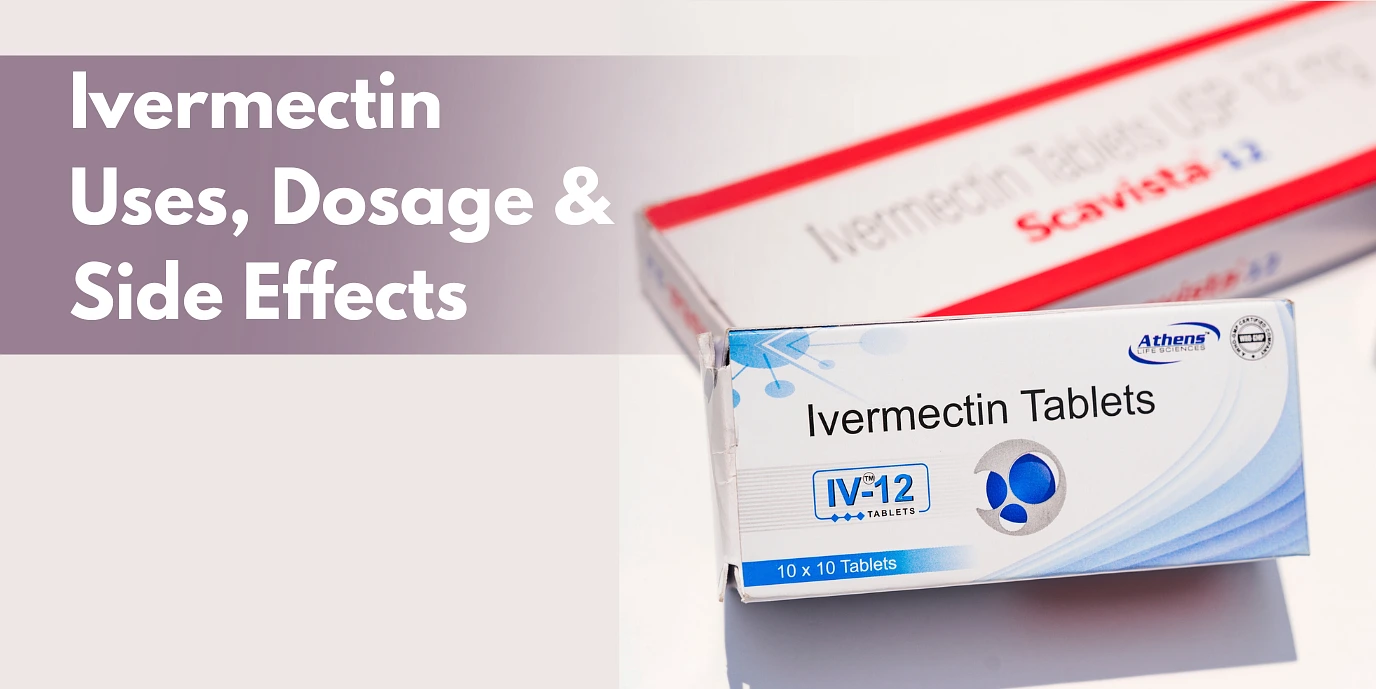
An anthelmintic drug that is prescribed. It works by interfering with the nerve and muscle functions of worms, paralyzing and killing them. Available as oral tablets (3 mg), topical cream and topical lotion, under the brand name Stromectol and as a generic. It is an essential drug according to WHO.
What Is Ivermectin?
Ivermectin is a prescription antiparasitic medication used to treat infections caused by certain parasites including roundworms, threadworms, mites, and lice. It works by interfering with the nerve and muscle functions of worms, paralyzing and killing them.
First introduced in the 1980s, ivermectin has saved millions of lives worldwide, particularly in tropical regions. The World Health Organization lists it as an essential medication because of its role in treating parasitic infections that affect millions of people globally.
It is sold under the brand name Stromectol and as a generic. For human use, it comes in three forms:
- Oral tablets typically 3 mg strength.
- Topical cream (Soolantra) for rosacea.
- Topical lotion (Sklice) for head lice; available over the counter.
Approved Uses of Ivermectin
1. Strongyloidiasis (Intestinal Worm Infection):
Caused by the parasitic roundworm Strongyloides stercoralis, this infection is common in tropical and subtropical regions. Ivermectin clears the parasite from the intestines and is considered the first-line treatment.
2. Onchocerciasis (River Blindness):
A parasitic infection caused by Onchocerca volvulus, transmitted through black fly bites. Left untreated, it can lead to severe skin disease and permanent blindness. Ivermectin kills the larvae, helping prevent vision loss and reduce transmission.
3. Head Lice (Topical):
Sklice lotion is applied directly to the scalp and is available over the counter to treat head lice infestations.
4. Rosacea (Topical):
Soolantra cream is used to treat inflammatory lesions of rosacea, a chronic skin condition.
Off-Label Uses:
Doctors sometimes prescribe oral ivermectin off-label for scabies, lice infestations, and other parasitic conditions when topical treatments are not suitable.
Ivermectin Is Not Approved for COVID-19
The animal ivermectin products are not the same as those that are approved for humans. Using animal ivermectin to prevent or treat COVID-19 in humans is risky and has resulted in hospitalisation of many people. The FDA, WHO, and EMA among other leading health organizations have not recommended the use of ivermectin to treat COVID-19 outside of clinical trials.
Dosage Guidelines of Ivermectin
Ivermectin dosing is based on body weight and the specific infection being treated. It is usually taken as a single oral dose on an empty stomach with a full glass of water.
For Strongyloidiasis
The dose is usually 150 micrograms per kilogram of body weight taken as a single dose. Using 3 mg tablets:
| Body Weight | Single Dose |
|---|---|
| 15–25 kg | 1 tablet |
| 26–44 kg | 2 tablets |
| 45–64 kg | 3 tablets |
| 65–84 kg | 4 tablets |
| 85 kg or more | 150 mcg/kg |
For Onchocerciasis (River Blindness)
The dose is usually 200 micrograms per kilogram of body weight taken as a single dose, and treatment may be repeated every 3 to 12 months.
For Children
Appropriate studies have not been performed on children weighing less than 15 kilograms. For children under that weight, dosing must be determined by a doctor.
Important Notes
- Take on an empty stomach, at least 1 hour before food.
- Do not crush or chew unless your prescriber tells you to.
- A stool examination may be needed several weeks after treatment to confirm the infection is cleared.
- Never self-adjust the dose overdose can cause serious toxicity.
Side Effects of Ivermectin
Most people tolerate ivermectin well at standard doses. However, side effects can still occur.
Common Side Effects (Mild)
- Dizziness or drowsiness
- Fatigue or weakness
- Nausea, vomiting, or stomach pain
- Diarrhea or constipation
- Loss of appetite
- Itchy skin or mild rash
- Headache
- Muscle aches
These usually resolve on their own after treatment ends.
Serious Side Effects (Seek Medical Help)
- Allergic reactions: hives, difficulty breathing, swelling of the face, lips, tongue, or throat
- Eye pain, redness, puffy eyes, or problems with vision
- Severe skin reactions, including Stevens-Johnson syndrome
- Swelling of the hands, feet, or joints
- Severe dizziness or fainting
- Confusion, seizures, or loss of coordination
- Yellowing of the skin or eyes (signs of liver problems)
- Fast or irregular heartbeat
Mazzotti Reaction
Therapy of onchocerciasis with ivermectin can cause a Mazzotti reaction (immune response) that can cause fever, itching, swollen lymph nodes, and painful swelling of the joints. This is not the effect of the drug itself, but a reaction to the body’s response to dead parasites.
Warnings, Precautions & Drug Interactions
Who Should Be Cautious
- Pregnant or breastfeeding women discuss risks and benefits with a doctor.
- People with liver disease may need dose adjustments and monitoring.
- People with a weakened immune system may require repeated dosing.
- Children under 15 kg safety and dose must be determined by a doctor.
- Older adults may be more sensitive to side effects.
Drug Interactions
Taking warfarin with ivermectin can thin the blood too much and cause harmful bleeding. If these drugs are used together, a doctor will monitor blood clotting closely.
Other potential interactions include:
- Sedatives and benzodiazepines (may increase drowsiness).
- Other medications that affect the central nervous system.
- Drugs metabolized by similar liver enzymes.
Always share a complete list of medications, supplements, and herbs with your prescriber.
Danger: Veterinary Ivermectin
Veterinary product formulations for large animals, including horses, sheep and cattle, are usually very strong and can lead to overdosing in humans. Overdose symptoms may range from severe vomiting to low blood pressure, confusion, seizures, coma and death. Never take animal ivermectin.
Advice for Readers
If you think you may need ivermectin, follow these steps:
- Get a proper diagnosis. Parasitic infections require lab confirmation. Symptoms like itching or stomach pain can have many causes self-diagnosing leads to wrong treatment.
- Only take ivermectin prescribed by a licensed doctor. Avoid online pharmacies that sell it without a prescription. Counterfeit products are a real risk.
- Never use animal formulations. Pet-store or livestock ivermectin is not safe for humans, regardless of how it is dosed down.
- Follow the dose exactly. Taking more does not work faster it raises the risk of toxicity.
- Tell your doctor about every medicine you take. Including supplements, vitamins, and herbal products.
- Watch for serious side effects in the first 24-48 hours. Seek emergency care for breathing problems, swelling of the face or throat, severe skin reactions, or seizures.
- Follow up. For intestinal parasites, a repeat stool test is usually needed to confirm the infection is gone.
- Do not use it for unproven indications. Ivermectin is not a cure-all. Using it for conditions where it has no proven benefit like COVID-19 exposes you to risk without reward.
Disclaimer
This article contains information and education only, and is not a substitute for professional medical advice, diagnosis or treatment. Ivermectin is a prescription drug and dosage, safety, and suitability is based on the individual and determined by a qualified health care provider. It is always important to talk to a licensed doctor or pharmacist before beginning, stopping or changing medications, and never use veterinary ivermectin formulations. If you have any serious side effects, get emergency medical care.