
Norethisterone: What It’s For, What It Clashes With, and How It Actually Works
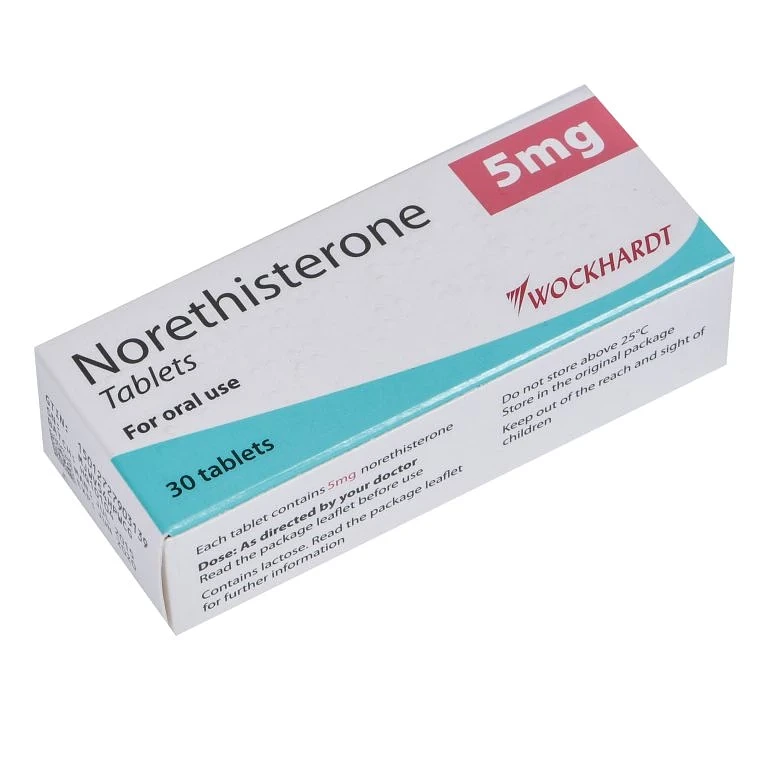
A woman walks into a pharmacy two weeks before her wedding and asks if there’s anything to stop her period showing up on the day. Nine times out of ten, the answer she gets is norethisterone. That’s how most people first run into it, that or a GP suggesting it for periods so heavy they’re planning their month around them. In the US it’s sold as norethindrone, which catches people out when they’re reading an American forum at 1am.
It's a synthetic progestogen, a lab-built copy of progesterone, the hormone the ovaries make anyway. It's been in clinical use since the late 1950s, which is worth knowing: this isn't some new compound with a thin safety record. Decades of data sit behind it. Doctors use it for contraception, to protect the womb lining during HRT, and for hormone-driven conditions like endometriosis.

Before You Take It
It isn’t for everyone. Active liver disease rules it out. So does a history of blood clots, hormone-sensitive cancers, or vaginal bleeding nobody has explained yet. Smoking lifts the heart attack and stroke risk while you’re on it, and your age and any other clotting risks stack onto that, more so at the higher doses.
What people run into most:
- Irregular bleeding or spotting
- Headaches
- Nausea
- Sore breasts
- Mood shifts
Most of it fades as the body adjusts, usually inside the first couple of months. The one that isn’t “wait and see” is sudden or severe pain in the stomach area, or a swollen, painful calf, which is a same-day call to a doctor, not a wait-and-monitor.
This is general information, not advice built around you. Doses and whether it even suits you vary person to person, so the conversation that counts is with a doctor or pharmacist who knows your history.
How It Works
Progesterone receptors aren’t only in the womb. They’re in bone, breast tissue, the pituitary, the hypothalamus, the central nervous system. Norethisterone fits into those receptors and shifts how certain genes behave, and what you actually get out of that depends on the dose. This is the part people miss: the same drug is a contraceptive at one dose and a period treatment at another.
For contraception, three things happen together. Cervical mucus is the main one. The drug thickens it until sperm can’t push through. The womb lining thins and grows unevenly, so a fertilised egg has nowhere to settle. And in the brain, it slows the GnRH signal, which flattens the LH surge and stops an egg maturing at all. Three locks on one door.
For period problems, the lining effect is the whole game. A calmer lining bleeds less, which is why the FSRH and NICE both list it as an option for heavy menstrual bleeding when someone can’t or won’t use an IUD.
Worth flagging: at the doses used to delay a period, usually 5mg three times a day, a small amount of norethisterone converts to ethinylestradiol, the oestrogen in a combined pill. That’s the reason high-dose use carries a clot risk that the low-dose mini-pill doesn’t. It’s not a quirk, it’s pharmacology, and it’s why the period-delay tablets aren’t handed to just anyone.
What Doctors Prescribe It For

The dose tracks the job, so don’t read one person’s prescription as a guide to your own.
- Heavy periods (menorrhagia). The common one. Typically 5mg three times daily from day 5 to day 26 of the cycle, and the bleeding eases off.
- Painful periods (dysmenorrhoea). Settles the cycle, takes the edge off the cramps.
- Endometriosis. Slows the misplaced tissue and brings the pain down, often used continuously rather than cyclically.
- Delaying a period. The famous one. Three tablets a day, started three days before you’re due. The bleed turns up two or three days after the last one.
- Contraception. Either the low-dose progestogen-only mini-pill, or as part of some combined pills with oestrogen.
- PMS and erratic cycles. Used occasionally, not a first pick.
One thing that genuinely matters: the brands aren’t interchangeable. Aygestin and the period-treatment versions sit at a very different strength to a mini-pill. Whatever your prescriber named, stick to that, at that dose.
What It Clashes With

A decent list of drugs either weaken norethisterone or change how the body handles it, and most of the trouble runs through one liver enzyme, CYP3A4. Anything that speeds that enzyme up burns through the drug faster, which is usually the cue for a doctor to switch you.
- Enzyme-inducing drugs. They hurry the liver and drop the blood level. The regulars: some epilepsy health medicines (carbamazepine, phenytoin, fosphenytoin, phenobarbital and other barbiturates, topiramate), the TB drugs rifampicin and rifabutin, and a few HIV medicines. If you’re using it as contraception, this is the interaction that lets you down, so a backup method isn’t optional.
- St John’s Wort. People forget this one because it’s herbal and sold off the shelf. It’s a strong inducer and weakens cover exactly like the prescription drugs do.
- Acitretin. Contraindicated outright, the contraception can fail.
- The longer list. Anticoagulants, diabetes medicines, griseofulvin, mifepristone, retinoic acid derivatives, selegiline, thalidomide.
- HIV protease inhibitors. Push progestogen levels up or down depending on the exact drug, so they need a proper look.
- Lamotrigine. Two-way. The hormone can lower lamotrigine and unsettle seizure control, so it gets monitored.
- Ciclosporin. Levels creep up, because norethisterone slows how fast the body clears it.
And the myth that refuses to die: that antibiotics wreck the pill. The FSRH dropped that guidance years ago for everyday antibiotics like amoxicillin. The only ones that still count are the enzyme-inducers, rifampicin and rifabutin.