
Osteopur: Boost Bone Health Naturally and Safely

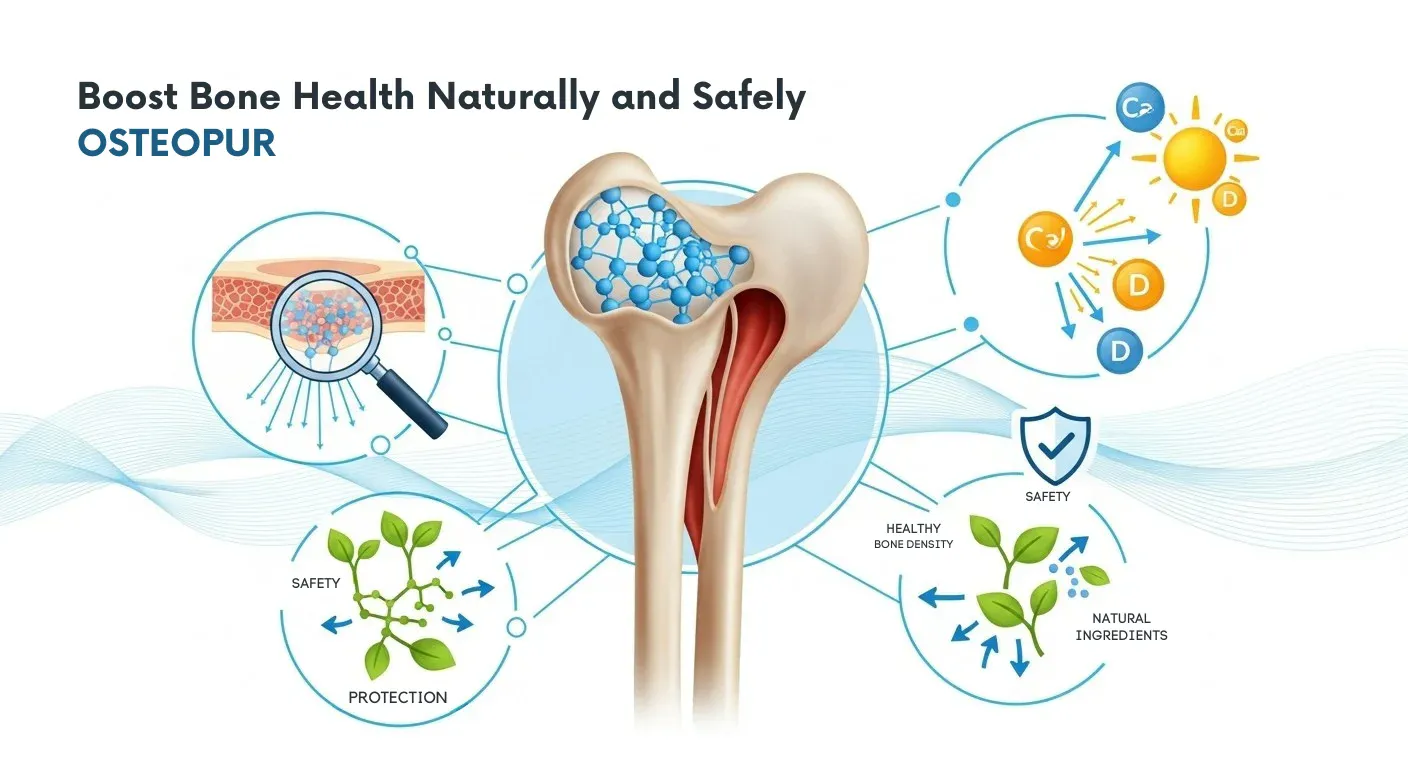
Bones are dynamic tissues that are constantly rebuilt throughout life, with peak density reached around age 25. Maintaining bone health is critical for long-term, active living, as the skeleton supports the body and serves as a mineral reserve. NICApur Osteopur-Komplex is a dietary supplement designed to support normal bone structure and density. It provides natural sources of calcium and phosphorus from microcrystalline hydroxyapatite and coral calcium, combined with Vitamin K2, magnesium, and Vitamin D3 to support proper mineral absorption and maintenance. The formula also includes a poly-herbal complex of green tea, turmeric, and pomegranate extracts. The product is free of artificial colors and preservatives, gluten, and lactose. This provides a natural, comprehensive, and potentially gentle alternative for individuals seeking to proactively support their bone health.
Your skeleton is more than just a structural frame. It’s living tissue that constantly remodels itself, breaking down and rebuilding throughout your entire life. This process reaches its peak around age 30, after which bone loss can begin to outpace new bone formation. Understanding how to protect and strengthen your bones now can prevent serious health complications later.
The Silent Epidemic
Osteoporosis affects over 200 million people globally. This condition weakens bones to the point where they become fragile and prone to fractures, often without any warning signs until a bone actually breaks. According to research published in the Journal of Bone and Mineral Research by Burge and colleagues, osteoporosis-related fractures create both an immense personal and economic burden.
Women face particularly high risk, especially after menopause when estrogen levels drop dramatically. However, men aren’t immune. While women experience osteoporosis more frequently, men who do sustain hip fractures face double the mortality rate of women within the first year.
Calcium Your Bone’s Building Block
Your body contains about 1,200 grams of calcium, with 99% of it stored in your bones and teeth. Adults need between 800-1,200 mg of calcium daily, depending on age and gender. Since your body cannot produce calcium on its own, you must obtain it through diet or supplementation.
The best food sources include:
- Dairy products like milk, yogurt, and cheese
- Leafy green vegetables including kale and collard greens
- Canned sardines and salmon with bones
- Fortified plant-based milks
- Almonds and sesame seeds
For those with lactose intolerance or following plant-based diets, fortified foods and quality supplements can effectively fill nutritional gaps.
Vitamin D The Essential Partner
Calcium alone isn’t sufficient for strong bones. Vitamin D plays a crucial role in helping your body absorb calcium from your digestive tract. Without adequate vitamin D, you could consume plenty of calcium yet still develop weak bones.
Your skin naturally produces vitamin D when exposed to sunlight. However, many people don’t get enough sun exposure, particularly during winter months or in northern climates. A narrative review published in Nutrients examining randomized clinical trials from 2016-2022 found that calcium combined with vitamin D supplementation leads to increases in bone mineral density, while vitamin D alone does not produce the same effect.
According to the National Institute of Arthritis and Musculoskeletal and Skin Diseases, most adults benefit from 600-800 IU of vitamin D daily, though individual needs may vary based on blood test results and specific health conditions.
Food sources of vitamin D include fatty fish like salmon and mackerel, egg yolks, and fortified foods such as milk and breakfast cereals.
Exercise Movement Builds Strength
Your bones respond to physical stress by becoming stronger. Weight-bearing exercises force your body to work against gravity, stimulating new bone formation. A comprehensive review published in BioMed Research International examining multiple systematic reviews found that progressive resistance strength training for the lower limbs appears most effective for improving bone mineral density at the femoral neck.
Effective bone-building activities include:
- Walking, jogging, or hiking
- Dancing and aerobics
- Tennis, racquetball, and other court sports
- Stair climbing
- Resistance training with weights or bands
Research from the University of Michigan found that just 15-20 minutes of weight-bearing exercise three days per week can be sufficient for building bone density. The key is consistency and progressively challenging your body over time.
Protein The Overlooked Essential
About 50% of bone volume consists of protein. A systematic review and meta-analysis published in The Journal of Bone and Mineral Research found that higher protein intake is associated with better bone density and fewer fractures in older adults.
Aim for 0.8-1.0 grams of protein per kilogram of body weight daily. Quality sources include lean meats, fish, eggs, legumes, and dairy products. Both animal and plant proteins can support bone health when consumed as part of a balanced diet.
Supporting Nutrients
Beyond calcium and vitamin D, several other nutrients play important roles:
Magnesium helps convert vitamin D into its active form and approximately 60% of your body’s magnesium is stored in bones. Green vegetables, nuts, seeds, and whole grains provide magnesium.
Vitamin K2 activates proteins that bind calcium to bones. Fermented foods like natto, certain aged cheeses, and egg yolks contain this nutrient.
The Bone Depleting Habits
Several lifestyle factors accelerate bone loss:
Smoking damages bone-forming cells and restricts blood flow to bones. Research published in BMC Geriatrics analyzing data from the Taiwan Biobank found that participants who smoked tobacco were significantly more likely to develop osteoporosis compared to non-smokers. The study examined over 18,000 participants and found that those who both smoked and consumed alcohol had even higher osteoporosis risk.
Excessive alcohol consumption interferes with calcium absorption and disrupts hormone balance. A systematic review and meta-analysis published in Drug and Alcohol Dependence found that people consuming two or more drinks per day had 1.63 times the risk of developing osteoporosis compared to abstainers. Heavy drinking prevents the pancreas from absorbing calcium and vitamin D properly, and affects the liver’s ability to activate vitamin D.
High sodium intake causes calcium to be excreted through urine, depleting your body’s calcium stores.
Sedentary lifestyle signals your body that strong bones aren’t necessary. Without regular mechanical stress, bones become progressively weaker.
The Prune Advantage
Emerging research suggests that dried plums may offer unique benefits for bone health. A 12-month randomized controlled trial published in The American Journal of Clinical Nutrition examined 235 postmenopausal women and found that consuming 50-100 grams of prunes daily helped preserve hip bone mineral density compared to a control group.
A comprehensive review published in Nutrients in 2017 analyzing 24 studies found that animal and cell studies suggest dried plums enhance bone formation and inhibit bone resorption through their effects on cell signaling pathways. The review noted that clinical studies show dried plums may beneficially affect bone mineral density, though more long-term prospective studies are needed.
The bone-protective effects may stem from the variety of phenolic compounds present in prunes, which appear to exert anti-inflammatory and antioxidant effects.
Know Your Numbers
Bone density testing using dual-energy X-ray absorptiometry is recommended for:
- Women over 65
- Men over 70
- Younger individuals with risk factors including family history, previous fractures, or long-term steroid use
The test is painless, quick, and provides valuable information about your bone health status.
Building Your Bone Health Strategy
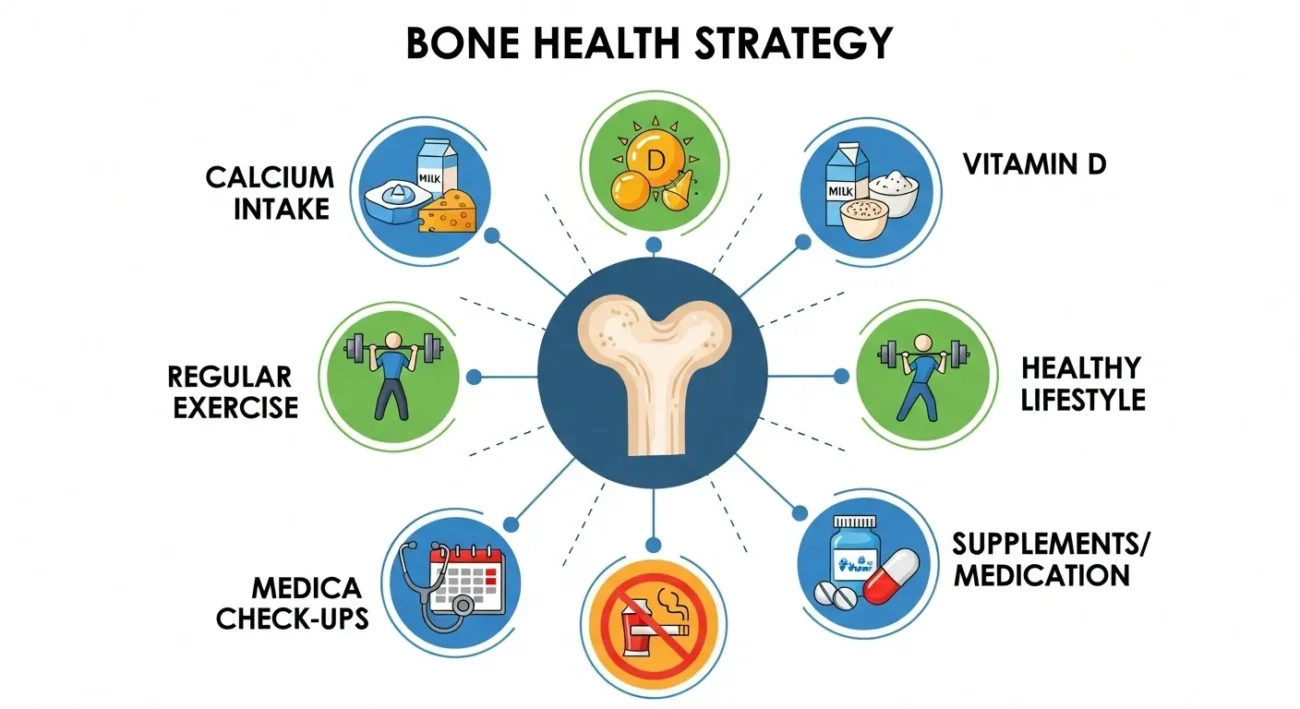
Protecting your bones requires a multifaceted approach:
- Ensure adequate calcium intake through diet and supplements when necessary
- Maintain optimal vitamin D levels through sun exposure, food, and supplementation
- Engage in regular weight-bearing exercise at least 3-4 times weekly
- Consume sufficient protein from diverse sources
- Eliminate or reduce smoking and excessive alcohol consumption
- Include magnesium and vitamin K2-rich foods in your diet
Your bones have supported you throughout your life. The choices you make today from the foods you eat to how you move your body directly impact your skeletal strength decades into the future. Start with one or two changes and build from there. Small, consistent actions compound over time to create lasting bone health. Whether you’re in your 20s building peak bone mass or in your 60s working to preserve what you have, it’s never too early or too late to invest in your bone health. Your future self will thank you for every bone-strengthening decision you make today.
References:
- Decoding osteoporosis: Understanding the disease, exploring current and new therapies and emerging targets – Journal of Orthopaedic Reports, December 2024
- Vitamin D and Calcium in Osteoporosis, and the Role of Bone Turnover Markers: A Narrative Review of Recent Data from RCTs – Nutrients, February 2023
- Effect of Calcium and Vitamin D Supplementation on Bone Density in Men and Women 65 Years of Age or Older – New England Journal of Medicine, 1997
- Calcium plus vitamin D supplementation and risk of fractures: an updated meta-analysis from the National Osteoporosis Foundation – Osteoporosis International, 2015
- The Effectiveness of Physical Exercise on Bone Density in Osteoporotic Patients – BioMed Research International
- The impact of adding weight-bearing exercise versus non weight bearing programs to the medical treatment of elderly patients with osteoporosis – Journal of Musculoskeletal & Neuronal Interactions
- Dried Plums, Prunes and Bone Health: A Comprehensive Review – Nutrients, April 2017
- The Role of Prunes in Modulating Inflammatory Pathways to Improve Bone Health in Postmenopausal Women – Advances in Nutrition, 2022
- Smoking, alcohol consumption, drug abuse, and osteoporosis among older adults: a cross-sectional study on PERSIAN cohort study in Fasa – BMC Geriatrics, January 2024
- Effects of sex, tobacco smoking, and alcohol consumption osteoporosis development: Evidence from Taiwan biobank participants – Scientific Reports
- The effect of alcohol on osteoporosis: A systematic review and meta-analysis – Drug and Alcohol Dependence, 2019
- Alcohol and Other Factors Affecting Osteoporosis Risk in Women – Alcohol Research & Health
- Osteoporosis: An Update on Screening, Diagnosis, Evaluation, and Treatment – Orthopedics, 2023