Pappedeckel: The Sustainable Choice for Health
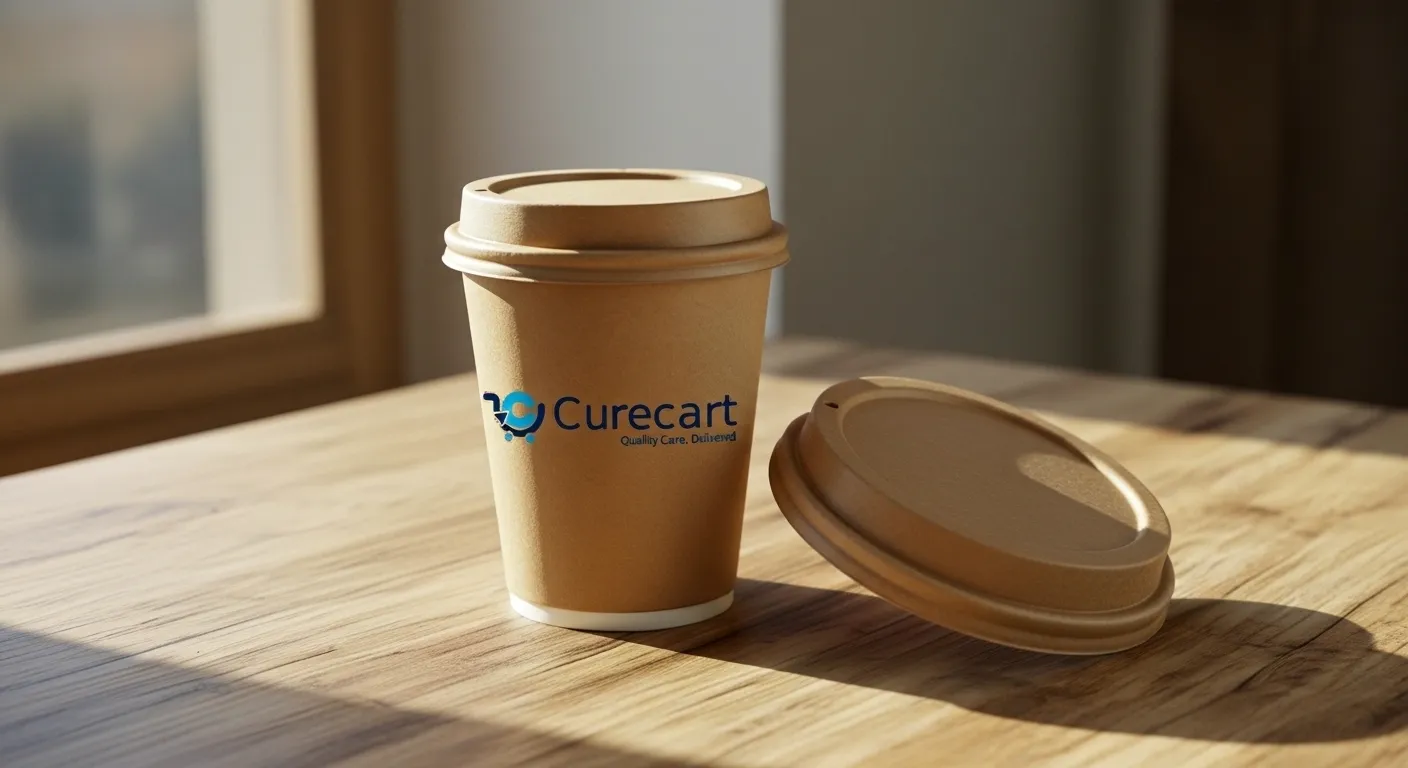
Imagine ordering your favorite coffee, and instead of a plastic lid, your cup arrives with a sturdy cardboard cover that is compostable, safe for your health, and better for the planet. That’s the promise of Pappedeckel literally “cardboard lid” in German but with wide implications far beyond simple lids. I’ll walk you through what makes Pappedeckel a smart, healthy, and sustainable choice. You’ll learn how it’s made, where it’s used, what problems it faces, and how it stacks up against competing materials.
What Is Pappedeckel
“Pappedeckel” comes from two German words Pappe (cardboard) and Deckel (lid or cover). In practice, it refers to a cover or lid made of cardboard or paperboard. It’s often used in food packaging (coffee cups, takeaway containers, bakery boxes), but the term has broadened to include a variety of cardboard covers and lids used across industries.
While many online articles focus on Pappedeckel as just an eco-friendly lid alternative, few delve deeply into its health implications, material science, or innovations. My goal here is to go deeper and also add value that many competing posts lack.
How Is Pappedeckel Made
Understanding the manufacturing process helps show both the strengths and the constraints. Here’s a simplified step-by-step:
Material sourcing
Manufacturers usually start with paper fibers often recycled fibers or sustainably managed wood pulp. Many Pappedeckel products aim for FSC certification (or a similar forest sustainability standard) to guarantee the raw wood is responsibly sourced.
Pulping & fiber treatment
The raw fibers are cleaned, pulped, and sometimes blended with additives to improve strength or disintegration properties. Because these lids often come into contact with food or hot liquids, purity and non-toxicity of the additives are critical.
Forming & die cutting
Large sheets or rolls are pressed, cut, and shaped into the required lid design (circular, square, etc.). Precision die-cutting ensures tight fits and uniform edges.
Coating / barrier treatments
One challenge for plain cardboard is moisture and oil resistance. To handle that, manufacturers may apply biodegradable coatings or laminates (e.g. plant-based waxes or PLA film) on one or both sides of the lid. These coatings are designed to resist wetness or grease while remaining compostable or easily separable during recycling.
Printing / branding
Many commercial lids are branded. Printing uses food safe, low VOC inks (volatile organic compounds) to avoid off-gassing or contaminating the food.
Packaging & distribution
The finished lids are stacked, packaged, and shipped. Efficient nesting or stackable design helps reduce shipping volume and environmental cost.
Because of these steps, every choice (source fiber, coating type, printing, adhesive) has a trade-off between cost, performance, environmental footprint, and health safety.
How Pappedeckel Is Used
Many existing blog posts mention the food/beverage use of Pappedeckel, but they often stop there. Let me extend the scope and highlight some lesser-known but promising uses.
Food & Drink Packaging
This is the most obvious domain: coffee cups, soup containers, ice cream tubs, bakery boxes any food container that needs a lid or cover. Pappedeckel replaces plastic or Styrofoam lids in these settings.
Home & Household Storage
Some households use Pappedeckel-style covers for jars, canisters, or containers. Because they are lightweight and customizable, they can also be repurposed for crafts or home use.
Retail & Product Packaging
Beyond food, Pappedeckel is starting to appear in cosmetics (cream jars, small containers), gift boxes, and even some electronics packaging. The lid becomes part of the product’s eco story.
Event & Promotional Use
Because of its printability and sustainable appeal, Pappedeckel is used for event promos, customized covers, or limited-edition branding (e.g. branded lids for festival cups).
Building & Insulation
While not mainstream, there are references to using “Pappedeckel” or corrugated cardboard technology in eco-friendly insulation materials. (In German sustainability forums, a “Pappedeckel” concept appears in ecological building design discussions.)
(This is a new angle that competitors rarely mention.)
Health Benefits and Safety

One of your guiding keywords is “health,” so let’s focus: how does Pappedeckel intersect with human health.
Reduced chemical exposure
Plastic lids may leach microplastics, additives (like BPA, phthalates), or other contaminants, especially when exposed to heat. In contrast, Pappedeckel made with food-safe fibers and coatings typically involves far fewer synthetic chemicals.
Breathability & moisture control
A well-designed Pappedeckel can allow very minimal moisture exchange (if uncoated or lightly coated), which can reduce condensation inside hot drinks and help avoid sogginess. That can enhance the drinking experience and reduce microbial growth risks. (Note: This requires good design not all lids allow this.)
Biodegradation & reduced waste accumulation
Because it decomposes more naturally, you have less long-term environmental accumulation of toxins that slowly leach into soil and water. That, in a long-term sense, reduces indirect health risks to communities near landfills or in ecosystems.
Allergen & food contact safety
Quality Pappedeckel must comply with food-contact safety standards (e.g. migration tests, inert coatings). When manufacturers follow strict standards, Pappedeckel can be just as safe for food as plastic with fewer unintentional health risks.
Lower microplastic pollution
By reducing reliance on plastic lids, Pappedeckel helps curb microplastic contamination in waterways, soil, and eventually human food chains. That makes it a healthier choice at a systemic level.
Advantages of Pappedeckel
Here’s where many blogs list benefits superficially. Let me go deeper, and then later we’ll compare with competitors to show how this is stronger.
Renewability and circularity
Since the base material (paper) can come from sustainably managed forests or recycled stock, Pappedeckel supports circular economy principles: after use, it can be composted or recycled into new paper products.
Lightweight yet functional
Cardboard is light, which means transportation emissions are lower, and handling is easier. But with clever engineering and fiber layering, Pappedeckel can still be surprisingly robust.
Customization & branding
Unlike plastic, printing and embossing on cardboard is easier and more flexible. Each lid can carry messaging, logos, QR codes, or recycling instructions. That gives brands an active communications channel without extra cost.
Cost effective at scale
While early adoption costs may be higher (more on that later), once production scales, cardboard lids can sometimes match or beat the cost of specialized plastic lids especially when factoring externalities like waste disposal costs.
Environmental footprint
Compared to plastic, production of paper/cardboard tends to involve fewer fossil-fuel inputs (depending on sourcing). Also, the decomposition or recycling process generally uses lower energy.
Consumer perception & marketing value
Consumers increasingly prefer brands that reduce plastic waste. Using Pappedeckel signals an environmental commitment and can strengthen customer loyalty.
Challenges & Solutions
Balanced writing needs to address drawbacks too. Here are the main challenges and how forward-looking firms are mitigating them:
Moisture, oil, and heat resistance
Cardboard is vulnerable to moisture hot soups, oils, sauces can soften or leak. Solutions include applying biodegradable coatings, hybrid barrier layers, or combining with thin compostable liners. Research is ongoing to develop coatings that won’t compromise compostability.
Rigidity and structural strength
In some designs, cardboard lids may flex or collapse under pressure. To solve that, manufacturers can use internal ribs, embossing, or multilayered fibers to add strength.
Cost & economies of scale
Large-scale plastic production is currently cheaper. But as demand grows, and with regulatory pressure, costs for Pappedeckel are declining. Government incentives and economies of scale help narrow the gap.
Recycling / composting infrastructure
In many regions, recycling or composting facilities for cardboard exist, but mixed material or coated versions may confuse waste systems. Clear labeling and designing for easy separation help minimize this barrier.
Consumer expectation & familiarity
Some people may expect plastic lids because that’s what they’re used to. Education and marketing are essential to help consumers embrace the change.
| Feature / Metric | Pappedeckel | Standard Plastic Lid | Aluminum / Metal Lid | Bioplastic / PLA Lid |
|---|---|---|---|---|
| Compostability | High (if designed well) | None | Low (requires energy recycling) | Moderate to high (depending on biopolymer) |
| Recycling / Circular Use | Recyclable in paper stream | Often recyclable, but contamination is issue | Recyclable with energy input | Recyclable / industrial compostable, but contamination issues |
| Chemical leaching risk | Minimal when food-safe materials used | Moderate to high risk (additives, microplastics) | Low for metal, but oxidation concerns | Moderate (if degraded) |
| Moisture / oil resistance | Moderate to good (with coating) | Excellent | Excellent | Varies |
| Weight loss & transportation cost | Low | Low | High | Moderate |
| Consumer perception | Positive (eco) | Mixed to negative (plastic fatigue) | Neutral to positive | Positive, but cautious |
| Cost (current) | Medium to high (depending on design) | Low | High | Medium |
| Infrastructure compatibility | Good (paper waste stream) | Very good (plastic recycling) | Good (metal recycling) | Mixed |
How to Promote or Adopt Pappedeckel
If you run a café, packaging business, or even a passionate consumer, here’s how to make Pappedeckel a success:
- Start small with prototypes
Test a sample batch of Pappedeckel lids, see how they perform with your hot drinks, sauces, oils. Get customer feedback. - Work with certified suppliers
Choose suppliers with FSC, compostability, or food-safety certifications. Demand material and migration test reports. - Educate staff & customers
Train staff to handle lids properly, explain compost/recycling instructions to customers (e.g. “please compost, not recycle with plastic”). - Label clearly
Use printed instructions, icons, or QR codes on lids “compostable,” “dispose with paper waste,” and so on. - Monitor life-cycle cost
Track how many lids are wasted, damaged, or rejected. Over time, you can optimise design to reduce waste. - Promote the sustainability narrative
Use your packaging as a storytelling opportunity social media, marketing, signage can highlight your switch to healthier, greener lids. - Plan for fallback & backup
In early stages, some customers may resist. Offer a conventional lid option for a short transition period, while strongly promoting the new lid. - Collaborate with waste infrastructure
Engage with local composting / recycling facilities to ensure they accept your lids and to influence correct sorting.
Conclusion
Switching from plastic or other conventional lids to Pappedeckel is not just a trendy eco move it’s a practical, health aware step that aligns with circular economy values. Because Pappedeckel is made from renewable fibers, potentially coated with benign biodegradable barriers, and can be composted or recycled, it offers a better balance between performance and sustainability.