
Pitting Edema: Causes, Scale, Treatment, and More
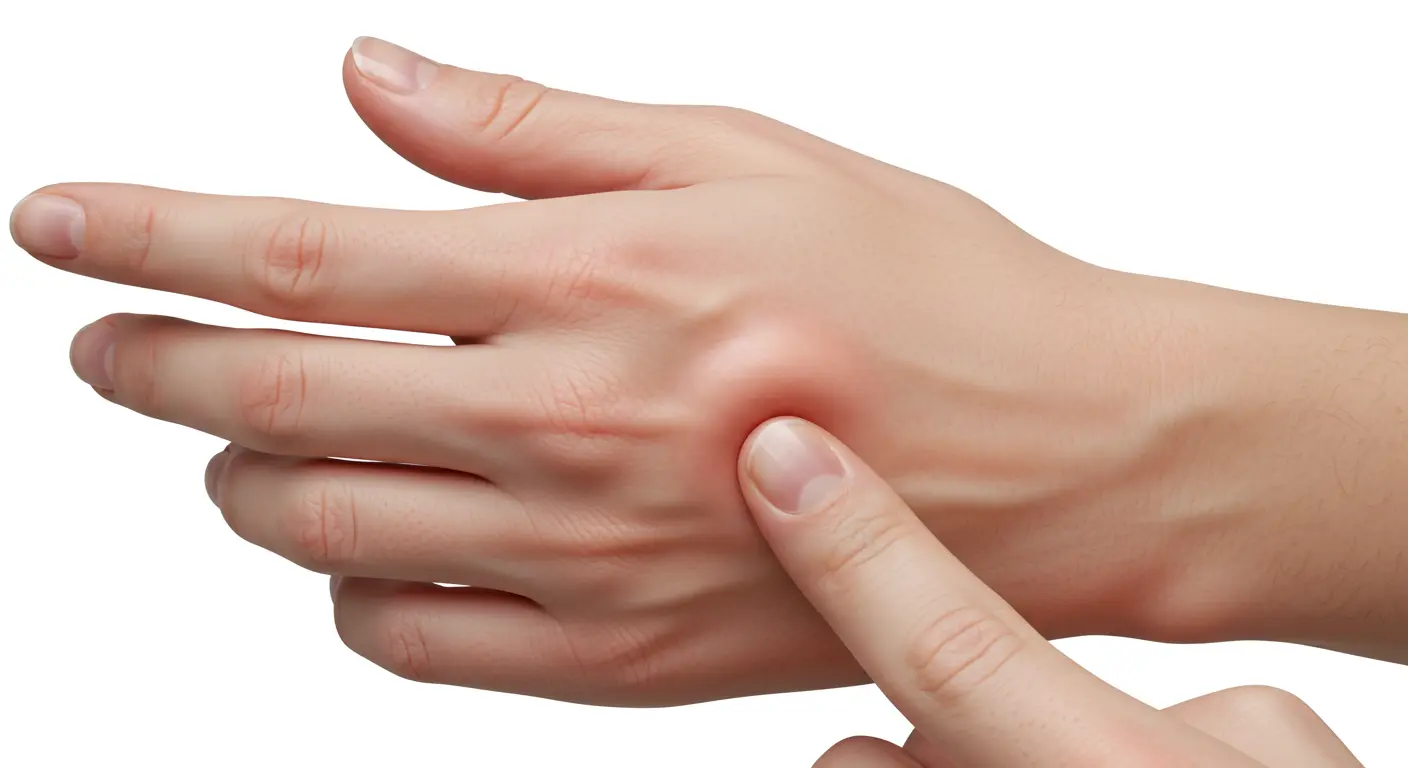
Have you ever pressed your finger into your ankle after a long day, then watched a little dent stay there for a bit before it fills back up. That’s pitting edema it sounds odd, but it’s surprisingly common. Sometimes it’s nothing to worry about: a long flight, salty food, or pregnancy. But other times, it could hint at something more serious.
What Is Pitting Edema
Pitting edema is swelling caused by fluid building up in your body’s tissues. When you press on a swollen spot usually the legs, ankles, or feet the skin stays depressed (you see a “pit”) for a short time before springing back. That’s “pitting.” If it doesn’t leave a pit, or the skin stays bumpy or hard, that’s non-pitting edema.
The fluid often includes water and salts, sometimes more complex stuff (proteins etc.) depending on the cause.
Causes of Pitting Edema
Healthy bodies manage fluid well. Blood vessels, lymph vessels, kidneys, heart, and your salt/water balance all work together.
When one or more parts of that system is off, fluid can leak or pool in places it shouldn’t. Here are the main culprits:
Mild/Temporary Causes
- Sitting or standing still for long periods (e.g., long flights, working on feet).
- Eating too much salt (sodium) in meals.
- Heat hot weather causes blood vessels to widen, fluid leaks more easily.
- Mild injuries or sprains.
Pregnancy
The growing baby pressurizes veins and fluid load increases → legs and feet often swell. Usually goes down after delivery or with rest, elevation, etc.
Medications
Some medicines can lead to fluid retention: steroids, certain blood pressure meds (especially those that dilate blood vessels), non-steroidal anti-inflammatories (NSAIDs), hormonal treatments, etc.
Medical Conditions
- Heart problems (like congestive heart failure) — heart can’t pump efficiently, so fluid backs up.
- Kidney disease — filtering out fluid is impaired.
- Liver disease / cirrhosis — low protein production, “leaky” blood vessels, fluid buildup.
- Venous insufficiency — veins don’t return blood well (often in the legs).
- Blood clots (deep vein thrombosis) — can block outflow.
- Malnutrition or low albumin levels (albumin is a blood protein) → less “pull” to keep fluid in blood vessels.
- Thyroid problems, especially hypothyroidism.
The Grading Scale
Knowing how bad your pitting edema is can help you decide what to do. Doctors often use a grading scale (1+ to 4+) based on how deep the pit is and how long it takes to bounce back (rebound time). Here’s a simple version you can understand:
| Grade | Depth of Pit | Rebound Time (Approx.) | What It Feels Like / Looks Like |
|---|---|---|---|
| Grade 1 (Mild) | ~ 1-2 mm | Immediately or in a few seconds | Slight swelling, maybe “tight socks” feel; pit barely visible |
| Grade 2 (Moderate) | ~ 3-4 mm | Rebounds within ~15 seconds | More obvious swelling; sock lines, pressure discomfort |
| Grade 3 (Severe) | ~ 5-6 mm | Rebounds in ~30-60 seconds | Swelling heavy; skin stretched; walking might feel harder |
| Grade 4 (Very Severe) | ~ 7-8 mm or more | Rebounds in 1-3 minutes | Very swollen; large indent stays; skin might blister, risk of skin breakdown |
If your swelling is Grade 3 or 4, or if it gets suddenly worse, that’s a signal to get checked by a medical professional.
Symptoms & Warning Signs
Besides the pit, here are things to watch out for some mild, others signs of something more serious:
- Aching, heaviness or pain in the area
- Skin stretched, shiny, reddish or darker change in color
- Feeling warm or even burning in swollen area
- Reduced mobility (e.g. hard to walk, bend the ankle)
- Changes in skin: itchiness, cracks, ulcers or sores
- If swelling is in one leg only, that’s more concerning (could be clot etc.)
- If you have shortness of breath, chest pain, swelling in abdomen, or your weight is changing fast see a doctor
How Doctors Diagnose & Tests
Doctors use both your history and physical exam; sometimes they do tests if needed.
History & Physical Exam
- When did swelling start, Has it been coming and going, or steadily worse.
- Is it worse at end of day or after standing, Improved by elevation.
- Any other symptoms (breathing trouble, leg pain, skin color changes).
- Your medications, underlying conditions (heart, kidney, liver), dietary habits.
Then exam: press on swollen spot, grade the pitting; check for skin changes; perhaps listen to heart/lungs; check other parts of body.
Tests
Depending on suspected cause:
- Blood tests: kidney function, liver enzymes, albumin, electrolytes
- Urine tests
- Imaging: ultrasound (to check veins or clots), echocardiogram (heart), X-ray if needed
- Sometimes specialist clinics for veins or lymph system
Treatment What You Can Do & Medical Option
Here’s a two-part approach: what you can try at home / with lifestyle, and what doctors might do if needed.
Home / Lifestyle Measures
- Elevate the swollen limb(s) above heart level when possible (e.g. prop up feet at night)
- Move around, avoid sitting/standing still too long; gentle exercise helps (walking, ankle pumps)
- Reduce dietary salt that helps reduce fluid retention
- Wear comfortable footwear; compression socks or stockings (asked by doctor) can help the swelling go down
- Sleep with leg-pillows / cushions to keep legs elevated
- Monitor weight daily or every few days (sudden uptick could be fluid retention)
- Massage or gentle rubbing of the skin (if safe, no wounds)
Medical & More Intensive Treatment
- Diuretics (water pills) to help body get rid of extra fluid (used carefully because of side-effects)
- Treat underlying conditions: e.g. heart failure, kidney disease, liver disease etc.
- Compression therapy by professionals (elastic bandages, compression wraps)
- In case of DVT (blood clot), clot-specific treatment and possibly anticoagulants
- Specialized treatments if edema is persistent: physical therapy, vascular surgery, lymphatic treatments
Prevention: Keeping Swelling from Coming Back
Prevention is often easier than cure. Some habits help a lot:
- Stay active; take breaks if you sit/stand long time
- Maintain healthy weight
- Eat balanced diet; reduce salt intake; avoid too much processed food
- Drink enough water (oddly, dehydration can worsen fluid retention)
- Avoid tight clothing around ankles or legs that hinder circulation
- Use supportive shoes; avoid high heels if they hurt circulation
- If you travel, move your legs often e.g. ankle circles, walk on flights
FAQs
Q: Is pitting edema always dangerous?
A: No. Often it’s mild and temporary after standing long, eating salty food, pregnancy. But if it lingers, is severe, or comes with other symptoms (like breathlessness or pain), it could point to something more serious.
Q: Can I make the swelling go away quickly at home?
A: Yes, sometimes. Elevation, reducing salt, moving around, compression (if safe), limiting certain meds all help. But “quickly” depends on cause. If it’s from heart or kidney issues, you’ll need medical intervention too.
Q: How do I know whether my swelling is Grade 1, 2, 3 or 4?
A: Use the grading table above: press for a few seconds, see how deep the dent is, and how long it remains. If unsure, ask a healthcare provider.
Q: Will changing my diet or lifestyle really help much?
A: Often yes. For mild to moderate edema, these changes can bring noticeable improvement. For more severe cases, they help a lot, but might need to be combined with medical treatment.
Q: Can medications I’m taking be causing it?
A: Yes. Some drugs cause fluid retention. If your edema started after a new medication, tell your doctor. But don’t stop meds without speaking to a doctor.
Final Thought
Pitting edema may look like a small dent in your skin, but it can tell a big story about your health. Most of the time, it’s a temporary issue you can ease with simple changes like moving more, cutting back on salt, or propping up your legs. But sometimes, it’s your body’s way of waving a red flag. Paying attention, knowing the scale, and acting early can make all the difference. When in doubt, listen to your body and don’t hesitate to reach out to a healthcare professional for peace of mind.