


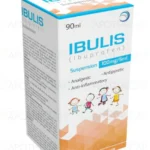
Description
Ibugesic contains Ibuprofen, a widely used nonsteroidal anti-inflammatory drug (NSAID) that provides pain relief, reduces fever, and decreases inflammation. It works by inhibiting cyclooxygenase (COX-1 and COX-2) enzymes, which are responsible for the synthesis of prostaglandins — chemical mediators involved in pain, fever, and inflammation.
Primary Uses
Used for the symptomatic relief of:
-
Headache, migraine, and toothache.
-
Muscular and joint pain.
-
Menstrual cramps (dysmenorrhea).
-
Fever associated with infection.
-
Back pain, sprains, and strains.
-
Minor arthritic and inflammatory conditions.
How It Works
Ibuprofen blocks the enzyme cyclooxygenase, reducing prostaglandin formation. This results in reduced pain, swelling, and fever. It does not treat the underlying cause of inflammation but effectively controls symptoms.
Dosage
-
Adults: As directed on the product label or by a healthcare professional.
-
Children: Dosage depends on weight and formulation (check pediatric label).
-
Best taken with or after food to minimize gastric irritation.
Side Effects
Common side effects may include:
-
Nausea, indigestion, or stomach pain.
-
Heartburn or acidity.
-
Dizziness or headache.
-
Mild rash or itching.
Serious but rare effects:
-
Gastrointestinal bleeding or ulceration.
-
Kidney or liver function changes.
-
Allergic reactions (facial swelling, breathing difficulty).
Discontinue use and seek medical attention if serious symptoms occur.
Warnings & Precautions
-
Avoid use in patients with active peptic ulcer, severe liver, kidney, or heart disease.
-
Use cautiously in elderly patients or those taking other NSAIDs.
-
Avoid alcohol to reduce risk of stomach bleeding.
-
Not recommended in pregnancy (especially 3rd trimester) or breastfeeding unless advised by a doctor.
-
Prolonged use without supervision can cause gastric irritation or renal impairment.
Drug Interactions
Ibugesic may interact with:
-
Blood thinners (warfarin, aspirin) – increased bleeding risk.
-
Antihypertensives (ACE inhibitors, ARBs, diuretics) – reduced efficacy.
-
Steroids or other NSAIDs – increased GI side effects.
-
Lithium and methotrexate – elevated drug levels.
-
Alcohol – increases GI irritation.
Doctor Review
Dr. Hira Fatima, MBBS, FCPS (Internal Medicine):
“Ibuprofen is a reliable and effective analgesic for mild to moderate pain and inflammation. However, it must be used responsibly — preferably short-term — and always with food or milk to prevent gastric irritation. Chronic or high-dose use should be supervised by a physician.”
Storage
Store below 25°C, away from moisture, heat, and direct sunlight. Keep out of reach of children.
Quick Tips
-
Take with food or milk to reduce stomach upset.
-
Avoid combining with alcohol or other NSAIDs.
-
Do not exceed the recommended daily dose.
-
Stay hydrated while using this medication.
-
Stop use and consult a doctor if pain or fever persists beyond a few days.
Disclaimer
This information is for educational purposes only and does not constitute medical advice or prescription. Always consult a qualified healthcare professional before starting, stopping, or adjusting any medication.


Reviews
There are no reviews yet.