


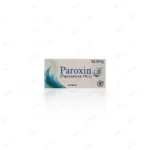
Paromax CR 25 mg tablets provide a controlled-release form of paroxetine HCl, an SSRI designed to boost serotonin levels in the brain by blocking its reuptake. This helps stabilize mood and reduce anxiety over time, making it suitable for ongoing management of conditions like depression or various anxiety disorders. The extended-release formula aims to minimize early side effects, allowing for steadier daily support without sharp peaks in concentration.
Expert Review
Dr. Murad Moosa Khan, a renowned Pakistani psychiatrist and professor at Aga Khan University, Karachi, highlights paroxetine’s role in treating mood and anxiety disorders. He notes its ability to improve symptoms through enhanced serotonin activity, particularly for patients with persistent depression or anxiety. Dr. Khan advises starting with a low dose and monitoring for side effects like restlessness or sleep issues, emphasizing tailored treatment plans to match individual patient needs.
Primary Uses
Paromax CR is used for depression, social anxiety disorder, obsessive-compulsive disorder (OCD), panic disorder (PD), generalized anxiety disorder (GAD), and posttraumatic stress disorder (PTSD).
Indications
Indicated for the symptomatic relief of Major Depressive Disorder, with presumed benefits from increased serotonergic activity in the central nervous system.
Side Effects
Possible effects include abnormal bleeding (like bruising or mucous membrane issues), low platelet count, allergic reactions (hives or swelling), low sodium levels, sleepiness or insomnia, restlessness, vivid dreams, confusion, hallucinations, dizziness, shaking, or headaches. Talk to your doctor if any persist.
Warnings
- Suicidal Thoughts: Antidepressants like this one raise the risk of suicidal thinking in children and teens with depression or other psychiatric issues—monitor closely.
- Bone Fractures: Studies link SSRIs to a higher fracture risk, especially early in treatment; factor this into care plans.
- Renal/Hepatic Impairment: Use caution in severe kidney or liver problems.
- Seizures: Rare (under 0.1%), but stop the drug and seek help if one occurs.
Precautions
Discuss with your doctor if you have a history of bleeding disorders, glaucoma, or bipolar tendencies, as this medication can affect serotonin balance. It’s linked to heightened suicide risk in young people, so regular check-ins are key.
Contraindications
Avoid if hypersensitive to paroxetine or its ingredients. Do not combine with MAO inhibitors (or start within 2 weeks of stopping them), including linezolid.
How to Use
Take as prescribed, usually once daily in the morning with or without food. Swallow whole—don’t crush or chew the controlled-release tablet. Dosage starts low and adjusts based on response.
Drug Interactions
May interact with L-tryptophan, triptans, tramadol, other SSRIs, lithium, fentanyl, St. John’s Wort, pimozide, carbamazepine, rifampicin, phenobarbital, phenytoin, fosamprenavir, ritonavir, procyclidine, sodium valproate, tricyclic antidepressants, phenothiazines, risperidone, atomoxetine, Type 1c antiarrhythmics, or metoprolol—potentially raising serotonin syndrome risk or altering levels. Check with your doctor.
Pregnancy Category
Always consult your physician before using during pregnancy or breastfeeding.
Storage
Keep at room temperature, away from light and heat. Store securely out of children’s reach.
Disclaimer
This information is for general guidance only. Consult a doctor for personalized advice on side effects, precautions, or interactions, as individual needs vary.



Reviews
There are no reviews yet.