
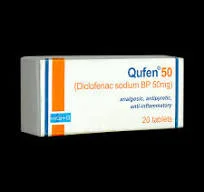
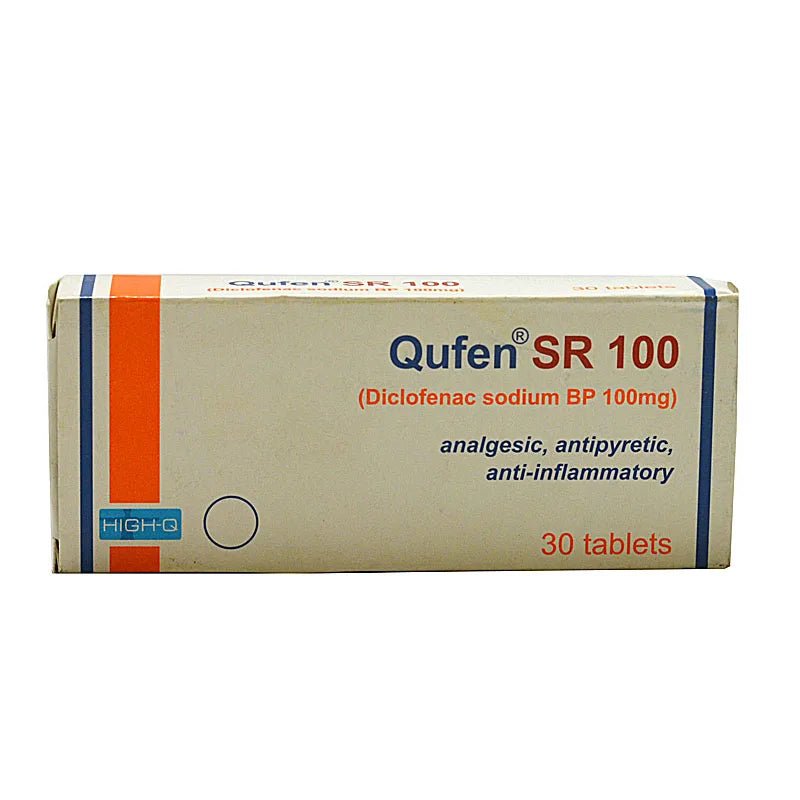

Diclofenac is a household name in Pakistani pharmacies, from busy Karachi shops to clinics in Peshawar, often reached for when pain or inflammation flares up. It’s a no-nonsense tablet that tackles aches and swelling effectively. This profile sums up its key details—how it works, its uses, side effects, and what doctors say—based on local standards like those from the Pakistan Medical and Dental Council (PMDC). It’s here to inform, not to suggest using it without a doctor’s advice.
Basic Product Details
- Form and Strength: 50 mg tablets, taken orally.
- Packaging: Strips of 10 or 20 tablets, sealed for Pakistan’s humid climate.
- Pricing: Roughly PKR 3-8 per tablet; a 10-tablet strip costs about PKR 30-80, depending on the pharmacy or brand. Check Dawaai.pk or local chemists like Servaid.
- Brands in Pakistan: Voltaren, Cataflam, or PMDC-approved generics.
Ingredients
- Active Ingredient: Diclofenac sodium (50 mg, an NSAID).
- Excipients: May include lactose, cellulose, or magnesium stearate (check packaging for specifics).
Drug Class
Non-Steroidal Anti-Inflammatory Drug (NSAID).
How It Functions
Diclofenac blocks cyclooxygenase (COX) enzymes, mainly COX-2, which stops the production of prostaglandins—chemicals that drive inflammation, pain, and fever. By cutting down these chemicals, it eases swelling and discomfort. In Pakistan’s clinics, it’s a go-to for quick relief from arthritis pain or post-injury aches, especially when spicy food or stress worsens things.
Common Applications
Per local medical practices, diclofenac is linked to:
- Relieving acute pain (e.g., post-surgery or injury).
- Managing arthritis-related pain and inflammation (osteoarthritis, rheumatoid arthritis).
- Easing migraine headaches.
- Controlling gout pain and swelling.
- Soothing menstrual cramps.
- Reducing fever and pain from infections like flu.
- Easing swelling after dental procedures.
Dosage Form
Tablet (50 mg), swallowed whole with water.
Potential Side Effects
Common issues, based on local reports, include:
- Stomach pain, nausea, or vomiting.
- Diarrhea or constipation.
- Dizziness or headache.
- Skin rash or itching.
- Raised blood pressure (rare).
Seek help immediately for severe symptoms like bleeding or swelling.
Key Warnings and Precautions
PMDC-aligned guidelines note:
- Stomach Issues: Higher risk of bleeding or ulcers; use cautiously if you have gut problems.
- Heart Health: May increase heart attack or stroke risk with long-term use; monitor closely.
- Kidney/Liver: Needs regular checks, especially in the elderly or those with existing issues.
- Pregnancy: Avoid in the third trimester; consult for earlier stages.
- Allergies: Don’t use if allergic to NSAIDs or aspirin.
- Driving: Skip if dizzy or drowsy.
Regular blood pressure, kidney, and liver tests are advised.
When It’s Not Suitable (Contraindications)
Avoid if you have:
- Allergy to diclofenac, aspirin, or other NSAIDs.
- Active or recent stomach bleeding/ulcers.
- Severe heart failure or recent heart surgery (e.g., CABG).
- Severe kidney or liver disease.
- Bleeding disorders or use of blood thinners.
- Acute porphyria.
Drug Interactions
May interact with:
- Other NSAIDs (e.g., ibuprofen), raising bleeding risk.
- Warfarin or anticoagulants, increasing bleeding chances.
- ACE inhibitors or ARBs, reducing blood pressure control.
- Lithium, methotrexate, or cyclosporine, raising toxicity risks.
- Diuretics, affecting kidney function.
Food Interactions
- Best taken with food to reduce stomach upset.
- Avoid alcohol; it increases bleeding risk.
- Limit grapefruit juice, caffeine, spicy foods, or high-potassium foods (e.g., bananas), which may worsen side effects or affect drug levels.
- Separate from high-fat meals to avoid delayed absorption.
In Case of Overdose
Symptoms like nausea, vomiting, stomach pain, or severe cases of bleeding need urgent ER care. Treatment may include stomach pumping or activated charcoal to limit absorption.
Missed Dose
Take a missed dose as soon as remembered, unless it’s near the next dose. Skip it then, and don’t double up. Consult a doctor if multiple doses are missed.
Storage and Disposal
Store tablets at room temperature (20-25°C) in a cool, dry place (e.g., a cabinet, not a bathroom), away from light, moisture, and kids. Dispose of expired tablets via pharmacy take-back programs, not by flushing or trashing.
Quick Tips
- Take with food to ease stomach irritation.
- Stick to the same time daily for steady relief.
- Avoid alcohol and spicy foods to minimize gut issues.
- Inform your doctor about other meds to avoid clashes.
Doctor Review
GPs and rheumatologists in Pakistan, from Karachi’s Jinnah Hospital to Faisalabad’s clinics, see diclofenac as a solid pick for arthritis, migraines, or post-op pain, but they stress short-term use and stomach/kidney checks to avoid risks like bleeding.
Laboratory Screening
To monitor effects and related conditions:
- RA Factor Test: For rheumatoid arthritis in severe bone pain.
- Blood Tests: Kidney/liver function, blood counts for anemia or bleeding risks.
- Blood Pressure Checks: To track cardiovascular effects.
Disclaimer: This is product information only, not a prescription or diagnosis. Consult a qualified Pakistani doctor before using diclofenac to ensure it’s safe. Seek immediate care for severe symptoms like stomach pain, rash, or breathing issues.


Reviews
There are no reviews yet.