


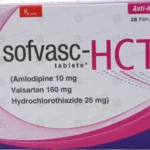
Sofvasc-HCT 10mg/320mg/25mg
₨ 278
Amlodipine 10mg, hydrochlorothiazide 25mg, valsartan 160mg tablets are a combo pick in Pakistani hypertension clinics, from cardio OPDs at NICVD Karachi to general hospitals in Lahore like Mayo, where docs prescribe them for tough blood pressure cases that need multi-angle hits. The mix of calcium blocker, diuretic, and ARB teams up to drop pressure via vessel relaxation, fluid cut, and hormone block, fitting PMDC guidelines for combo therapy in stage 2 or resistant HTN. Often generics from local labs like Getz or Bosch, a strip of 10 tabs runs PKR 300-500—check Dawaai.pk or Servaid for stock—straight from ward practices, not a solo start without BP checks.
Ingredients
- Active: Amlodipine 10mg, Hydrochlorothiazide 25mg, Valsartan 160mg.
- Excipients: Starch, magnesium stearate, lactose—label varies; watch for sulfa allergy in HCTZ.
Drug Class
Calcium Channel Blocker, Thiazide Diuretic, Angiotensin II Receptor Blocker (ARB).
How It Functions
Amlodipine blocks calcium entry for vessel dilation and lower resistance; HCTZ boosts sodium/water dump to shrink volume; valsartan shuts down angiotensin II receptors for more dilation and less aldosterone. In Pakistan’s salty diets and heat, this trio tackles volume and vascular sides of HTN, but docs monitor electrolytes amid dehydration risks.
Common Applications
Local cardio guidelines hit:
- Hypertension to cut heart attack/stroke odds.
- Vessel relaxation for better flow.
- Fluid/salt flush in overload.
- Blocking vessel-tightening hormones.
- Heart strain relief.
- Resistant HTN when singles flop.
- Cardio health boost.
- Halting HTN complications like kidney strain.
Dosage Form
Tablets swallowed whole daily, same time, with water.
Potential Side Effects
Watch for: Dizziness, fatigue, headache, nausea, more peeing, rash, ankle swelling, low BP.
Serious from reports: Bradycardia, fainting, potassium swings. ER for chest pain or severe lightheadedness.
Key Warnings and Precautions
PMDC stresses:
- Kidneys: Monitor function; avoid in extremes or dialysis without tweaks.
- Electrolytes: Check potassium, sodium—HCTZ can imbalance.
- Pregnancy: No-go—fetal harm; breastfeeding consult.
- Hypotension: Rise slow from sitting.
- Lupus: May worsen—report joint pain.
- Sulfa Allergy: HCTZ risk.
Regular BP, renal panels; elderly start low.
When It’s Not Suitable (Contraindications)
Pass if:
- Allergic to components.
- Severe liver/kidney disease.
- Angioedema history.
- Low BP or recent heart attack.
- Pregnancy/breastfeeding.
- Hyperkalemia or valve narrowing.
- Gout/diabetes uncontrolled—HCTZ effects.
- Sulfa allergy.
Drug Interactions
Flag doc:
- NSAIDs—blunt BP drop.
- Lithium—levels up with HCTZ.
- Potassium supplements—hyperkalemia with valsartan.
- Digoxin—arrhythmia risk.
- Antidiabetics—HCTZ may spike sugar.
- Other BP meds—additive drop.
In Case of Overdose
Dizziness, low BP, slow heart—ER for fluids, monitoring.
Missed Dose
Take soon unless near next; skip, no double—steady routine key.
Storage and Disposal
Room temp (15-30°C), dry spot, sealed bottle away from light/kids. Pharmacy take-back for extras, not flush.
Quick Tips
- Same time daily.
- With food if stomach fussy.
- Hydrate well for kidneys.
- Report swelling or peeing changes.
Doctor Review
Cardiologists at Faisalabad Institute or Shaukat Khanum note this combo shines in resistant HTN with edema, starting once-daily post-monotherapy fails, but potassium checks and renal scans routine given local diabetes loads—often with lifestyle pushes like salt cuts.
Laboratory Screening
Track:
- BP, electrolytes, renal function.
- CBC if anemia suspected.
This maps the combo’s BP battle in Pakistan—facts for reference, pro prescribes.
Disclaimer: This is product information only, not a prescription or diagnosis. Consult a qualified Pakistani doctor before using amlodipine HCTZ valsartan to ensure it’s safe.


Reviews
There are no reviews yet.