
Stress Management: Relaxation Techniques and Their Health Benefits
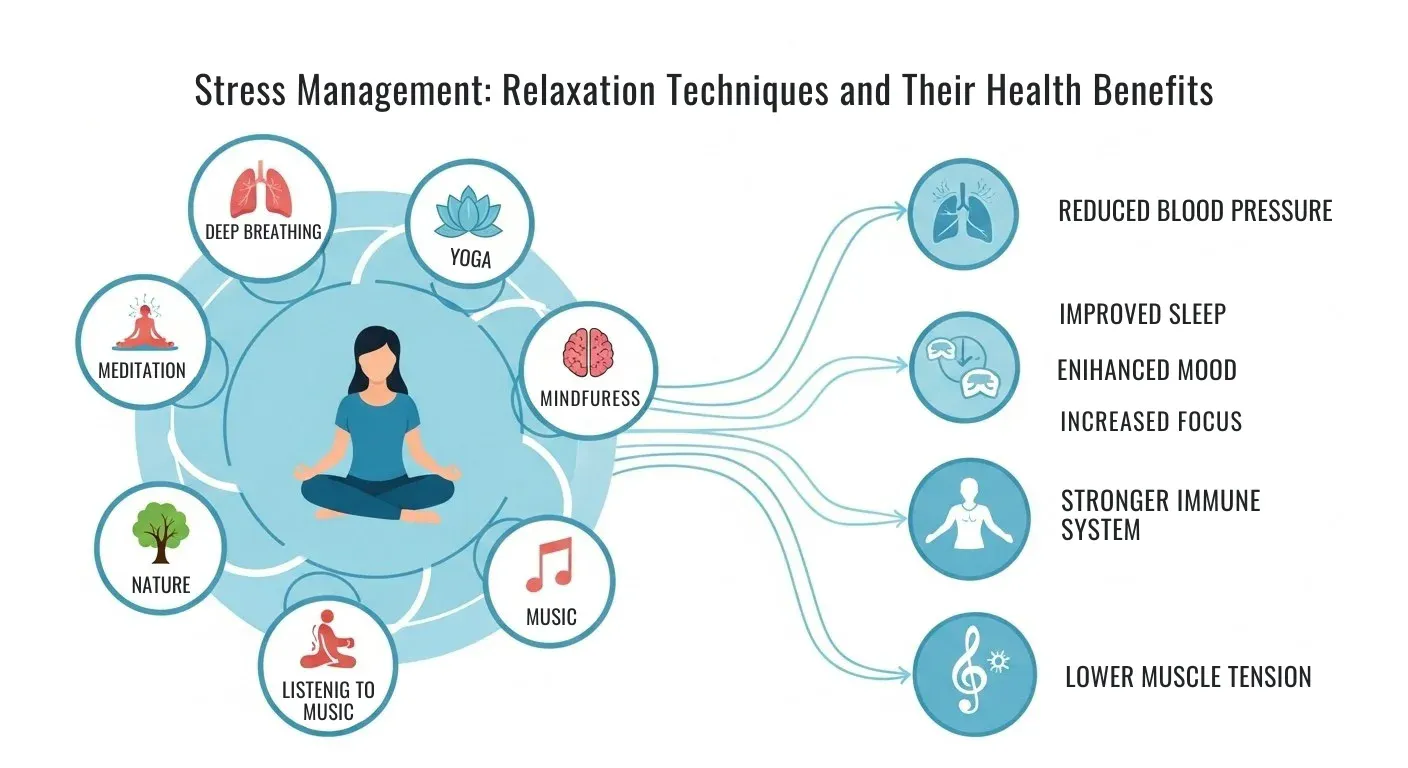
In our fast paced modern world, stress management has become a constant companion for millions of people. While some stress can be motivating, chronic stress wreaks havoc on both mental and physical health. The encouraging news is that various evidence-based relaxation techniques can effectively manage stress and bring significant health benefits. This comprehensive guide explores scientifically validated methods for reducing stress and improving overall wellbeing.
Understanding Stress and Its Impact on Health
When you experience stress, your body activates the fight-or-flight response, releasing hormones like cortisol and adrenaline. This ancient survival mechanism was designed for short-term threats, but today’s stressors often persist for extended periods. Chronic stress can lead to headaches, muscle tension, fatigue, digestive problems, and sleep disturbances. Over time, it contributes to more serious conditions including cardiovascular disease, weakened immune function, and mental health disorders.
The connection between stress and physical health is well-documented. Chronic stress disrupts nearly every system in your body, raising blood pressure, increasing heart rate, suppressing immune function, and accelerating cellular aging. Mental health suffers equally, with chronic stress being closely linked to anxiety, depression, and cognitive decline. Understanding this connection makes it clear why effective stress management is essential for maintaining health and quality of life.
Mindfulness Based Stress Reduction Ancient Wisdom Meets Modern Science
Mindfulness-Based Stress Reduction, developed by Jon Kabat-Zinn at the University of Massachusetts Medical Center in 1979, has become one of the most researched and validated approaches to stress management. This structured eight-week program combines mindfulness meditation, body scanning, and gentle yoga to help participants develop greater awareness of the present moment and respond more skillfully to stress.
Recent scientific research continues to demonstrate the effectiveness of mindfulness practices. A 2024 randomized controlled trial published in BMC Nursing examined the impact of mindfulness-based stress reduction training on informal caregivers of cancer patients in Iran. The study found statistically significant differences between intervention and control groups, with anxiety scores showing substantial improvement and sleep quality markedly better in those who received the mindfulness training.
A comprehensive systematic review published in November 2024 in the journal Biomedicines examined neurobiological changes induced by mindfulness and meditation practices. The research synthesis revealed that mindfulness meditation induces neuroplasticity, increases cortical thickness, reduces amygdala reactivity, and improves brain connectivity. These neurological changes lead to improved emotional regulation, enhanced cognitive function, and greater stress resilience.
The practical benefits extend beyond brain changes. A 2024 study published in Frontiers in Psychology explored the sustained impact of the MBSR program at various time points after completion. Participants reported continued benefits in stress reduction and wellbeing three months, one year, and even three years after completing the program, with breath awareness and sitting meditation being the most consistently practiced techniques.
How to Practice Mindfulness Meditation
To begin mindfulness meditation, find a comfortable seated position in a quiet space. Close your eyes or maintain a soft downward gaze. Focus your attention on your breath, noticing the sensation of air entering and leaving your body. When your mind wanders, which it inevitably will, gently acknowledge the thought without judgment and return your focus to your breath. Start with just five to ten minutes daily and gradually increase the duration as the practice becomes more comfortable.
The key to mindfulness is consistency rather than perfection. Even a few minutes of daily practice can bring benefits. You can practice mindfulness not only during formal meditation sessions but also throughout your day by bringing full attention to routine activities like eating, walking, or washing dishes.
Progressive Muscle Relaxation: Releasing Physical Tension
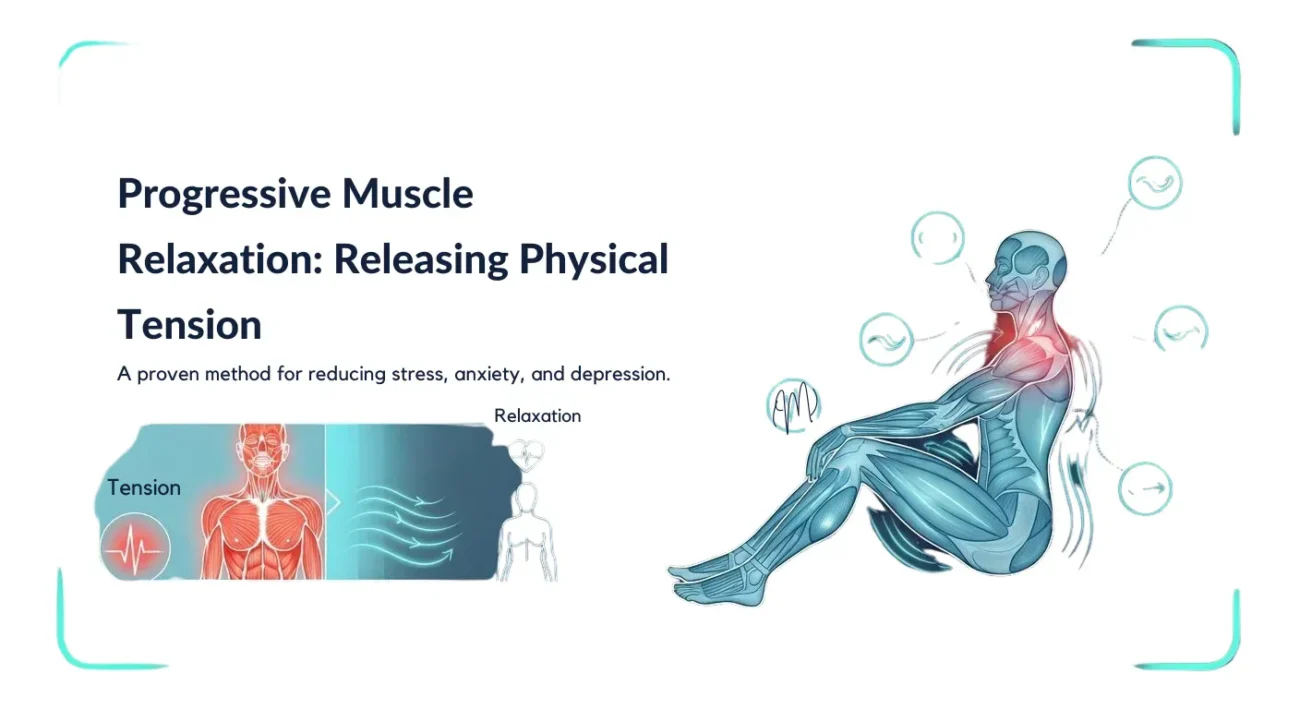
Progressive muscle relaxation is a systematic technique that involves tensing and then releasing different muscle groups throughout the body. This method, developed by physician Edmund Jacobson in the 1920s, helps you recognize the difference between tension and relaxation, making it easier to release stress-related muscle tightness.
Scientific evidence strongly supports the effectiveness of this technique. A comprehensive systematic review published in February 2024 in the journal Psychology Research and Behavior Management examined 46 publications from 16 countries covering more than 3,400 adults. The results definitively showed that progressive muscle relaxation is effective in reducing stress, anxiety, and depression in adults. The review also found that when combined with other interventions, the technique showed consistently enhanced efficacy.
A 2024 quasi-experimental study published in the Journal of Pediatric Nursing examined the effects of progressive muscle relaxation on adolescents in Turkey. The study implemented online progressive muscle relaxation training over eight weeks and found statistically significant differences in post-test stress, anxiety, and depression scores between the intervention and control groups, demonstrating the technique’s effectiveness even when delivered remotely.
Another 2024 study published in the Journal of Education and Health Promotion evaluated nurse-led progressive muscle relaxation for parents of adolescents with mental illness. The program, which included ten sessions of Jacobson progressive muscle relaxation, proved highly effective in reducing stress, anxiety, and depression among participants.
Practicing Progressive Muscle Relaxation
To practice progressive muscle relaxation, start in a comfortable position, either sitting or lying down. Begin with your feet and systematically work your way up through your body. For each muscle group, tense the muscles for about five seconds, then release and relax for 30 seconds before moving to the next group. Focus on the sensation of release and the feeling of tension flowing out of your muscles.
Common muscle groups to target include your feet, calves, thighs, buttocks, abdomen, chest, hands, forearms, upper arms, shoulders, neck, and face. Many people discover they habitually hold tension in certain areas like the shoulders, jaw, or forehead. Regular practice helps reduce this unconscious tension and increases overall body awareness.
Yoga: Integrating Body, Mind and Spirit
Yoga represents a comprehensive approach to stress management, combining physical postures, breathing exercises, and meditation into an integrated practice that addresses stress from multiple angles. The physical poses help release tension from the body, while breathing techniques and meditative aspects calm the mind.
Recent research demonstrates yoga’s powerful effects on stress reduction. A systematic review and meta-analysis published in October 2024 in Frontiers in Psychiatry investigated the effects of yoga on stress in adults from the general population. The researchers found that yoga interventions significantly reduced perceived stress compared to control conditions, with effects sustained over time.
A 2024 pilot study published in Frontiers in Public Health examined yoga’s effectiveness in reducing stress and burnout risk. The research revealed that yoga practice has mood-enhancing properties likely related to its inhibitory effects on physiological stress and inflammation. The study also found that health concerns, improved wellbeing, and stress reduction were the main motivations for starting yoga practice.
The neurological benefits of yoga are equally impressive. Research shows that yoga practice leads to increased activation of the prefrontal cortex, which manages decision-making and goal-setting abilities that stress can impair. Yoga also impacts amygdala activity, the brain region involved in processing emotions, and may increase hippocampal volume, which is important for memory and learning.
Getting Started with Yoga
Different styles of yoga offer varying intensities and focuses. Gentle styles like Hatha or Yin yoga emphasize relaxation and stress relief, making them ideal for beginners or those specifically seeking stress reduction. More vigorous styles like Vinyasa or Ashtanga provide cardiovascular benefits alongside stress relief. Even a simple practice of basic poses combined with conscious breathing can make a significant difference.
You don’t need to join an expensive studio to benefit from yoga. Many online resources offer guided practices for all levels. Start with beginner-friendly sessions of 15 to 20 minutes and gradually increase duration and difficulty as you become more comfortable with the practice.
The Simplest Yet Most Powerful Technique
Deep breathing exercises represent one of the most accessible and effective stress management tools available. Unlike shallow chest breathing that often accompanies stress, deep abdominal breathing activates the parasympathetic nervous system, which promotes relaxation and directly counteracts the stress response.
A 2021 study published in Evidence-Based Complementary and Alternative Medicine compared progressive muscle relaxation, deep breathing, and guided imagery in promoting psychological and physiological states of relaxation. The research found that all three techniques significantly increased relaxation states compared to a control group. Deep breathing showed an immediate increase in physiological arousal followed quickly by a return to baseline levels, demonstrating its rapid calming effects.
The beauty of deep breathing lies in its simplicity and accessibility. You can practice it anywhere, anytime, without any special equipment. Whether you’re stuck in traffic, preparing for a presentation, or lying in bed unable to sleep, deep breathing can quickly shift your nervous system from stressed to calm.
Effective Breathing Techniques
To practice deep breathing, find a comfortable position. Place one hand on your chest and the other on your abdomen. Breathe in slowly through your nose for a count of four, allowing your belly to rise while keeping your chest relatively still. This ensures you’re using your diaphragm fully. Hold the breath for a count of four, then exhale slowly through your mouth for a count of six. Repeat this cycle for several minutes.
Another effective technique is the 4-7-8 breathing method: inhale through your nose for four counts, hold for seven counts, and exhale through your mouth for eight counts. This pattern helps activate the relaxation response and can be particularly helpful for managing acute stress or preparing for sleep.
Physical Exercise: Moving Away from Stress
Regular physical activity stands as one of the most effective stress relievers available. Exercise reduces levels of stress hormones while stimulating production of endorphins, the body’s natural mood elevators and pain relievers.
Research published by Harvard Health explains that exercise reduces levels of stress hormones like adrenaline and cortisol while stimulating endorphin production. These endorphins are responsible for the famous “runner’s high” and create feelings of relaxation and optimism that accompany many workouts. As little as 20 to 30 minutes of moderate cardiovascular exercise can help you feel less stressed.
A 2024 article from the University of Wollongong explained the stress cycle and how exercise helps complete it. When we exercise, we experience a short-term spike in cortisol followed by a healthy reduction in both cortisol and adrenaline. Exercise also increases endorphins and serotonin, which improve mood and promote wellbeing.
Interestingly, exercise intensity matters when it comes to cortisol response. Research published in the Journal of Endocrinological Investigation found that low-intensity exercise, such as walking at 40% of maximum capacity, actually resulted in a reduction in circulating cortisol levels. In contrast, moderate to high-intensity exercise initially increases cortisol but leads to significant reductions afterward.
Choosing the Right Exercise
You don’t need intense workouts to reap stress-reduction benefits. A brisk 30-minute walk can significantly improve mood and reduce stress. Activities like swimming, cycling, dancing, or even gardening all count as beneficial exercise. The key is finding activities you genuinely enjoy, making it more likely you’ll maintain them long-term.
For those dealing with high stress, walking offers particular advantages. A 2024 article from Loma Linda University Health explained that walking helps reduce stress by decreasing cortisol levels and stimulating endorphin release. Walking after meals provides the additional benefit of helping control blood sugar levels, which contributes to better overall health and stress resilience.
Guided Imagery and Visualization
Guided imagery involves using your imagination to create calming, peaceful scenes in your mind. By mentally transporting yourself to a relaxing environment, you can trigger physiological relaxation responses similar to actually being in that peaceful place.
Research has shown guided imagery to be effective for stress reduction. The 2021 study in Evidence-Based Complementary and Alternative Medicine that examined multiple relaxation techniques found that guided imagery produced significant increases in psychological relaxation states compared to control conditions. The technique also showed an immediate linear trend toward physiological relaxation.
Practicing Guided Imagery
Close your eyes and imagine a place where you feel completely at peace. This might be a beach with gentle waves, a quiet forest, a mountain lake, or any setting that brings you tranquility. Engage all your senses in this visualization. What do you see around you? What sounds can you hear? What can you smell and physically feel? The more vivid and detailed your imagery, the more effective it becomes at reducing stress.
Many people find guided imagery particularly helpful before sleep or during work breaks. Audio recordings can guide you through various peaceful scenes, making it easier to maintain focus if your mind tends to wander. With practice, you’ll be able to access this relaxation response more quickly and easily.
Creating Your Personal Stress Management Plan
The most effective stress management approach combines multiple techniques tailored to your preferences, lifestyle, and needs. What works wonderfully for one person might not resonate with another. Experiment with different methods to discover what helps you most.
Consider starting your day with ten minutes of meditation or gentle yoga. Take deep breathing breaks throughout your workday, especially during stressful moments. Schedule regular exercise sessions, whether that’s walking, swimming, or any activity you enjoy. Practice progressive muscle relaxation in the evening or before bed. The key is consistency rather than perfection.
Regular practice of relaxation techniques builds resilience over time, making you better equipped to handle stress when it arises. Think of stress management techniques as preventive medicine. Just as you brush your teeth daily to prevent dental problems, practicing relaxation techniques daily helps prevent stress from accumulating to harmful levels.
Understanding When Professional Help Is Needed
While these techniques are effective for managing everyday stress, sometimes professional help becomes necessary. If you experience persistent feelings of overwhelming stress, anxiety, or depression that interfere with daily life, consider consulting a mental health professional. Therapists can teach additional coping strategies and help address underlying issues contributing to chronic stress.
Warning signs that professional support might be beneficial include difficulty sleeping despite trying relaxation techniques, turning to unhealthy coping mechanisms like excessive alcohol or food, withdrawing from social activities, experiencing physical symptoms that don’t improve with self-care, or having thoughts of self-harm. There’s no shame in seeking help; it’s a sign of strength and self-awareness.
The Science of Long-Term Benefits
The benefits of regular stress management practice extend far beyond immediate stress relief. Research shows that consistent practice of techniques like mindfulness meditation, yoga, and progressive muscle relaxation can create lasting changes in brain structure and function, improving emotional regulation and cognitive performance even during non-practice times.
These practices help reset your baseline stress level, meaning you experience less stress overall and recover more quickly from stressful situations when they do occur. This improved stress resilience protects against the development of stress-related health conditions and enhances overall quality of life.
References:
- Alvarado-García, P. A. A., Soto-Vásquez, M. R., Infantes Gomez, F. M., Guzman Rodriguez, N. M., & Castro-Paniagua, W. G. (2025). Effect of a mindfulness program on stress, anxiety, depression, sleep quality, social support, and life satisfaction: a quasi-experimental study in college students. Frontiers in Psychology, 16, 1508934.
- Khajuria, A., Krish, D., Agarwal, P., Gupta, R., & Sharma, M. (2024). Reducing Stress with Yoga: A Systematic Review Based on Multimodal Biosignals. International Journal of Yoga, 16(3), 156-170.
- Muhammad Khir, S., Wan Mohd Yunus, W. M. A., Mahmud, N., Wang, R., Panatik, S. A., Mohd Sukor, M. S., & Nordin, N. A. (2024). Efficacy of Progressive Muscle Relaxation in Adults for Stress, Anxiety, and Depression: A Systematic Review. Psychology Research and Behavior Management, 17, 345-365.
- Kabakcıoğlu, N. K., & Ayaz-Alkaya, S. (2024). The effect of progressive muscle relaxation on stress, anxiety, and depression in adolescents: A quasi-experimental design. Journal of Pediatric Nursing, 78, 89-96.
- George, S., Govindan, R., & Kommu, J. V. S. (2024). Effectiveness of nurse-led progressive muscle relaxation on stress, anxiety, and depression in parents of adolescents with mental illness: A randomized controlled trial. Journal of Education and Health Promotion, 13, 454.
- Bakshi, R., & Srivastava, D. K. (2024). Neurobiological Changes Induced by Mindfulness and Meditation: A Systematic Review. Biomedicines, 12(11), 2613.
- Yavuz Sercekman, M. (2024). Exploring the sustained impact of the Mindfulness-Based Stress Reduction program: a thematic analysis. Frontiers in Psychology, 15, 1347336.
- Schleinzer, A., Moosburner, A., Anheyer, D., Burgahn, L., & Cramer, H. (2024). Effects of yoga on stress in stressed adults: a systematic review and meta-analysis. Frontiers in Psychiatry, 15, 1437902.
- Zok, A., Matecka, M., Bienkowski, A., & Ciesla, M. (2024). Reduce stress and the risk of burnout by using yoga techniques. Pilot study. Frontiers in Public Health, 12, 1370399.
- Toussaint, L., Nguyen, Q. A., Roettger, C., Dixon, K., Offenbächer, M., Kohls, N., Hirsch, J., & Sirois, F. (2021). Effectiveness of Progressive Muscle Relaxation, Deep Breathing, and Guided Imagery in Promoting Psychological and Physiological States of Relaxation. Evidence-Based Complementary and Alternative Medicine, 2021, 5924040.
- Harvard Health Publishing. (2020). Exercising to Relax. Harvard Medical School.