
TimesHealthMag Nutrition: Your Guide to Healthier Living

TimesHealthMag nutrition offers immediate, actionable advice for improving well being through diet. The guide provides practical tips covering mindful eating, balanced meal planning, and key superfoods for anyone seeking quick help to navigate healthy choices, lose weight, boost energy, and embrace a healthier lifestyle. More information is available at TimesHealthMag.
If you’ve ever felt lost in a maze of diet advice, superfood hype and conflicting “eat this / don’t eat that” rules, you’re definitely not alone. That’s exactly why I want to walk you through what TimesHealthMag Nutrition really is and how it can be your clear, reliable guide to healthier living safety. You’ll learn what the platform offers, why it matters, how it stacks up against other online guides, and how you can use its ideas in your day to day life.
What Is TimesHealthMag Nutrition
At its core, TimesHealthMag Nutrition is a part of the broader TimesHealthMag platform a website focused on wellness, exercise, nutrition and healthy living. The “Nutrition” section acts as your guide to eating better, understanding food, and living healthier not just for a month or two, but for life.
Key features:
- Evidence-based articles written (or reviewed) by professionals like dietitians and nutritionists.
- Clear language (they promise accessible info rather than jargon).
- Coverage of many topics: macronutrients, micronutrients, hydration, whole foods, meal-planning, myth-busting, disease prevention, mental health connections.
- Tools and resources (downloadables, meal-planners, etc) to help you actualise the knowledge.
So when we say “TimesHealthMag Nutrition: Your Guide to Healthier Living”, we’re saying: here’s the roadmap to use this platform to improve your diet, your body, and your mind.
What Healthy Eating
Macronutrients:
- Carbohydrates: Your body’s main energy source. TimesHealthMag emphasises choosing complex carbs (whole grains, vegetables, fruits) rather than sugar-rich, processed carbs.
- Proteins: Essential for building and repairing tissues, immune support, hormone production. The platform points to both animal and plant sources.
- Fats: Not all fats are enemies. Healthy (unsaturated) fats support brain, hormone and cell function. The platform debunks “all fat is bad” myth.
Micronutrients & Hydration:
- Micronutrients (vitamins, minerals) are small in quantity but huge in impact. For example: vitamin C for immunity; iron for oxygen transport; B-vitamins for energy.
- Hydration: Often overlooked. TimesHealthMag includes hydration as key water helps digestion, energy, skin, overall system.
Whole Foods Approach:
One of their signature ideas: eat less processed, more “whole” or minimally-processed foods. That means vegetables, fruits, legumes, whole grains, nuts, seeds instead of heavily processed snacks and ready-meals.
Balance & Sustainability vs Fads:
TimesHealthMag pushes against “quick fix” diets and strict rules. Instead it promotes behaviour change you can maintain.
Practical Tips & How to Apply the Guide in Real Life
Now you’re thinking: “Okay, good. But how do I use this?” Great question. Here are concrete steps you can start with.
Meal Planning Made Simple:
Spend a little time each week planning your meals. Choose a few recipes (with proteins, carbs, fats and veggies). Write a grocery list. Spend one batch-cook session (for example Sunday evening).
New tip: Use your phone’s photo album take a picture of your stocked fridge after shopping or your leftover container from the prep session. It serves as a visual reminder and helps your “brain” skip the “What do I eat?” meltdown on busy nights.
Smart Grocery TimesHealthMag
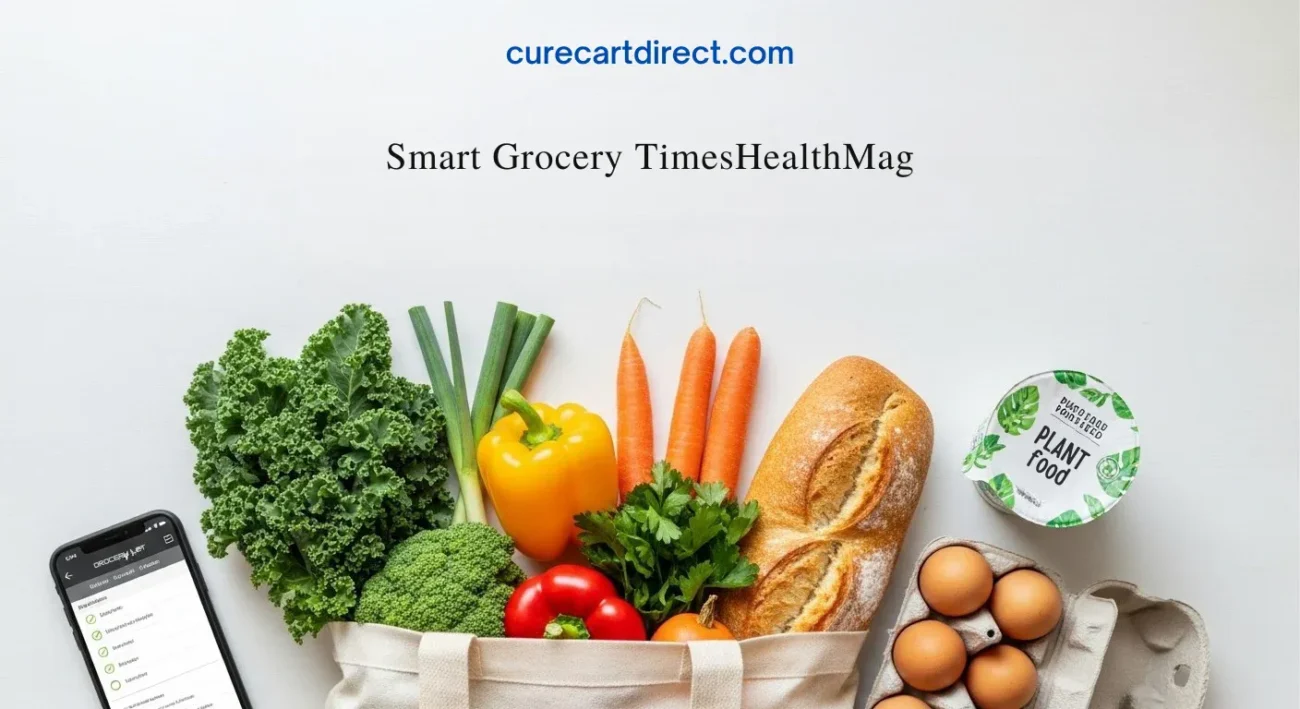
- Pick at least one food you haven’t tried before (helps variety).
- Stick to the perimeter of the store (fruits, veggies, fresh meat/legumes) before hitting processed-foods aisles.
- Read labels: anything with more than ~5 ingredients or heavy sugar content check twice. (TimesHealthMag covers label literacy).
- Budget hack: Frozen vegetables and fruits are almost as nutritious as fresh, cost less and last longer so if fresh produce is pricey, use frozen.
Snacking & Eating Out:
TimesHealthMag mentions healthy snacking and how to choose when dining out.
Extra tip: When eating out, ask for half portions or share an entree. Also, drink a glass of water before you start eating studies suggest you feel fuller, may eat less.
Mindful Eating:
Slow down. Enjoy the taste, chew more, put fork down between bites. TimesHealthMag mentions tuning into your body’s signals (turn0search0).
Extra angle: Ask yourself halfway through your meal: “Am I still hungry or just eating because the food is there?” That awareness helps you avoid overeating.
Connecting Nutrition with Mental & Emotional Health:
This is a newer component that many guides lightly touch, but TimesHealthMag includes it (turn0search13).
Certain nutrients support mood (omega-3s, B-vitamins, magnesium, zinc) and gut health links to mental health.
New info: Try pairing your meals with a short mindfulness break five minutes of breathing after eating helps your body digest, your mind relax, and avoids that “I feel stuffed and guilty” spiral.
Beyond Basics What the Guide
- Personalisation: TimesHealthMag emphasises that “one size doesn’t fit all” (turn1search1). We’ll dig into that.
- Depending on age, sex, activity level, medical history your nutrition needs will vary.
- New insight: If you have a family history of Type 2 diabetes, consider meeting a dietician and have your meal plan include more low-glycaemic index foods (brown rice, lentils, oats) rather than strictly just “eat less carbs”.
- Technology & Tools: Not all guides talk about this but TimesHealthMag mentions downloadable planners, trackers (turn0search11).
- New suggestion: Use a simple phone app to photo-log your meals for 7 days. At the end of week, review what foods made you feel best (energy, mood) vs worst (sluggish, foggy). Then adjust.
- Real-life hacks for busy people:
- Pre-chop veggies ahead and store in clear containers so you see them when you’re tired and tempted to order junk.
- Make breakfast protein-rich (e.g., oats + Greek yogurt + nuts) so you’re less likely to binge by lunch.
- Integration with community and behaviour change: The platform emphasises consistency and long-term habits. (turn1search1)
- New suggestion: Identify a “nutrition buddy” (friend or coworker) with whom you share weekly check-in. Accountability boosts change.
- Budget & Practicality: Many good guides skip this. TimesHealthMag mentions cost and accessibility (turn0search13) but we’ll add more:
- If you live in a location where fresh produce is expensive, apply a “frozen first, canned second (no added salt/sugar), fresh third” rule.
- Explore local produce or seasonal markets often cheaper and fresher.
The Big Picture Benefits of Embracing
- More energy: Eating balanced meals fuels your body steadily, avoiding sugar crashes, so you feel more alive.
- Better mood & mental clarity: Nutrition supports brain function; you’ll notice less fog, better focus, improved resilience.
- Health protection: A consistent pattern of good eating lowers risks of chronic diseases (heart disease, type 2 diabetes, some cancers) rather than chasing miracle cures. TimesHealthMag emphasises this (turn0search9).
- Longevity & quality of life: It’s not just “how long” you live—but “how well” you live. This guide supports better health today and over time.
FAQs
Do I need to follow a strict diet plan from TimesHealthMag?
A: Nope. Actually, their approach is more about flexibility and balance than strict rules. Choose what works for you and your life. (turn1search1)
Are supplements necessary if I follow this guide?
A: generally no. Most nutrients can (and should) come from food. Supplements may be useful only in specific cases (e.g., vitamin B12 for vegans). TimesHealthMag covers this. (turn0search13)
How fast will I see results by applying this guide?
A: Results vary. You may notice better energy and mood in a few weeks, but sustained health-improvements happen over months. The key is consistency, not speed.
I’m busy are these tips realistic?
A: Absolutely. The guide includes shortcuts, planning ideas, and hacks for busy lives (pre-chopping, batch cooking, frozen produce). It’s built for “normal life”.
Can I use the guide if I have a medical condition (e.g., diabetes)?
A: Yes but with one caveat: this is general healthy-eating advice. If you have a specific condition, always consult a nutritionist or doctor for tailored recommendations.
Final Thoughts
In the sea of wellness advice, it’s easy to feel like you’re constantly swimming upstream: fad diets, confusing rules, conflicting claims. That’s where TimesHealthMag Nutrition: Your Guide to Healthier Living really stands out it’s a map. It’s a friendly, evidence-backed, real-life proof-tested map to better eating, better living, and ultimately better you.