
Southall Health and Safety: Building a Healthier and Safer Community
Southall Health and Safety is a project that aims to create a better physical and mental health in this vibrant community in West London. Inequalities are being addressed and a healthier, greener, and more enabling community is being built through community-led safety forums, free active lifestyle programs and local health centers.
Why Southall Health Challenges Are Different
Here is a secret to many health guides: a one-size fits all is not suitable for Southall! Many of the medical concerns of the community are of particular concern and need to be addressed honestly, knowing that the population is of South Asian descent.
South Asian people have a tendency to develop type 2 diabetes at a younger age and lower body weight than other ethnic groups. This is not about genetics being a death sentence; it’s about knowing the risks and taking a stand to fight back. Type 2 diabetes is mostly preventable by making lifestyle changes, and can be cured in many instances if caught early.
The burden of heart disease is also greater among South Asian communities. Cardiovascular issues occur earlier in life in men and women of South Asian descent than experience cardiovascular age. In fact, preventative care is not something that can be done if you want to it is a must if you want to.
But let’s flip this narrative. Understanding these risks means you’ve got the power to act before problems start. That’s not scary that’s empowering.
Making Your Home Actually Safe
Walk through your home right now with fresh eyes. Really look at it. Most of us live with hazards we’ve stopped noticing because familiarity breeds complacency.
The Smoke Detector You Keep Ignoring:
When was the last time that you tested your smoke detector? I’m not just looking at the button and assuming it works, I mean I actually pressed the button. That little piece of hardware may be the lifesaver you need for your family to get out of a fire in just 60 seconds. Mount one on each floor, including a basement. Test monthly. Replace batteries once a year and, if possible, switch to 10-year sealed batteries that will reduce that horrible “low battery” chirp at 3 AM.
CO is the silent killer that is underrated. It is neither visible, smellable nor tastable. A leaking, broken or portable generator indoors can release deadly CO, as everyone sleeps. A carbon monoxide detector installed close to bedrooms is cheaper than a family dinner out, but can save all lives within your home.
Electrical Safety That Actually Matters:
There are lots of older residences in Southall, and older houses can have electrical systems that were not designed to the needs of today’s lifestyle. Multiple Devices, Charger, Appliances & Electronics are all connected to wiring which could be decades old.
Avoid daisy chaining and overloading electrical extensions. If you are always running around looking for outlets, there must not be enough of them, or they are not installed correctly, or they are not installed by a qualified electrician or are adaptors that may pose a fire hazard. Frayed cords, warm outlets, flickering lights, or circuit breakers that trip often are no trivial matters. They are messages to alert the reader to a problem.
Fire Safety in Multi Occupancy Buildings:
Where there are several flats or families in one building, fire safety is everyone’s job. Propped-open fire doors make it easy to get in until it’s fire time – when it is, it is the reason for the spread of smoke that is killing people in their sleep.
Do not obstruct exits, hallways or staircases with storage, bikes or prams. Space is limited but in the emergency, those are death traps. Be familiar with the ways to escape your building and have an alternate plan. Try it out with the family, particularly with children who could become panicked in an emergency.
Getting Your Body Moving Without the Gym Membership You’ll Never Use
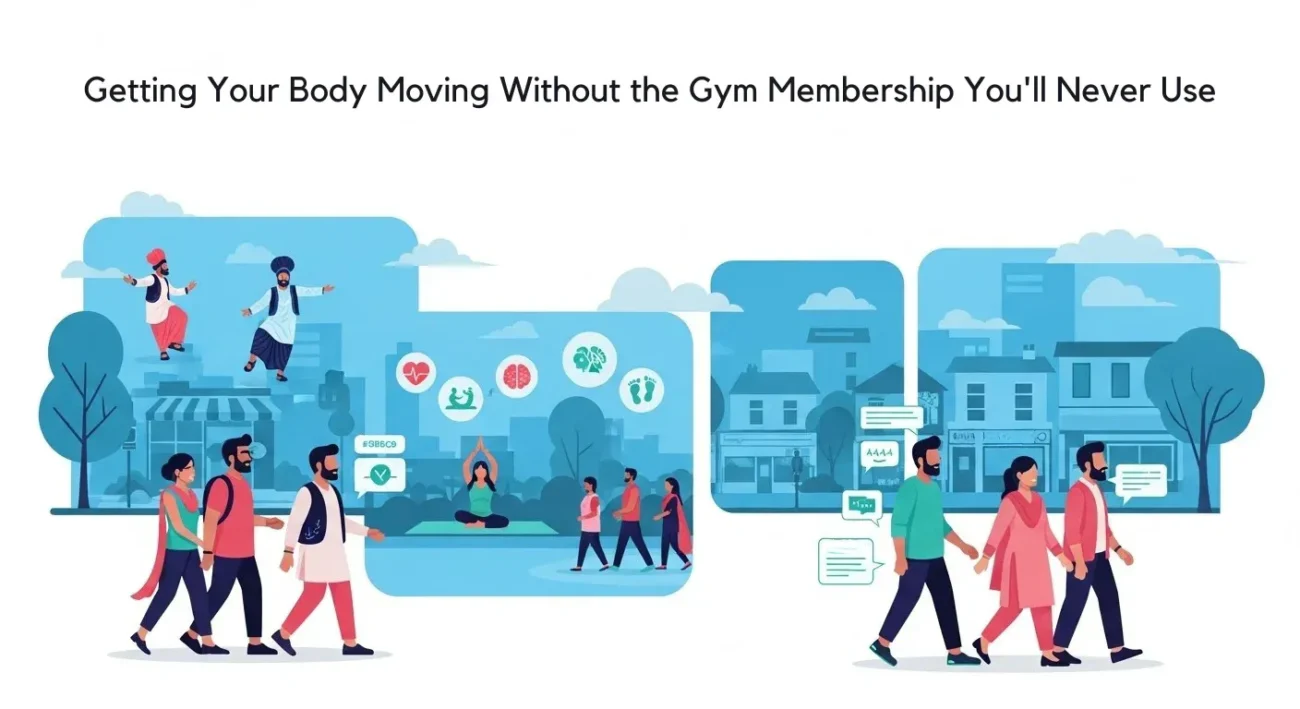
Let’s be honest most gym memberships become expensive guilt trips. You sign up with great intentions, go twice, then avoid the place like it personally offended you while they keep charging your account.
Walking Is Underrated Medicine:
Walking doesn’t feel like exercise, which is exactly why it works for most people. You’re not huffing and puffing, you’re not wearing special clothes, you’re just walking. But that “just walking” prevents heart disease, manages diabetes, strengthens bones, improves mental health, and helps maintain a healthy weight.
There’s plenty to explore in Southall’s parks, markets and neighborhoods. Walk to the grocery store rather than drive. Use the stairs not the lift. Please park further away rather than circling the area to park as close as possible. These are not radical concepts, simply because they’re sustainable.
Moderate to vigorous activity, like 30 minutes of walking each day, has a quantifiable impact. If this is difficult, do it in 3 10 minute walks. Walk after meals to help control blood sugar spikes particularly important for preventing and managing diabetes.
Movement Beyond Walking:
Traditional South Asian activities like yoga and dance offer excellent exercise that feels culturally connected rather than imported from Western health fitness culture. Bhangra isn’t just celebration it’s cardio. Yoga isn’t just stretching it’s strength, flexibility, balance, and mental health all rolled together.
The aim is not to become an athlete. It is moving enough to keep your body functional, your heart healthy and your mind clear. Don’t find activities to enjoy, find activities you enjoy.
Mental Health Isn’t a Western Concept:
Stigma around mental health issues still exists in many South Asian communities. Depression is trivialized as a lack of courage. People are instructed to pray more. Trauma-induced PTSD is neglected since “we” have survived worse back home.
This attitude is a killer. It’s not in a dramatic way, though sometimes in isolation, through substance abuse, untreated conditions spiraling, and sometimes through suicide, everyone plays pretend that it’s something else.
Health is mental health. Your brain is a part of your body similar to your heart and lungs. It, like any other organ, sometimes requires assistance. Weakness is not seeking that help, but wisdom.
Recognizing When Someone’s Struggling:
Depression doesn’t always look like sadness. Sometimes it looks like irritability, physical pain without clear cause, loss of interest in things once enjoyed, changes in sleep or appetite, or withdrawal from family and friends.
Anxiety isn’t just worrying. It’s physical racing heart, difficulty breathing, chest tightness, dizziness, intrusive thoughts that won’t stop.
If you notice these signs in yourself or loved ones, talk about it. Connect them with their GP, community mental health services, or organizations that provide culturally sensitive mental health support.
Building Community Connections:
Isolation destroys mental health. Humans aren’t meant to live alone, disconnected from community. Southall’s strength has always been its tight-knit community networks gurdwaras, temples, mosques, community centers, cultural organizations.
These aren’t just places for religious or cultural events. They’re a way to keep you mentally safe, a support system where people see when you’re in trouble, and assist you in carrying the weight. Stay connected. Show up. See if anyone is in need of a call – elderly or isolated persons.
Workplace Safety That Actually Protects
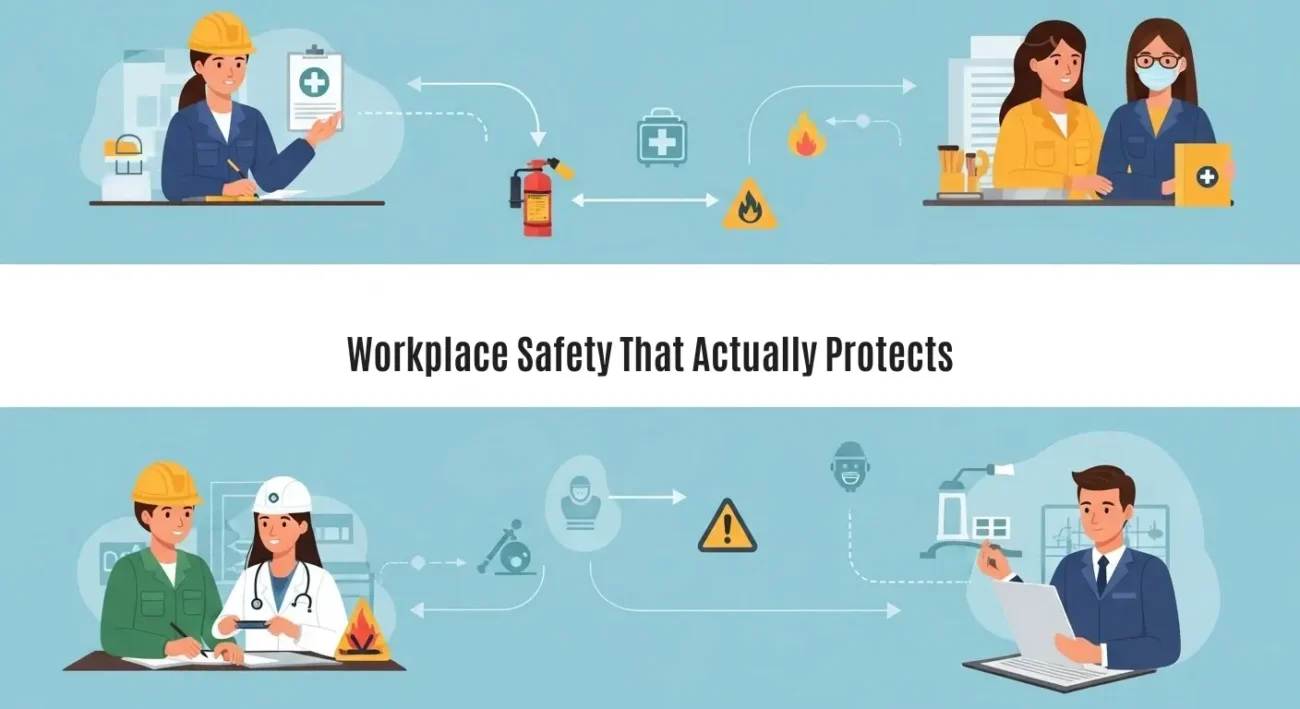
Southall residents work in retail, hospitality, healthcare, manufacturing, driving, and countless other sectors. Every workplace has hazards, and every worker has rights.
Your Rights Aren’t Negotiable:
Under the law an employer is required to provide safe working conditions. This is not a requirement for immigration status, language skills or the need for the job. You can report unsafe workplaces and have them investigated–no matter what the consequences are.
Safe use of equipment and handling hazardous materials requires proper training, not a nice-to-have. PPE such as gloves, masks or safety shoes must be supplied by your employer, not yourself.
Report any work related injury in writing, immediately. Please do not be talked out of speaking up or “doing it informally. If you have an injury documented, you have the right to medical care and compensation, if necessary.
Preventing the Injuries Nobody Talks About:
More working lives are lost due to back injuries from lifting than due to dramatic accidents. Use correct lifting technique: bend knees, keep loads close to the body, do not twist whilst carrying weight, seek assistance for heavy/ awkward loads.
Repetitive strain injuries occur very gradually through the same actions repeated thousands of times. Take frequent breaks from your work if you have to use a computer, assemble or scan documents, or do any repetitive work. Make your workstation ergonomic. Stretch. Share activities wherever feasible.
The effects of standing for long periods of time are more taxing than you may realize. Proper shoes, anti-fatigue mats and frequent sitting breaks eliminate longer-term joint and circulation issues.
Food Safety Starts at Home
Southall’s food scene is incredible restaurants, sweet shops, grocers with ingredients you won’t find elsewhere in London. But food safety matters whether you’re cooking at home or eating out.
The Basics Everyone Thinks They Know:
Wash your hands before cooking. It’s seem blindingly simple, but 20 seconds, not a quick rinse: Wash again after handling raw meat before touching anything else.
Separate raw and cooked foods. Don’t use the same cutting board for raw chicken and salad vegetables without washing it thoroughly between uses. Keep raw meat on the lower shelves of the refrigerator, away from other food items, to prevent juices from dripping onto other foods.
Cook foods to a safe temperature particularly meat and poultry. Two hours or less is the time for leftovers to be refrigerated in hot weather. Cook leftovers until hot, and if there is any possibility that they have not been cooked thoroughly, throw them out. Don’t risk getting food poisoning.
Eating Out Safely:
The food hygiene rating provides information about a restaurant’s performance at its last inspection. See ratings on the Internet or at the gate. Five stars = very good. Zero indicates that an urgent improvement is required. This information is provided to keep you safe—use it.
Market vendors and street food trucks need to adhere to some basic hygiene. Washing hands, preventing food from being contaminated, keeping food at the right temperature. If it doesn’t smell right or look right, do not eat it – just because you are not rude.
The Air You Breathe Matters More Than You Think
Air quality isn’t just an environmental issue it’s a daily health factor affecting your lungs, heart, and overall wellbeing. Southall sits near major roads including the A4020 and experiences typical urban air pollution.
Your GP Is Your Healthcare Home Base:
Enroll at a doctor’s surgery in your local area. Your GP coordinates your health management, preventive health measures, monitoring of chronic conditions and referrals to specialists. They are your number one resource when you have a health care need that is not an emergency.
Do not put off the doctor to the next day because you think you don’t have any symptoms. The best time to get treatments is before symptoms of a problem occur, and that’s what preventive screenings do. Blood pressure, cholesterol, diabetes, and cancer screening offered depending on age and risk factors. These appointments aren’t to be missed, they’re a part of healthcare.
When to Use NHS 111:
NHS 111 is the NHS hotline for non-emergency health issues. For medical advice (not an emergency) call 111. They will evaluate your condition and refer you to appropriate care, be it self-care, pharmacy, urgent care center or indeed even A&E.
Emergency Services Are for Emergencies:
People go to the A&E department with less serious problems, and this overloads the system. If it’s a genuine emergency – such as chest pain, difficulty breathing, a lot of bleeding, loss of consciousness or suspected stroke – get to A&E or call 999.
But a cold, minor injury, or problem that’s been going on for weeks? That’s not an emergency. Using A&E inappropriately means longer waits for everyone and wastes resources that could save lives.
Emergency Preparedness Nobody Thinks About Until It’s Too Late
Emergencies don’t announce themselves. Fires, floods, power outages, or medical crises happen without warning. Preparation means you respond effectively instead of panicking.
Basic Emergency Kit:
Every household needs a basic emergency kit stored somewhere accessible. Include a flashlight with extra batteries or a hand-crank model, battery-powered or hand-crank radio, first aid kit, essential medications for at least three days, bottled water, non-perishable food, copies of important documents in waterproof container, emergency contact numbers written down (not just in your phone), some cash, and basic tools.
Check and update this kit yearly. Rotate food and water to keep them fresh. Update medications as prescriptions change.
First Aid and CPR Training:
Knowing basic first aid and CPR transforms you from helpless bystander to someone who can save a life. Many organizations offer free or low-cost training courses. A few hours of training could mean you’re the person who keeps someone alive until paramedics arrive.
Teach children age-appropriate emergency skills how to call 999, their home address, what constitutes an emergency. This empowers them and provides backup if you’re the one who needs help.
References:
- NHS England – Type 2 diabetes prevention and management guidelines for South Asian populations.
- British Heart Foundation – Cardiovascular disease in South Asian communities research and guidance.
- London Fire Brigade – Home fire safety advice and free home safety.
- Health and Safety Executive (HSE) – Workplace rights, employer duties, and reporting unsafe conditions.
- Food Standards Agency – Food hygiene ratings database and safe food handling guidance.
- NHS 111 – When to use NHS services and how to access appropriate care.
- Ealing Council – Local air quality information and community safety programs for Southall.
- Mental Health Foundation – Culturally appropriate mental health resources and support services.