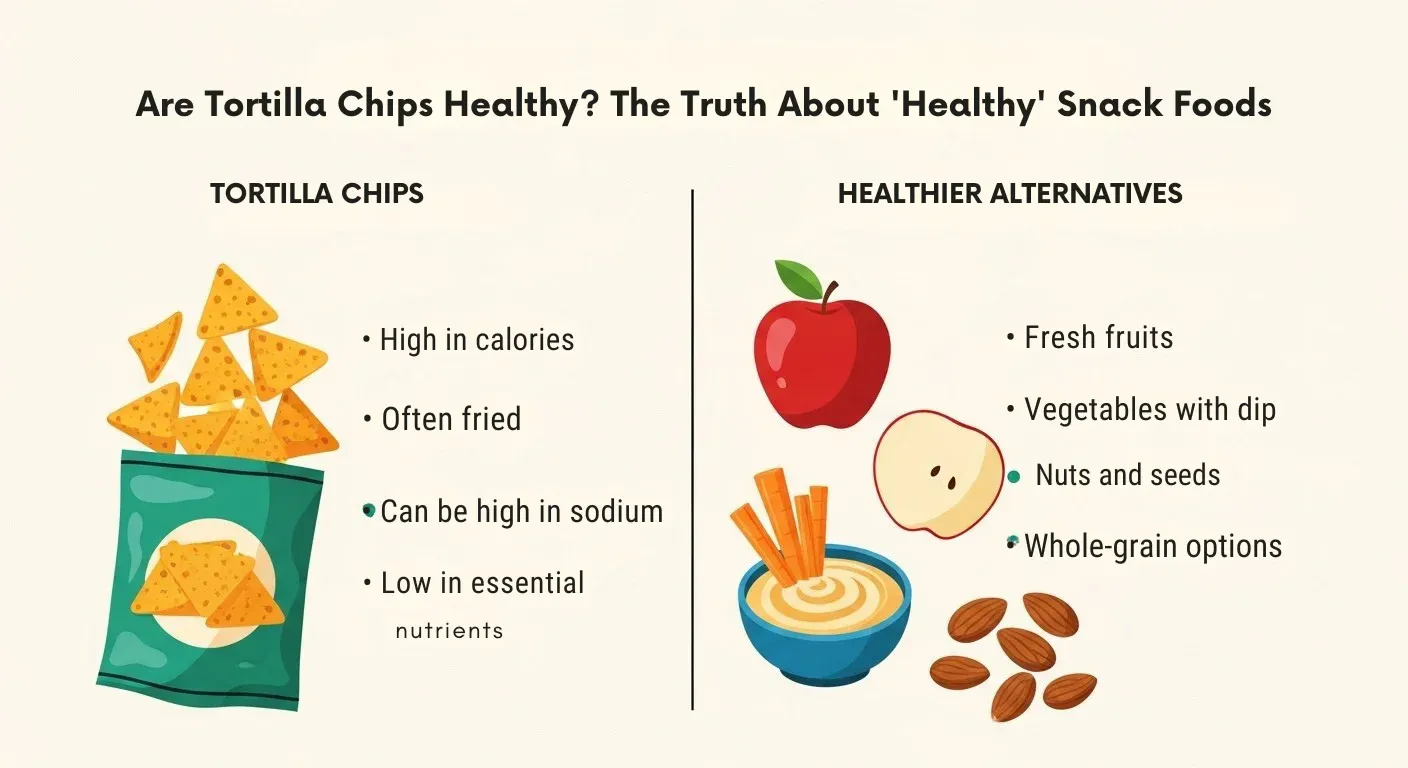
Are Tortilla Chips Healthy? The Truth About ‘Healthy’ Snack Foods

You open the bag. Just one more chip, you say to yourself. While you’re watching TV, you find that you’ve eaten half the bag. Rent the sound familiar Tortillas may have some nutrition benefits but also have the potential to have some disadvantages based on usage. Let’s dissect and analyze the facts so you can make a decision on this popular snack.
The Nutritional Reality of Tortilla Chips
What Actually in That One Ounce Serving:
The numbers tell an interesting story when you look at the standard serving size of tortilla chips (about one ounce or 7-10). The USDA estimates that a typical serving size has about 140 calories, 7 grams of fat, 19 grams of carbohydrates and about 2 grams of protein. The problem is, though, that most people do not allow themselves to stop at one ounce!
The Whole Grain Advantage:
Made from whole grain corn, these also contain the bran, germ and endosperm of the original grain and are higher in fiber and micronutrients than refined whole grain corns. Consuming whole grains has been linked to a healthier lifestyle, such as reduced risk of heart disease, type 2 diabetes and some cancers.
Corn tortilla chips are made from a whole grain and are distinct from many snack foods when it comes to whole grain. Another tradition, nixtamalization, is the soaking and cooking of corn in alkaline solutions, which also makes traditional corn tortilla a benefit for the people. This ancient method enhances the bioavailability of niacin (vitamin B3) and can help to greatly improve calcium absorption. The process also decreases the presence of antinutrients and enhances the quality of the protein. Corn tortillas are a naturally gluten-free, complimentary source of carbohydrates and a safe snack for people who are sensitive to, or have celiac disease.
The Dark Side of Snack Foods
Ultra-Processed Foods and Your Health:
In February 2024, a study was published in The BMJ known as “Ultra-processed food exposure and adverse health outcomes: umbrella review of epidemiological meta-analyses” analyzed 45 studies with nearly 10 million participants. The results were alarming: an increase in consumption of ultra-processed foods was linked to an increase in the risk of death from cardiovascular diseases of about 50% and common mental illnesses by the same amount. There was also strong evidence that high intake is associated with a risk for anxiety up to 53% higher, and an early death from any cause 20% higher than in people with low intake.
Another comprehensive analysis published in Advances in Nutrition in January 2024, “Ultra-Processed Foods and Human Health: A Systematic Review and Meta-Analysis of Prospective Cohort Studies,” found moderate-quality evidence linking ultra-processed food consumption with increased risks of all-cause mortality, cardiovascular disease, type 2 diabetes, and colorectal cancer.
This research was expanded in a May 2024 study published in The BMJ, which studied specific classes of ultra-processed foods, led by Harvard researchers. They discovered that the relationships between food consumption and health risks were very different across foods, and that overall consumption of ultra-processed food consumption was associated with health risks. Processed meats, sugary breakfast foods and sugar-sweetened beverages had the strongest relationship with early death whereas foods such as whole grain breads had little or no relationship with early death.
The Portion Control Problem:
Even if tortilla chips have some redeeming qualities, portion control remains the biggest challenge. Research from Cornell University’s Food and Brand Lab revealed fascinating insights. In a study published in Health Psychology, researchers found that people eating from unmarked tubes of chips underestimated their consumption by about 13. The study demonstrated that visual cues like colored inserted at intervals helped people monitor intake and “interrupt their semi-automated eating habits.”
Why is this important? Small, crunchy foods make eating “automatic. You start to fall into a pattern and before you know it, you’ve eaten much more than originally planned.
Chips come in 3-4 ounces (30-50) per serving, and it is very easy to eat 3-4 servings at one time which is equivalent to 3-4 times the calories, fats, and sodium. This habit, with time, leads to over consumption of calories and can crowd out healthy whole foods.
The Dip Dilemma Adding Fuel to the Fire
In a 2024 study published in the journal Food Quality and Preference, researchers at Penn State University discovered an interesting fact: They found that people consumed a similar number of chips regardless of whether or not the dip was present. They didn’t compensate by eating fewer when dip was present they ate the same plus the dip. This resulted in a 77% higher caloric intake overall. The average consumed during the “dip session” was 345 calories and 195 calories when the chips were served alone.
However, some dips have nutritional benefits. Salsa is a low calorie, vitamin, antioxidant, and vegetable source. Guacamole provides heart healthy monounsaturated fats and fibre. Plant protein, fiber, iron and folate are added to the beans with bean dips. The important thing to remember is that the dip doesn’t just add calories on its own; it’s an addition to the calories that already exist in the dish.
Sodium The Hidden Health Concern
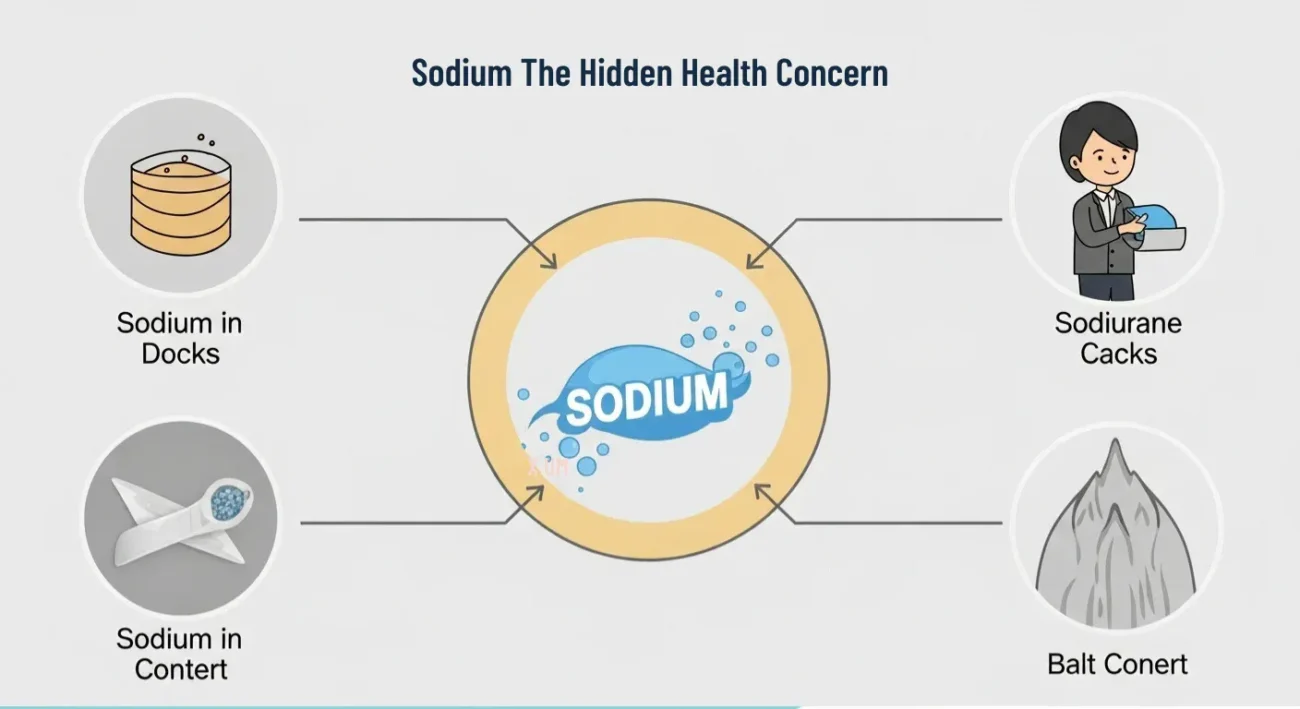
A single serving (1 ounce) of plain tortilla chips is less than 5% of your daily sodium value, which means that technically, it is a low-sodium food; however, it can add up fast when you have several servings. Other flavored ones have way more salt than plain.
Too much sodium in the diet can cause high blood pressure and raise the risk of cardiovascular disease. Those who have hypertension or are monitoring sodium intake will be even more conscious of serving size and the type of chips consumed.
So, Are Tortilla Chips Actually Healthy
Tortilla chips can fit into a healthy diet when:
- You stick to true portion sizes (one ounce)
- You choose varieties made from whole grain corn
- You pair them with nutrient-dense dips like salsa, guacamole, or bean dip
- You consume them occasionally, not daily
- You practice mindful eating instead of mindless munching
Tortilla chips become problematic when:
- You eat them directly from large bags without measuring
- They’re heavily processed with artificial additives
- They replace more nutritious whole foods in your diet
- You consume them frequently alongside high-calorie dips
- They’re loaded with excess salt or fried in unhealthy oils
Better Snacking Strategies
- Look for chips with fewer ingredients Quality Over Convenience. The healthiest choices use whole corn or whole grain corn as the main ingredient and no other ingredients but oil and salt. Don’t offer foods with long ingredient lists containing artificial flavors, colors or preservatives.
- Learn how to portion, never eat chips right out of the bag. Take a 1-ounce portion (7-10) out of a bowl and set the bag aside. This small gesture provides a visual cue to stop and helps avoid mindless eating.
- Ideally, purchase single-serving sizes rather than family size. Yes, it will be more expensive per ounce, but the convenience of having the portion control built in is good.
- Make a Balanced Snack: don’t eat it by itself. Serve size with fresh vegetables, protein, such as Greek yogurt or hardboiled eggs or a fruit. Mixing this together not only boosts nutrients, but also helps to satisfy hunger, and helps to regulate blood sugar.
The Bigger Picture What Makes a Snack “Healthy”
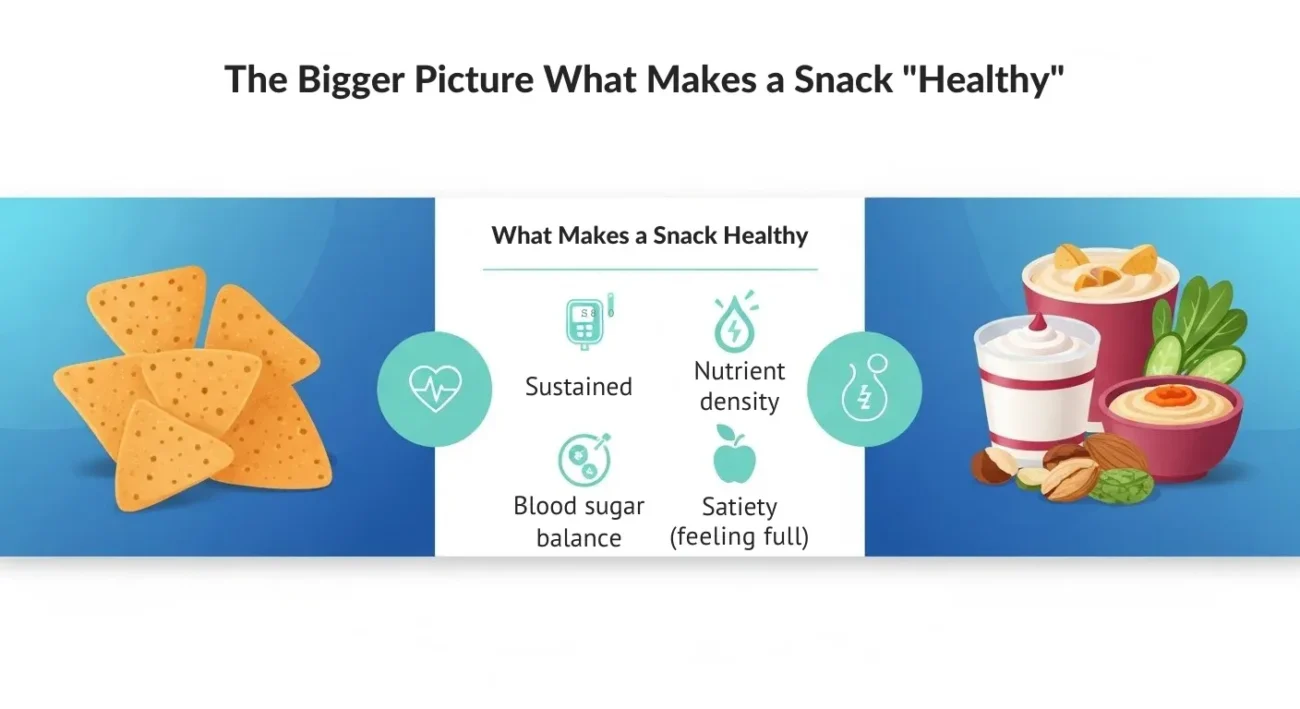
The tortilla chip question reveals a larger truth about modern snacking: context matters more than individual food choices.
Snacking in and of itself is not good or bad. Studies indicate that it accounts for approximately 27% of children’s daily calorie consumption and a large part of the calories consumed by adults. Those snack selections can make or break good health.
A “Healthy” Snack:
- Provide sustained energy without causing blood sugar spikes
- Contribute meaningful nutrients not just empty calories
- Support satiety between meals
- Fit reasonably into your overall eating pattern
Do so on purpose, in small amounts, and within a diet that is full of whole foods, vegetables, fruits, lean proteins, and good fats. Rules and restriction based on guilt will never benefit you as balance and mindfulness. A healthy snack is one that will make you feel good, give you nourishment and won’t take the place of other foods you need. Sometimes, that snack may only be tortilla chips and sometimes, that’s okay.
References:
- Ultra-processed food exposure and adverse health outcomes: umbrella review of epidemiological meta-analyses.
- Ultra Processed Foods and Human Health: A Systematic Review and Meta-Analysis of Prospective Cohort Studies.
- Association of ultra-processed food consumption with all cause and cause specific mortality: population based cohort study.
- Edible ‘stop signs’ in food could help control overeating.
- Serving a dip with a salty snack promotes energy intake.