
Lexotanil Tablet: Uses, Dosage, Side Effects & More

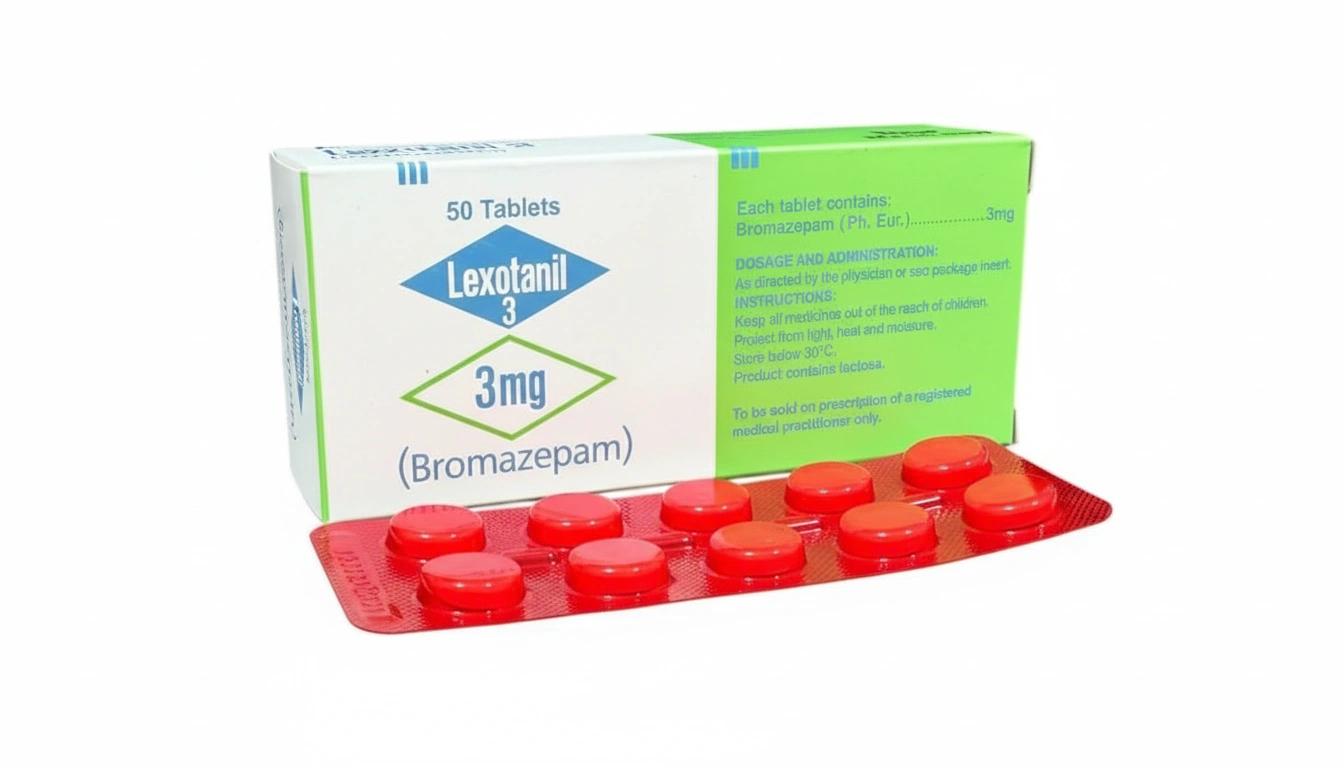
Lexotanil can be an effective short-term solution for anxiety, tension, and sleep difficulties when used responsibly under proper medical supervision. However, its potential for dependence, withdrawal, and serious drug interactions makes it a medication that should never be taken lightly or without a prescription. Always follow your doctor’s instructions, never exceed the recommended dose, and speak openly with your healthcare provider about any side effects or concerns you experience during treatment.
What Is Lexotanil?
Lexotanil is a prescription medicine containing bromazepam as its active ingredient. It belongs to the benzodiazepine class of drugs and works by boosting the effect of GABA a natural brain chemical that slows down nervous system activity and creates a calming effect.
In low doses, it selectively reduces tension and anxiety. In higher doses, sedative and muscle-relaxing effects also appear. It does not have antidepressant or antipsychotic properties.
Lexotanil was patented in 1961 and approved for medical use in 1974. In Pakistan, it is manufactured by Martin Dow Pharmaceuticals and is available in 3 mg and 6 mg tablet strengths.
Lexotanil Uses
Doctors prescribe Lexotanil for several conditions related to anxiety and the nervous system:
- Anxiety disorders – reduces nervousness, worry, tension, and panic attacks
- Insomnia – helps with sleep by calming anxiety-driven sleeplessness
- Psychosomatic disorders – addresses anxiety linked to heart, respiratory, digestive, or urinary symptoms caused by emotional stress
- Pre-surgical sedation – used as a premedicant to relieve anxiety before minor procedures
- Alcohol withdrawal support – helps manage agitation during withdrawal in clinical settings
- Muscle spasms – occasionally used due to its muscle-relaxant properties
- Seizure disorders (adjunct) – used alongside other anticonvulsants in some cases, though not a first-line treatment
How Lexotanil Works
Bromazepam binds to GABA-A receptors in the brain, making them more responsive to GABA. This causes chloride ion channels to open more frequently, which reduces nerve cell excitability and produces a calming effect throughout the CNS.
It does not directly activate these receptors it simply amplifies the brain’s own natural “calm down” signal. This is what separates benzodiazepines from older sedatives like barbiturates.
| Condition | Typical Dose | Frequency |
|---|---|---|
| Anxiety (Outpatient) | 1.5 mg – 3 mg | Up to 3 times daily |
| Anxiety (Hospitalized) | 6 mg – 12 mg | 2–3 times daily |
| Insomnia | 3 mg – 6 mg | At bedtime |
| Elderly / Frail Patients | 3 mg per day | Divided doses |
How to take it correctly:
- Swallow the tablet whole with a full glass of water never crush or chew it
- Take on an empty stomach or 30 minutes before a meal, as advised by your doctor
- If you miss a dose, take it as soon as you remember but never double up on doses
- Treatment duration is typically 2 to 4 weeks prolonged use raises dependence risk significantly
Pharmacokinetics How the Drug Behaves in Your Body
Understanding how Lexotanil moves through your body helps explain why timing and dosage matter.
- Onset of effect: Within a few hours of the first dose
- Duration: Effects last up to 12 hours
- Peak plasma level: Reached within 0.5 to 4 hours after taking the tablet
- Bioavailability: Approximately 84% after oral intake
- Protein binding: Around 70% binds to plasma proteins
- Metabolism: Processed by the liver via cytochrome P450 enzymes
- Elimination: Fully cleared from the body within approximately 2–3 days
Side Effects of Lexotanil
Most people tolerate Lexotanil well at prescribed doses, but side effects can still occur.
Common side effects:
- Drowsiness and sedation
- Dizziness or lightheadedness
- Fatigue and muscle weakness
- Ataxia (loss of coordination or unsteadiness)
- Memory impairment and reduced concentration
- Slowed reaction time
Less common side effects:
- Headache
- Double or blurred vision
- Confusion or disorientation
- Slurred speech
- Mood changes or irritability
- Reduced libido
Serious side effects seek emergency medical help immediately:
- Severely slow or difficult breathing (respiratory depression)
- Paradoxical reactions such as sudden agitation, aggression, or hallucinations (more likely in children and the elderly)
- Extreme confusion or complete memory loss
- Signs of overdose: unconsciousness, limpness, inability to wake up
Studies show that bromazepam reduces working memory and impairs information processing. These effects become much worse when combined with alcohol.
Warnings and Precautions
Dependence and Addiction Risk
Lexotanil is a habit-forming controlled substance. Both physical and psychological dependence can develop even after as little as 4 weeks of regular use. It has a higher abuse potential than some other benzodiazepines due to its fast absorption and rapid onset of action.
Do Not Stop Suddenly
Stopping Lexotanil abruptly can trigger a dangerous withdrawal syndrome. Always taper off gradually under medical supervision.
Withdrawal symptoms can include:
- Rebound anxiety and panic
- Insomnia and sleep disturbances
- Tremors and excessive sweating
- Muscle and abdominal cramps
- Headaches and difficulty concentrating
- In severe cases: seizures, delirium, or catatonia
Driving and Machinery
Avoid driving or operating heavy machinery until you know how Lexotanil affects you. Even low doses can impair coordination and reaction time. Alcohol makes this significantly worse.
Alcohol and Grapefruit Juice
Strictly avoid both while taking Lexotanil. Alcohol combined with Lexotanil can cause dangerous respiratory and cardiovascular depression, coma, and death. Grapefruit juice can interfere with bromazepam metabolism and unpredictably alter its effects.
Respiratory Conditions
People with severe respiratory insufficiency, asthma, COPD, or sleep apnea should avoid Lexotanil — it relaxes throat muscles and can worsen breathing, especially during sleep.
Liver and Kidney Disease
Bromazepam is processed by the liver. Impaired liver function slows drug clearance, raising the risk of toxic buildup and hepatic encephalopathy. Dose reduction is essential.
Elderly Patients (60+)
Older adults metabolize drugs more slowly and are significantly more sensitive to benzodiazepines. They face higher risks of falls, over-sedation, and cognitive decline. Always start at the lowest effective dose.
Drug Interactions
Always tell your doctor and pharmacist about every medicine, supplement, or herbal product you take.
| Drug / Substance | Interaction |
|---|---|
| Alcohol | Dangerous CNS depression — strictly avoid |
| Other benzodiazepines / sedatives | Additive CNS depression |
| Opioid pain medicines | Increased risk of respiratory depression |
| Antidepressants (SSRIs / TCAs) | Increased sedation |
| Antipsychotics / phenothiazines | Increased sedation |
| Anticonvulsants (phenytoin, valproic acid) | May reduce Lexotanil’s effectiveness |
| Azole antifungals (e.g., itraconazole) | May prolong Lexotanil’s half-life |
| Macrolide antibiotics | May slow bromazepam metabolism |
| Oral contraceptives | May alter bromazepam pharmacokinetics |
| Cimetidine (antacid) | May prolong elimination half-life |
| HIV protease inhibitors | May increase bromazepam blood levels |
Contraindications Who Should NOT Take Lexotanil
Lexotanil must not be used in people with any of the following:
- Known allergy to bromazepam or any benzodiazepine
- Severe respiratory insufficiency
- Severe liver (hepatic) insufficiency
- Sleep apnea syndrome
- Active alcoholism or drug dependence
- Myasthenia gravis
- Children under 18 (not recommended without special medical justification)
Use in Special Populations
Pregnancy
Lexotanil is not recommended during pregnancy. It crosses the placenta and can cause low muscle tone, hypothermia, and breathing difficulties in newborns. Babies born to mothers who used it chronically may experience neonatal withdrawal syndrome after birth. Contact your doctor immediately if you become pregnant while on this medication.
Breastfeeding
Bromazepam passes into breast milk. Breastfeeding while taking Lexotanil is not recommended as it poses a risk to the infant.
Elderly Patients
Start at the lowest effective dose. Slower metabolism in older adults means the drug stays in the body longer, increasing the risk of sedation, falls, and confusion.
Children
Lexotanil is generally not prescribed for children under 18. In rare medically justified cases, the dose must be carefully calculated based on body weight (approximately 0.1–0.3 mg/kg).
Overdose Signs, Risks & What to Do
Bromazepam overdose alone is rarely fatal in healthy adults, but it becomes life-threatening when combined with alcohol or other CNS depressants, potentially causing a deep coma.
Warning signs of overdose:
- Extreme drowsiness progressing toward unconsciousness
- Severe confusion, slurred speech, and loss of balance
- Low blood pressure and slowed or stopped breathing
- Inability to wake the person up
Immediate steps to take:
- Call emergency services (1122 / Rescue) right away do not wait
- Keep the person on their side (recovery position) to prevent choking
- Do not leave them alone at any point
- Inform paramedics of all substances taken, including alcohol
- In a hospital, doctors may administer Flumazenil, a benzodiazepine antidote, to reverse the effects
Safe Discontinuation How to Stop Lexotanil Properly
Never stop Lexotanil suddenly, especially after weeks or months of use. A structured tapering plan is essential to avoid dangerous withdrawal.
- Consult Your Doctor First Your doctor will assess your dose, duration of use, and personal risk factors before creating a tapering plan tailored to you.
- Reduce the Dose Gradually The general recommendation is to reduce the total daily dose by around 10–25% every 1–2 weeks. The slower the better, especially for long-term users.
- Monitor for Withdrawal Symptoms Watch for rebound anxiety, insomnia, tremors, sweating, muscle cramps, or mood swings during tapering. Report any severe symptoms to your doctor immediately the pace of tapering may need to slow down.
- Add Psychological Support Your doctor may recommend cognitive behavioural therapy (CBT) or counselling during withdrawal, since the underlying anxiety condition may return. Psychological support greatly improves long-term outcomes.
- Post-Discontinuation Follow-Up Withdrawal symptoms can persist for several weeks to months after the last dose if physical dependence has developed. Regular follow-up appointments are essential for safe, full recovery.
Storage Instructions
- Store below 30°C in a cool, dry place
- Protect from direct heat, light, and moisture
- Keep out of reach of children and pets
- Always check the expiry date before taking
- Store in the original packaging
Medical Disclaimer: This article is for informational purposes only and does not constitute medical advice. Lexotanil is a prescription-only controlled substance. Always consult a licensed healthcare professional before starting, stopping, or adjusting your dose.