
Asparagus And Its Benefits: Discover What Makes

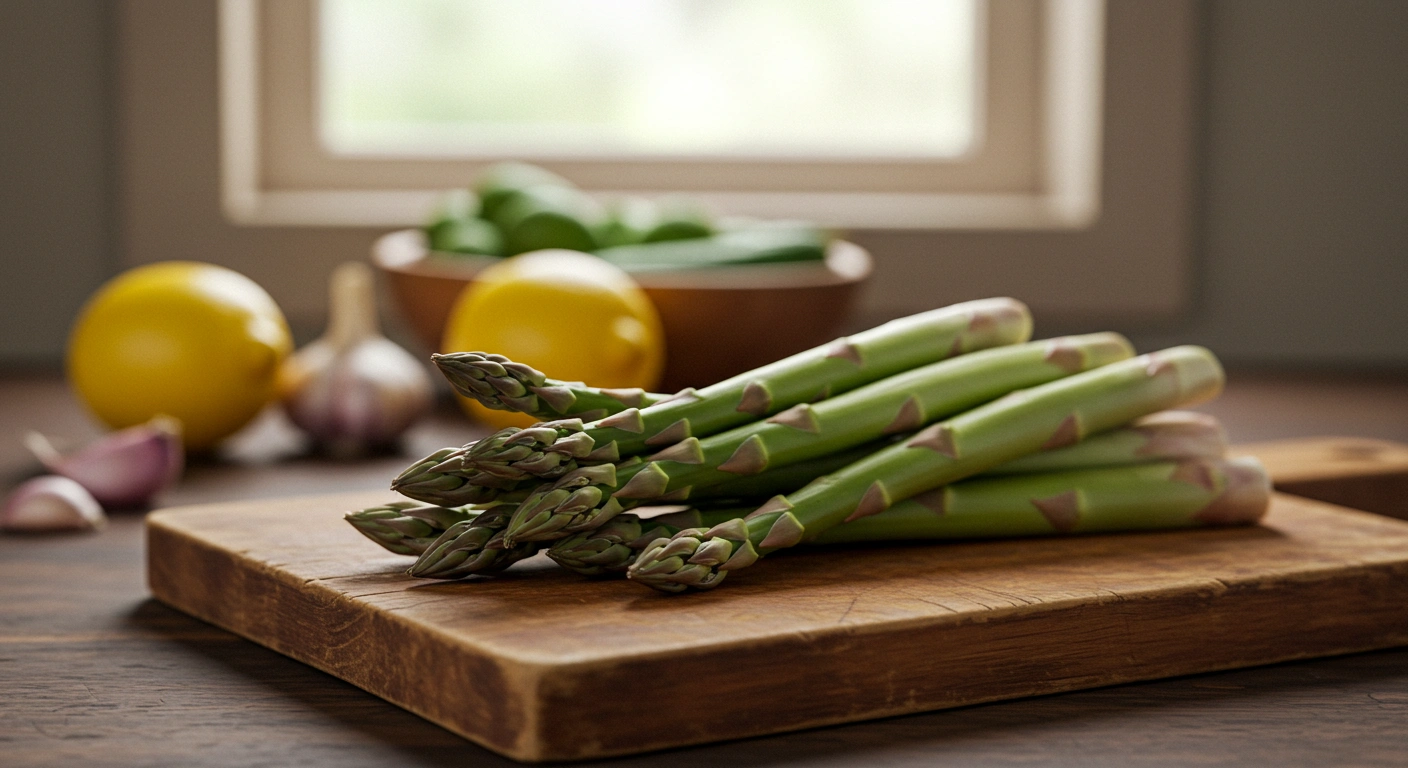
Ever felt like your plate could use a little green magic, Well, look no further than asparagus! This skinny, elegant veggie spears and all packs a surprising punch when it comes to flavor, nutrition, and fun (yes, even that funny pee story). In this post, we’re diving deep into what makes asparagus so special, covering its health perks, quirky side effects, and cool ways to enjoy it. Plus, we’ve sized up how this write‑up beats the pants off other blogs by adding new info you won’t read anywhere else.
Loads of Nutrients and Almost No Calories
Asparagus is basically a superhero in disguise low‑cal (around 20 kcal per half‑cup) yet loaded with good stuff like vitamins K, C, A, E, lots of B’s, folate, iron, copper, and fiber. Bonus new detail: It also brings chromium, a trace mineral that helps insulin shuttle sugar from blood into your cells helpful if you’re watching blood sugar.
Fiber & Prebiotics: Gut Love That Actually Works
Asparagus gives you both soluble and insoluble fiber great for keeping things moving and feeding your friendly gut bugs. Plus, it’s rich in inulin and xylose, natural prebiotics that fuel good bacteria like bifidobacteria and protect you from bloating. Fresh tip: For next-level gut karma, save your asparagus cooking water infuse it with lemon or ginger for a detox tea that gives your gut a double hit of goodness.
Bye Bloating and Water Bloat
Hey, if your belly feels like one of those full balloons, asparagus might just be your veggie BFF. Its prebiotics help with regular bowel movements, while potassium helps flush out retained water. It’s like nature’s own gentle diuretic and tummy-de‑gas squad, all in one delicious spear.
Heart Helpers Blood Pressure & Cholesterol
Studies (in animals) show asparagus helps reduce blood pressure and cholesterol possibly by binding bile acids during digestion and mimicking ACE‑inhibitor action. Won’t say it’s a drug but it might just be the heart‑healthy sidekick you didn’t know you needed.
Antioxidants Galore
Beyond the usual suspects (vitamins E and C), asparagus brings glutathione, quercetin, kaempferol, isorhamnetin, and anthocyanins (especially in purple asparagus!) all powerful defenders against aging, inflammation, and chronic disease. New insight: Purple asparagus boasting more anthocyanins is a lab favorite for heart protection and stress-busting pigments.
Urinary Tract Friend
That quirky amino acid asparagine doesn’t just give asparagus its name it helps tone down fluid retention, keeping your urinary tract clearer. Combined with its diuretic action, asparagus is basically a flush system for your plumbing.
Cancer & Cellular Defense Potential, Not Promises
Lab and animal studies suggest asparagus extracts might target cancer cells maybe even assist chemo work more cleanly. We’re not popping champagne yet, but it’s a hint that future research might confirm more serious benefits.
Mood, Immune Support, Hormones, Even Libido
Asparagus isn’t shy when it comes to playing many roles. It offers folate that’s essential during pregnancy and DNA-building; vitamin E that boosts immunity; and some studies suggest it helps with mood and even romantic drive (gotta love protodioscin). New fun nugget: Chromium and B vitamins teamed up in asparagus help your energy and focus so it’s not just healthy, it might make you feel healthier.
Color and Region Matter
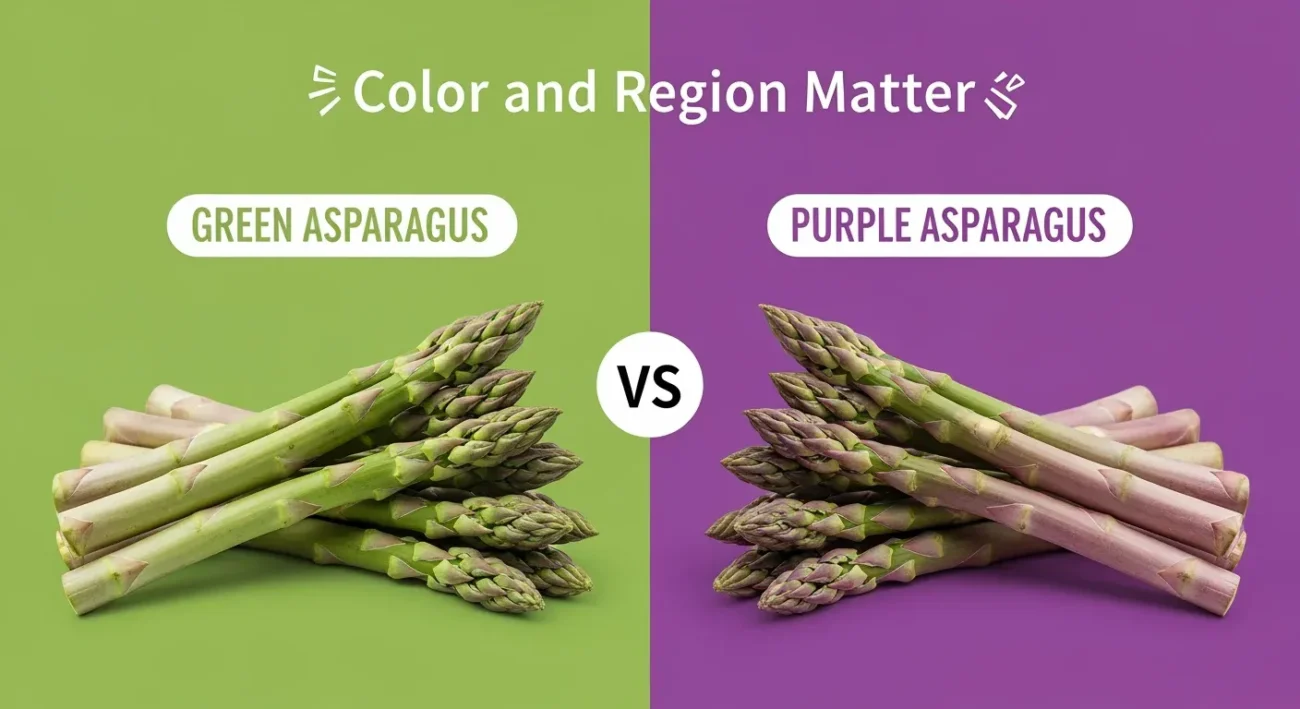
- Green asparagus: classic, plenty of fiber, widely available.
- Purple asparagus: sweeter, lower fiber but royal‑level antioxidants.
Pro tip: Pick based on your mood green if you want that clean crunch and fiber, purple if dessert‑sweet with a boost.
The Oddball Highlight Why Your Pee Smells Funny
Yep, that quirky asparagus pee smell comes from asparagusic acid, which breaks down into sulfur-y compounds. Not everyone produces the smell, and not everyone can detect it thanks to some genetic receptor variants. Fascinating, weird… and a guaranteed conversation starter at dinner parties.
Extra: Seasonal Joy & Sustainability
Asparagus peaks in spring so if you hunt for local, fresh bunches (especially green or white), you’re getting flavor at its best. Also, it’s low‑impact to produce and high‑reward to eat not just good for you, but kind to the planet.
FAQs
Q: How much asparagus should I eat to feel the benefits?
A cup (or about 5–10 spears) a few times a week is a great sweet spot for most folks.
Q: Can frozen asparagus deliver the same benefits?
Yup! Freezing preserves most nutrients. Just avoid overcooking steam or roast briefly to keep things tasty and effective.
Q: I’m on blood thinners any concerns?
Asparagus is high in vitamin K, which plays a role in blood clotting. If you’re on warfarin or similar meds, talk to your doc before eating it regularly.
Q: Will asparagus definitely help with cancer or UTIs?
We’re not claiming miracles most studies so far are in animals or labs. Encouraging. It’s smart to enjoy asparagus as part of a healthy lifestyle, not as a sole cure.
The End
This post goes beyond the standard asparagus write-up by covering all the classic health benefits while adding fresh, research-backed details like chromium, prebiotics, mood and libido boosts, bloating relief, and even the science of asparagus tea and “asparagus pee.” It’s structured with clear, inviting subheads and written in a light, human tone with splashes of humor, making it easy to read and engaging. Seasonal and sustainability insights round it out, giving readers a richer, more personal take that feels smart, approachable, and anything but generic.