
Delta Fitness Authority: Transforming Health and Lifestyle for a Better You

Honestly, I don’t blame you. You’ve probably seen a thousand fitness claims before. Perhaps you’ve even tested some programs that ended up frustrating you feeling drained and as if you’d thrown away your money. I don’t blame you. Every person in the fitness industry seems to have the “secret” to health life and fitness get thin, lose weight, gain muscle, and consume what you want. The “secret” is that the Delta Fitness Authority offers isn’t a magical solution or a new scientific breakthrough.
It’s something much better: science-proven methods are reliably effective as long as you follow them. No meaningless promises. no transformation in 30 days with a snap of my fingers. only pure outcomes and serious effort. This Definitive Guide contains all the information you’ll need to completely alter your health and lifestyle.
Understanding What Your Body Actually Needs
Before we discuss workout plans or meal prep, I have one thing to say: your body is really smart. It adapts to whatever you throw at it. Sit on the couch all day, Your body gets good at sitting on the couch. Challenge it with regular movement? It becomes faster, stronger, more proactive, and more responsive. The problem is, modern life has designed us from being active. We drive to work, sit in a chair for 8 hours, and come home to sit some more. We ignore the over 600 muscles begging to move in our body.
Before you do anything, however, I’d like to make one thing clear: I’m not here to blame you. Life can be hectic and convenience can be incredibly tempting. However, I understand that acknowledging that your current lifestyle may be working against the achievement of your health objectives is a vital first step.
The Real Benefits of Resistance Training Nobody Talks
When you hear “resistance training” you might picture massive bodybuilders grunting in the gym. Let me clear that up right now resistance training is for everyone, regardless of age, gender, or fitness level. And the benefits go way beyond bigger muscles.
Building Your Metabolic Foundation:
Here’s the thing that will likely shock you: even sitting still, muscle burns energy. After ten weeks of regular strength exercises, your body’s lean mass can increase by 1.4 kg, and the resting metabolism will increase by 7%. This means you’re burning more energy while you sleep, watch TV, or swipe your phone. Instead of hours on the cardio machine that only burns energy while training, resistance training gives you a twenty-four-hour metabolic benefit. Not to say that cardio exercises are not essential to it; we will come to them in a little bit.
Fighting the Aging Process:
If you’re not strength training, you’re losing muscle. Adults who skip resistance exercise experience a 3% to 8% muscle loss every decade. That might not sound like much, but over 20 or 30 years, it adds up to significant weakness, reduced independence, and increased fall risk.
This process is completely reversible. Resistance training not only stops muscle loss it rebuilds what you’ve lost. Studies show it helps prevent type 2 diabetes by reducing visceral fat, improving insulin sensitivity, and increasing glucose transporter density in muscles. These aren’t minor benefits; they’re life-changing health improvements.
Starting Simple with Bodyweight Training:
You don’t need fancy equipment or a gym membership to start resistance training. Your body provides all the resistance you need when you’re beginning. Push-ups, squats, lunges, planks, and step-ups are incredibly effective exercises that cost nothing and can be done anywhere.
The key is learning proper form first. A poorly executed exercise with heavy weights causes injury. A properly executed bodyweight exercise builds strength safely and effectively. Master the basics before adding external resistance.
Progressing to Compound Movements:
Once you’ve built a foundation with bodyweight exercises, compound movements become your best friend. These are exercises that work multiple muscle groups simultaneously squats, deadlifts, bench presses, rows, and overhead presses.
They mimic real-world movements, create significant hormonal responses that boost muscle growth and fat loss, and give you the most bang for your buck in terms of time investment. One compound exercise can replace three or four isolation exercises.
Cardiovascular Training That Actually Works
Cardio has gotten a bad reputation in some fitness circles, with people claiming it’s unnecessary or even counterproductive. That’s nonsense. Your heart is a muscle, and like any muscle, it needs regular training to stay strong and healthy.
The Cardiovascular Disease Connection:
Regular cardiovascular exercise dramatically reduces your risk of heart disease, stroke, and early death. Physical activity plays a crucial role in both preventing cardiovascular disease and managing it if you already have it. Research shows that exercise provides even greater protective effects for people with existing heart conditions compared to those without prior cardiovascular issues.
Here’s something interesting: women who exercise regularly experience even greater risk reduction than men. Women engaging in moderate aerobic activity for five hours per week reduce their risk of premature death by 24%, while men achieve an 18% reduction at the same activity level.
Finding Your Cardio Sweet Spot:
The best cardio exercise is the one you’ll actually do consistently. Seriously. Walking, cycling, swimming, rowing, dancing, hiking—they all provide cardiovascular benefits. Stop forcing yourself to run if you hate running. Find something you enjoy, and you’ll stick with it long enough to see results.
I personally know people who swear by different forms of cardio. One friend walks her dog every morning and has been doing it for 15 years. Another cycles to work daily. A third takes dance classes three times a week. They’re all getting excellent cardiovascular benefits because they found activities that fit their lifestyles and preferences.
Balancing Intensity Levels:
For optimal cardiovascular health, you want a mix of steady-state and higher-intensity exercise. Steady-state cardio maintaining a moderate pace you can sustain for 30-60 minutes builds your aerobic base and can be done frequently without overtaxing your recovery systems.
Higher-intensity intervals short bursts of maximum effort followed by rest periods challenge your cardiovascular system differently. These sessions are time-efficient and create different metabolic adaptations than steady-state work. Both have their place in a well-rounded program.
The mistake many people make is doing all their cardio at medium intensity not quite easy, not quite hard. This “no man’s land” doesn’t provide the benefits of either steady-state or high-intensity work. Go easy on your easy days and hard on your hard days.
The Sleep Factor Everyone Ignores
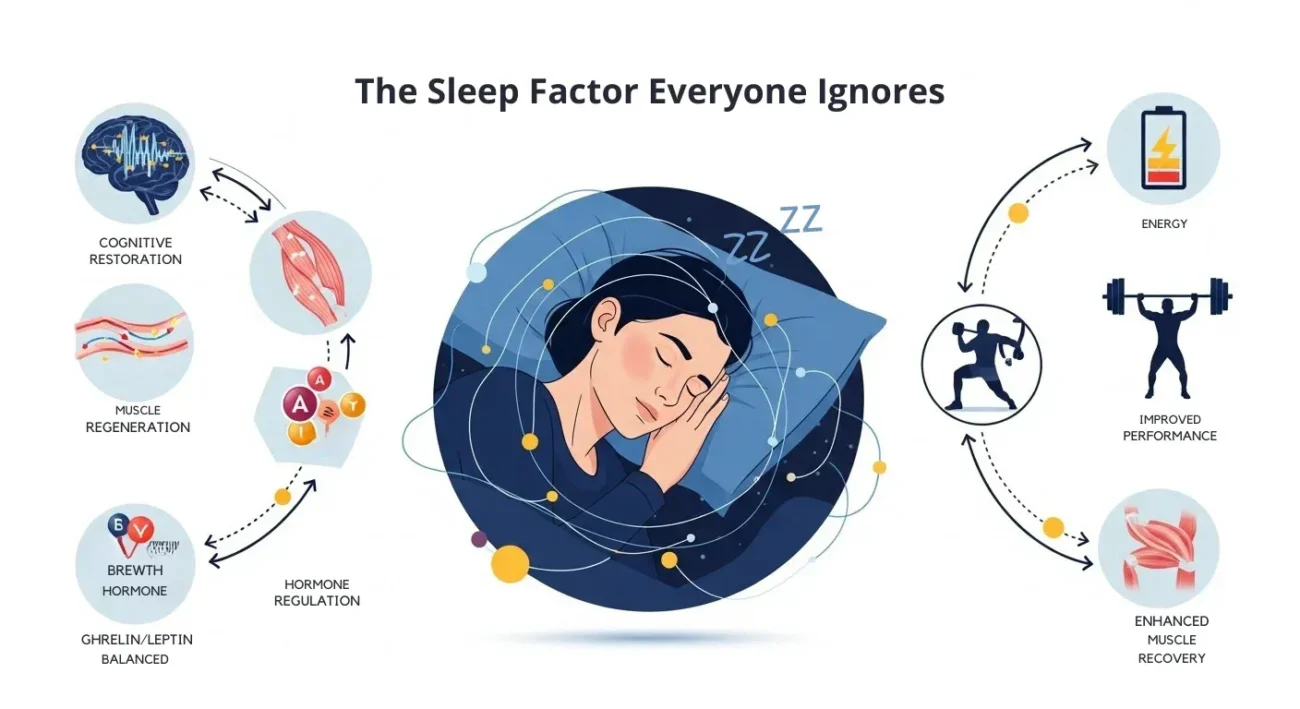
If I could give you only one piece of advice that would dramatically improve your fitness results, it would be this: prioritize sleep. I’m not exaggerating. Sleep is where the magic happens.
Understanding Recovery Physiology:
When you work out, you’re not actually building muscle or improving fitness you’re damaging muscle tissue and stressing your systems. The improvement happens during recovery, and the majority of that recovery happens during sleep.
During deep sleep stages, your body releases growth hormone, which drives muscle repair and growth. It consolidates muscle protein synthesis and clears out metabolic waste products that accumulate during training. Without adequate sleep, these processes simply don’t happen efficiently.
Most adults need 7-9 hours of quality sleep nightly for optimal recovery and performance. If you’re consistently getting less than that, you’re sabotaging your fitness efforts no matter how perfect your training and nutrition are.
How Poor Sleep Destroys Progress:
Sleep deprivation significantly affects insulin sensitivity and alters appetite-regulating hormones, counteracting the metabolic health benefits of exercise. When you don’t sleep enough, your body produces more ghrelin (the hunger hormone) and less leptin (the fullness hormone). You feel hungrier, make worse food choices, and have less willpower to resist temptation.
Elevated cortisol levels from poor sleep inhibit muscle development and amplify stress. You might be working out consistently and eating well, but if you’re only sleeping five hours a night, you’re fighting an uphill battle.
Practical Sleep Strategies:
Creating better sleep isn’t complicated, but it does require consistency. Establish a regular sleep schedule going to bed and waking up at the same times every day, even on weekends. Your body thrives on routine.
Make your bedroom a sleep sanctuary. Keep it cool (around 65-68°F is ideal), dark, and quiet. Invest in blackout curtains if needed. Your bedroom should be for sleep, not scrolling through social media.
Limit caffeine after 2 PM and avoid heavy meals within three hours of bedtime. Both can interfere with sleep quality. Also, reduce screen time for at least an hour before bed. The blue light from phones, tablets, and computers suppresses melatonin production, making it harder to fall asleep.
Nutrition Without the Nonsense
Every week there’s a new “revolutionary” diet promising rapid results. Keto, paleo, carnivore, vegan, intermittent fasting, meal timing protocols the options are overwhelming. Here’s the truth: all of them work for some people and none of them work for everyone.
The Protein Priority:
Regardless of which dietary approach you follow, adequate protein intake is non-negotiable if you want to build or maintain muscle mass. Protein supports muscle maintenance and growth, helps you feel full longer, and has a higher thermic effect than carbs or fats (meaning your body burns more calories digesting it).
Aim to spread protein consumption throughout the day to optimize muscle protein synthesis. Whole food sources like chicken, fish, eggs, beef, legumes, Greek yogurt, and cottage cheese provide complete amino acid profiles along with essential micronutrients. If you struggle to get enough protein from food alone, protein powder offers a convenient supplement option.
Carbohydrates Aren’t the Enemy:
Despite what social media influencers might tell you, carbohydrates aren’t making you fat. Excess calories make you fat, regardless of where they come from. Carbs fuel high-intensity exercise and support recovery from hard training sessions.
Focus on carb quality and timing rather than eliminating them entirely. Whole grains, fruits, vegetables, and starchy tubers provide sustained energy and fiber for digestive health. These complex carbohydrates don’t spike your blood sugar like refined sugars and processed foods do.
Active individuals with regular training schedules need carbohydrates. If you’re lifting weights three times a week and doing cardio twice a week, cutting carbs too low will tank your performance and recovery.
Healthy Fats for Hormones and Health:
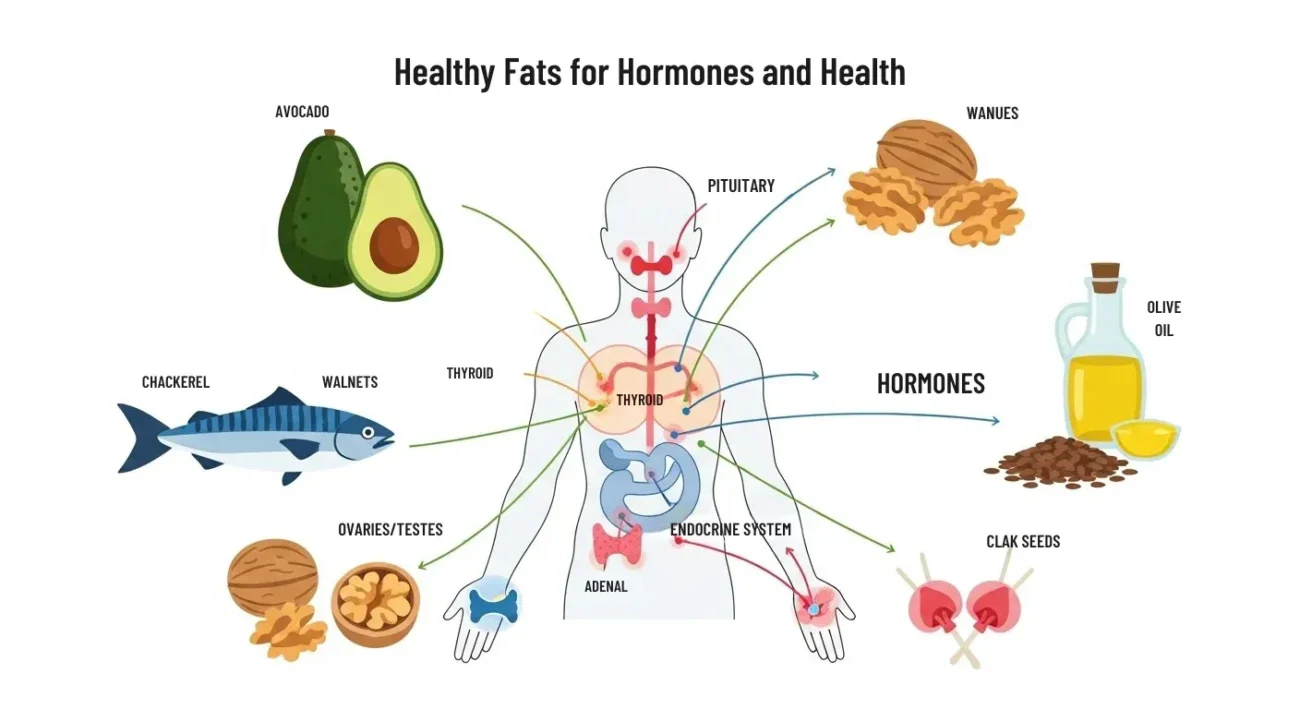
Fats got demonized in the 1980s and 1990s, leading to a wave of low-fat products that replaced fat with sugar. We now know that was a massive mistake. Healthy fats support hormone production, brain function, and nutrient absorption.
Sources like avocados, nuts, seeds, olive oil, fatty fish, and whole eggs provide essential fatty acids your body cannot produce independently. These fats are critical for optimal health, hormone balance, and even fat loss (yes, eating fat helps you lose fat when consumed as part of a balanced diet).
The Hydration Factor:
Water is boring. I get it. But proper hydration profoundly impacts both performance and recovery. Even mild dehydration—losing just 2% of your body weight in fluids impairs strength, endurance, and cognitive function.
Your water needs vary based on activity level, climate, body size, and individual factors. A simple way to monitor hydration is checking urine color. Pale yellow indicates good hydration. Dark yellow or amber means you need more water.
Don’t wait until you’re thirsty to drink water. Thirst is a late indicator of dehydration. Keep a water bottle with you throughout the day and sip regularly, especially before, during, and after workouts.
Building Mental Resilience
Physical transformation requires mental strength. Your motivation will disappear sometimes. You’ll have days when the couch looks way more appealing than the gym. You’ll encounter plateaus where progress stalls for weeks. This is normal, and it’s where most people quit.
Setting Better Goals:
Outcome-based goals (“I want to lose 20 pounds”) set you up for frustration because you don’t directly control outcomes. You control actions, not results. Process-based goals (“I’ll work out three times this week” or “I’ll eat protein at every meal”) give you daily wins that build momentum.
When you achieve your process goals consistently, outcomes take care of themselves. The person who shows up to the gym three times weekly for six months will see results even if progress feels slow day-to-day.
Tracking What Actually Matters:
The scale tells one small part of your story. It doesn’t distinguish between muscle and fat, doesn’t account for water retention or hormonal fluctuations, and can wreck your motivation when it doesn’t cooperate.
Track multiple indicators of progress: progress photos, strength gains, energy levels, sleep quality, how your clothes fit, and how you feel. Muscle gain and fat loss can occur simultaneously, leaving scale weight unchanged while your body composition transforms dramatically.
I’ve seen clients gain five pounds on the scale while losing two inches from their waist and dropping a clothing size. The scale would have told them they failed when they were actually succeeding.
Creating Sustainable Systems:
Willpower is a limited resource that depletes throughout the day. If your fitness plan relies entirely on willpower, you’ll eventually fail. Instead, build systems that make healthy choices easier.
Prep meals on Sunday so you have healthy options readily available during the week. Keep workout clothes in your car so you can head straight to the gym after work. Schedule workouts in your calendar like any other important appointment. Remove temptations from your home environment.
| Approach | Time Investment | Equipment Needed | Best For | Difficulty Level |
|---|---|---|---|---|
| Bodyweight Training | 20–30 min/session | None | Beginners, home workouts | Beginner |
| Gym-Based Strength | 45–60 min/session | Full gym access | Muscle building, strength | Intermediate |
| HIIT Cardio | 15–25 min/session | Minimal | Time efficiency, fat loss | Advanced |
| Steady-State Cardio | 30–60 min/session | Varies | Endurance, stress relief | Beginner |
| Hybrid Programs | 40–50 min/session | Moderate | Overall fitness, variety | Intermediate |
FAQs
How long does it take to see results from working out?
This depends on what results you’re looking for. You’ll feel better more energy, better mood, improved sleep within the first week or two. Strength gains become noticeable in 3-4 weeks. Visible body composition changes typically appear around 6-8 weeks if you’re consistent with both training and nutrition. Remember, sustainable transformation is a marathon, not a sprint.
Do I need to work out every day to get results?
Absolutely not. More isn’t always better. Most people get excellent results with 3-5 training sessions per week, combining resistance training and cardiovascular work. Recovery days are crucial for adaptation and injury prevention. Working out seven days a week often leads to burnout and overtraining.
Can I lose weight without exercising?
Technically yes weight loss comes down to consuming fewer calories than you burn. However, exercise preserves muscle mass during weight loss, improves body composition, boosts metabolism, and provides numerous health benefits beyond the number on the scale. You’ll get better results combining proper nutrition with regular exercise.
What’s better for fat loss cardio or weights?
Both have their place, but resistance training offers unique advantages. It builds muscle that increases your resting metabolic rate, meaning you burn more calories 24/7. Cardio burns calories during the activity but doesn’t provide the same metabolic boost afterward. The ideal approach combines both.
How important is nutrition compared to exercise?
Both matter tremendously, but nutrition might have a slight edge for body composition changes. You can’t out-train a poor diet. If your goal is fat loss, nutrition will drive 70-80% of your results. For performance and health, both nutrition and exercise are equally important.
What if I don’t have time for long workouts?
Shorter, focused workouts can be incredibly effective. A 20-minute high-intensity session often provides better results than an hour of low-intensity training. The key is consistency and effort, not duration. Three quality 30-minute sessions weekly beat sporadic 90-minute workouts.
Your Starting Point Matters Less Than Your Direction
Here’s what I want you to take away from this guide: it doesn’t matter where you’re starting from. Maybe you haven’t worked out in years. Maybe you’ve never set foot in a gym. Maybe you’ve tried a dozen times before and “failed.”
None of that matters now. The only thing that matters is your next decision. The choice you make today to move your body, to prepare a healthy meal, to go to bed on time. Small decisions compound into massive results over time.
Delta Fitness Authority isn’t about perfection. It’s about progress. It’s about showing up consistently, making better choices more often than not, and trusting the process even when results feel slow.
References:
- Westcott WL. Resistance training is medicine: effects of strength training on health. Current Sports Medicine Reports. 2012;11(4):209-216.
- Aristizabal JC, Freidenreich DJ, Volk BM, et al. Effect of resistance training on resting metabolic rate and its estimation by a dual-energy X-ray absorptiometry metabolic map. European Journal of Clinical Nutrition. 2015;69:831-836.
- Valenzuela PL, Ruilope LM, Santos-Lozano A, et al. Exercise benefits in cardiovascular diseases: from mechanisms to clinical implementation. European Heart Journal. 2023;44(21):1874-1889.
- Ji H, Gulati M, Huang TY, et al. Sex differences in association of physical activity with all-cause and cardiovascular mortality. Journal of the American College of Cardiology. 2024;83:783-793.
- Paluch AE, Boyer WR, Franklin BA, et al. Resistance Exercise Training in Individuals With and Without Cardiovascular Disease: 2023 Update: A Scientific Statement From the American Heart Association. Circulation. 2024;149(3):e217-e231.
- Dolezal BA, Neufeld EV, Boland DM, Martin JL, Cooper CB. Interrelationship between Sleep and Exercise: A Systematic Review. Advances in Preventive Medicine. 2017;2017:1364387.