
Can Facial Acupuncture Really Make You Look Younger?

Key Takeaways
- Facial acupuncture uses fine needles to stimulate circulation, collagen production, and lymphatic drainage.
- The treatment combines traditional Chinese medicine principles with modern ideas about skin physiology.
- Results typically develop gradually over multiple sessions rather than appearing immediately.
- Facial acupuncture may help improve skin texture, skin tone, elasticity, and facial tension.
- Research remains promising but limited compared with the evidence available for Botox and dermal fillers.
Facial acupuncture is a cosmetic treatment rooted in Traditional Chinese Medicine (TCM) that aims to improve circulation, stimulate collagen production, reduce facial muscle tension, and support overall skin health. Although current research remains limited, many people choose facial acupuncture because it offers a less invasive alternative to Botox, dermal fillers, and surgical procedures.
Unlike injectable treatments that target individual wrinkles, facial acupuncture approaches the face as part of an interconnected system involving circulation, stress levels, sleep quality, digestion, inflammation, and overall well-being. Supporters believe that this whole-body approach may help improve skin tone, elasticity, and radiance while promoting relaxation and balance.
In New York City, clinics such as ACA Acupuncture and Wellness have become a trusted destination for individuals seeking a more holistic approach to facial rejuvenation. In addition to facial acupuncture, many patients incorporate traditional acupuncture, cupping therapy, herbal medicine, and other therapies that support overall health and well-being.
However, facial acupuncture is not a miracle treatment, and expectations should remain realistic. Understanding both the potential benefits and the limitations is essential before deciding whether it is the right option for you.
What Is Facial Acupuncture?
Facial acupuncture, sometimes called cosmetic acupuncture or facial rejuvenation acupuncture, is a specialized form of acupuncture designed to address visible signs of aging while supporting overall health.
The practice originated from Traditional Chinese Medicine, a medical system that has been practiced for thousands of years. According to TCM theory, health depends upon the smooth movement of qi (vital energy), blood, and body fluids throughout the body.
Rather than focusing solely on wrinkles, practitioners seek to address underlying imbalances that may influence the appearance of the skin. Sleep quality, stress levels, digestion, circulation, hormonal balance, and inflammation are all believed to contribute to a person’s complexion.
Modern facial acupuncture treatments often combine traditional acupuncture principles with a growing understanding of collagen production, lymphatic drainage, and tissue repair.
How Facial Acupuncture Works
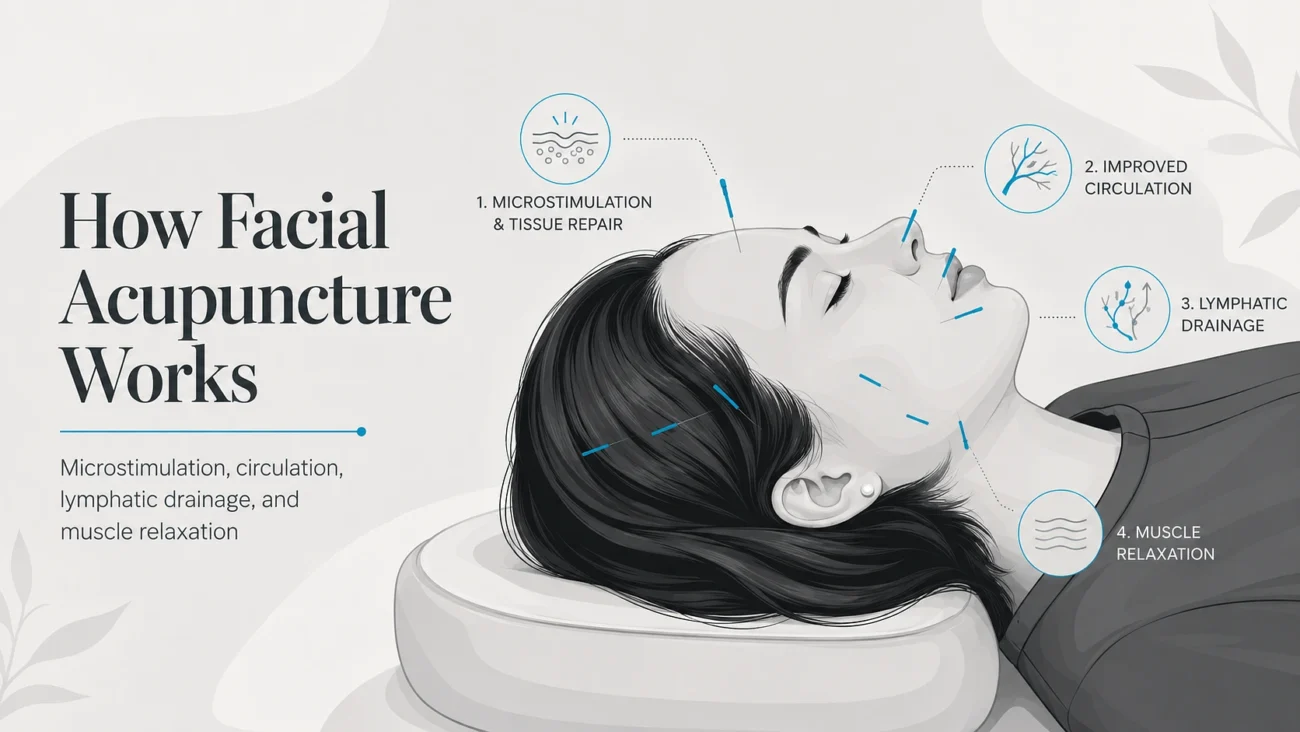
The effects of facial acupuncture can be understood from both traditional and modern perspectives.
Traditional Chinese Medicine emphasizes the movement of qi and blood through meridians that connect different parts of the body. From this viewpoint, improved balance within the body contributes to healthier skin.
Modern science focuses on several physiological processes that may occur during treatment.
Microstimulation and Tissue Repair
The insertion of fine needles creates extremely small, controlled injuries within the skin’s surface. In response, the body activates its natural repair mechanisms.
This process may stimulate:
- Collagen production
- Elastin synthesis
- Increased blood flow
- Cellular regeneration
- Improved nutrient delivery
Together, these changes may contribute to healthier-looking skin over time.
Improved Circulation
Blood delivers oxygen, nutrients, growth factors, and immune cells throughout the body.
Supporters of facial acupuncture believe that improved circulation may help:
- Enhance skin tone
- Promote a brighter complexion
- Reduce puffiness
- Support tissue repair
- Encourage healthier cellular activity
Lymphatic Drainage
The lymphatic system helps remove waste products, toxins, and excess fluid from tissues.
Improved lymphatic drainage may contribute to reduced swelling, decreased facial puffiness, and more defined facial contours.
Muscle Relaxation
Repeated facial expressions eventually contribute to the formation of wrinkles and fine lines.
Facial acupuncture may help reduce excessive muscle tension within the forehead, jaw, temples, and other areas of the face. This effect may soften the appearance of expression lines while relieving stress-related tension.
Potential Benefits of Facial Acupuncture
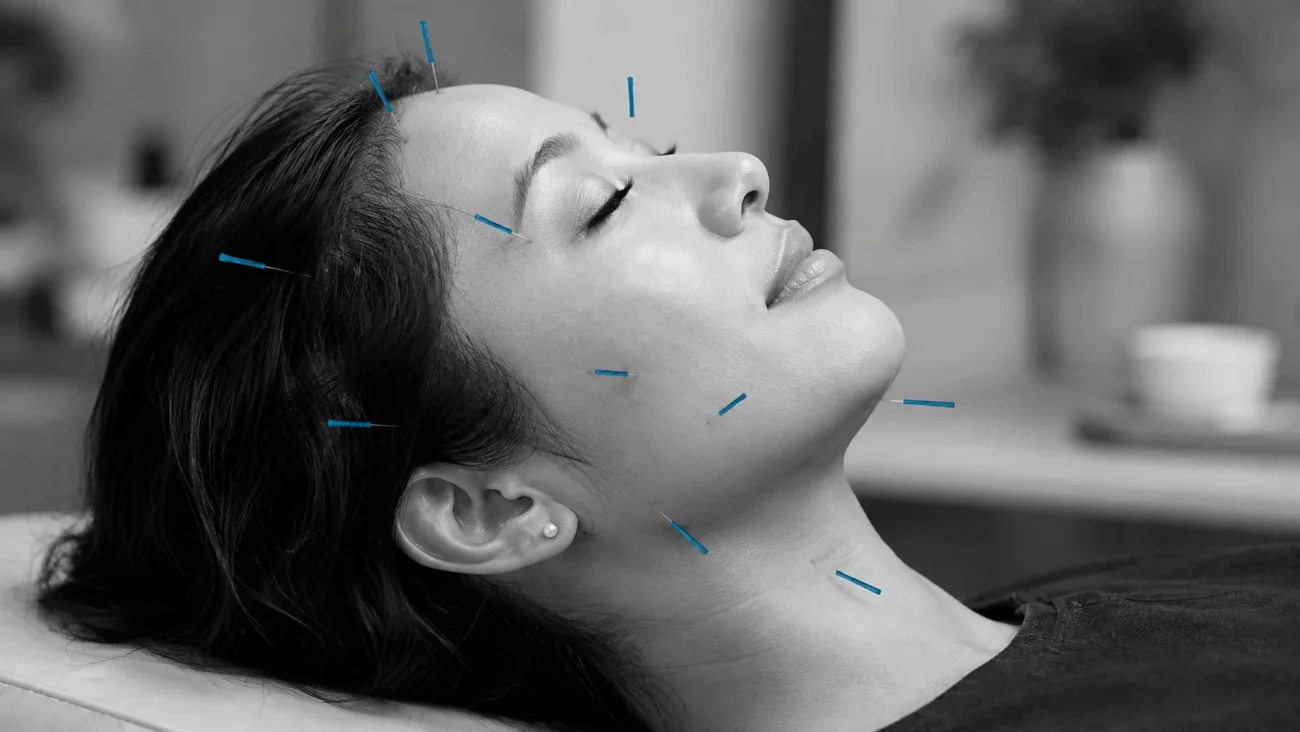
Supporters of facial acupuncture often report improvements that extend beyond cosmetic changes.
Fine Lines and Wrinkles
Collagen and elastin provide structural support to the skin. Because production naturally decreases with age, wrinkles gradually become more noticeable.
Facial acupuncture may support the body’s natural repair mechanisms and improve overall skin quality.
Skin Elasticity
Improved circulation and increased collagen production may contribute to firmer, smoother skin.
Facial Tension
Many individuals carry substantial tension in the jaw, forehead, neck, and temples. Facial acupuncture may help release this tension while promoting relaxation.
Puffiness and Swelling
Improved lymphatic circulation may help reduce fluid retention around the eyes, cheeks, and jawline.
Overall Well-Being
Stress affects nearly every system within the body, including sleep, hormonal balance, inflammation, and skin health.
Many patients appreciate that facial acupuncture addresses both cosmetic concerns and overall wellness.
Facial Acupuncture Versus Botox, Fillers, and Microneedling
Although these treatments are often grouped together, they work in very different ways.
Facial acupuncture
Facial acupuncture is primarily used to support overall skin health and may help with:
- Collagen production
- Improved circulation
- Reduced puffiness
- Facial muscle relaxation
- Long-term skin maintenance
Results typically appear gradually and become more noticeable over time.
Botox
Botox works by temporarily relaxing specific muscles and is commonly used to address:
- Forehead lines
- Crow’s feet
- Frown lines
- Excessive muscle activity
Many people notice visible changes within several days, and results generally last for several months.
Dermal fillers
Dermal fillers are designed to restore lost volume and improve facial contours. They are often used to enhance:
- The cheeks
- The lips
- The jawline
- Areas beneath the eyes
Results are usually immediate and may last anywhere from several months to several years.
Microneedling
Microneedling stimulates the body’s natural healing process and is frequently used to improve:
- Fine lines
- Wrinkles
- Acne scars
- Uneven skin texture
- Enlarged pores
Improvements typically become more noticeable as collagen production increases.
Botox, dermal fillers, and microneedling generally produce faster and more dramatic cosmetic changes. Facial acupuncture, by contrast, takes a more holistic approach that emphasizes both appearance and overall well-being.
Some individuals choose to combine multiple treatments under the guidance of qualified professionals.
What Happens During a Facial Acupuncture Session?
A typical appointment begins with a detailed consultation.
The practitioner may ask questions about:
- Sleep habits
- Energy levels
- Digestion
- Stress
- Medical history
- Skin concerns
Many practitioners perform a full-body treatment before beginning the facial portion of the session.
After cleansing the skin, the practitioner inserts fine needles into carefully selected areas. Additional needles may also be placed on the body to support circulation, reduce stress, and address other concerns.
Most people describe the sensation as mild and easily tolerated.
The needles generally remain in place for approximately 20 to 40 minutes before being removed.
How Many Sessions of Facial Acupuncture Are Needed?
Facial acupuncture is designed to produce gradual improvements rather than immediate changes. Unlike dermal fillers or injectable treatments, the effects tend to develop over time as the body responds to repeated stimulation.
The exact number of treatments depends on several factors, including age, lifestyle habits, stress levels, overall health, sun exposure, and the condition of the skin.
Many practitioners recommend an initial series of sessions over several weeks, followed by maintenance treatments spaced farther apart. Younger individuals who want to maintain healthy skin may require fewer sessions, while those seeking more noticeable improvements in elasticity and texture may benefit from a longer treatment plan.
Patience is important because the body requires time to build collagen and repair tissue naturally.
When Results May Become Noticeable
Most people report gradual improvements in several areas, including:
- Skin brightness
- Hydration
- Facial tension
- Skin texture
- Puffiness
- Overall complexion
The most significant changes are often associated with consistency rather than intensity.
How Much Does Facial Acupuncture Cost?
The cost of facial acupuncture varies considerably depending on location, the experience of the practitioner, and the services included in each session.
Clinics in major metropolitan areas generally charge higher fees than smaller practices. Treatments that combine body acupuncture, herbal medicine, massage therapy, LED light therapy, or microneedling also tend to cost more.
Several factors can influence pricing, including:
- Geographic location
- Provider experience
- Session length
- Additional therapies
- Initial consultations
- Long-term treatment plans
Because facial acupuncture is considered a cosmetic procedure, insurance providers rarely cover the cost.
Although the investment may appear substantial, many people appreciate that the treatment addresses broader aspects of health rather than focusing exclusively on the appearance of wrinkles.
Potential Risks and Side Effects
Facial acupuncture is generally considered safe when performed by a properly trained and licensed professional. Nevertheless, every treatment carries some degree of risk.
The most frequently reported side effects include:
- Mild bruising
- Tenderness
- Temporary redness
- Slight swelling
- Minor bleeding
- Temporary sensitivity
These effects are usually mild and resolve within a few days.
More serious complications are uncommon but may include infection, prolonged bruising, dizziness, or allergic reactions to products used during treatment.
Seeking treatment from an experienced practitioner is one of the most effective ways to reduce these risks.
Who Should Avoid Facial Acupuncture?
Although many people are good candidates for facial acupuncture, some individuals should proceed cautiously or avoid treatment altogether.
This includes people who have:
- Bleeding disorders
- Uncontrolled diabetes
- Active skin infections
- Severe rosacea
- Recent facial surgery
- Certain autoimmune disorders
People who take blood-thinning medications should also speak with a qualified healthcare professional before beginning treatment.
Pregnant individuals should always discuss any form of acupuncture with their physician to ensure that the treatment plan is appropriate.
How to Maximize Your Results
The appearance of the skin is influenced by countless factors, many of which extend far beyond the face itself.
A comprehensive approach often includes:
- Drinking enough water
- Following a balanced diet
- Protecting the skin from ultraviolet radiation
- Managing stress levels
- Getting adequate sleep
- Maintaining a consistent skincare routine
- Avoiding smoking
Chronic stress deserves particular attention because elevated stress hormones can contribute to inflammation, poor sleep quality, and accelerated skin aging.
Facial acupuncture should therefore be viewed as one component of a broader wellness strategy rather than an isolated solution.
What Results Can You Realistically Expect?
Facial acupuncture is designed to support gradual improvements rather than dramatic overnight transformations. Unlike surgery, Botox, or dermal fillers, the goal is to enhance the skin’s natural regenerative processes over time.
Many people notice improvements in:
- Skin tone
- Skin texture
- Facial tension
- Puffiness
- Elasticity
- Overall radiance
The extent of improvement varies from person to person. Factors such as age, genetics, sleep quality, stress levels, nutrition, smoking habits, hormonal changes, and sun exposure all influence the results.
People in their thirties and forties often seek facial acupuncture as a preventive treatment, while older individuals frequently pursue treatment to support skin quality and overall wellness.
Facial Acupuncture Before and After: What Changes Are Most Common?
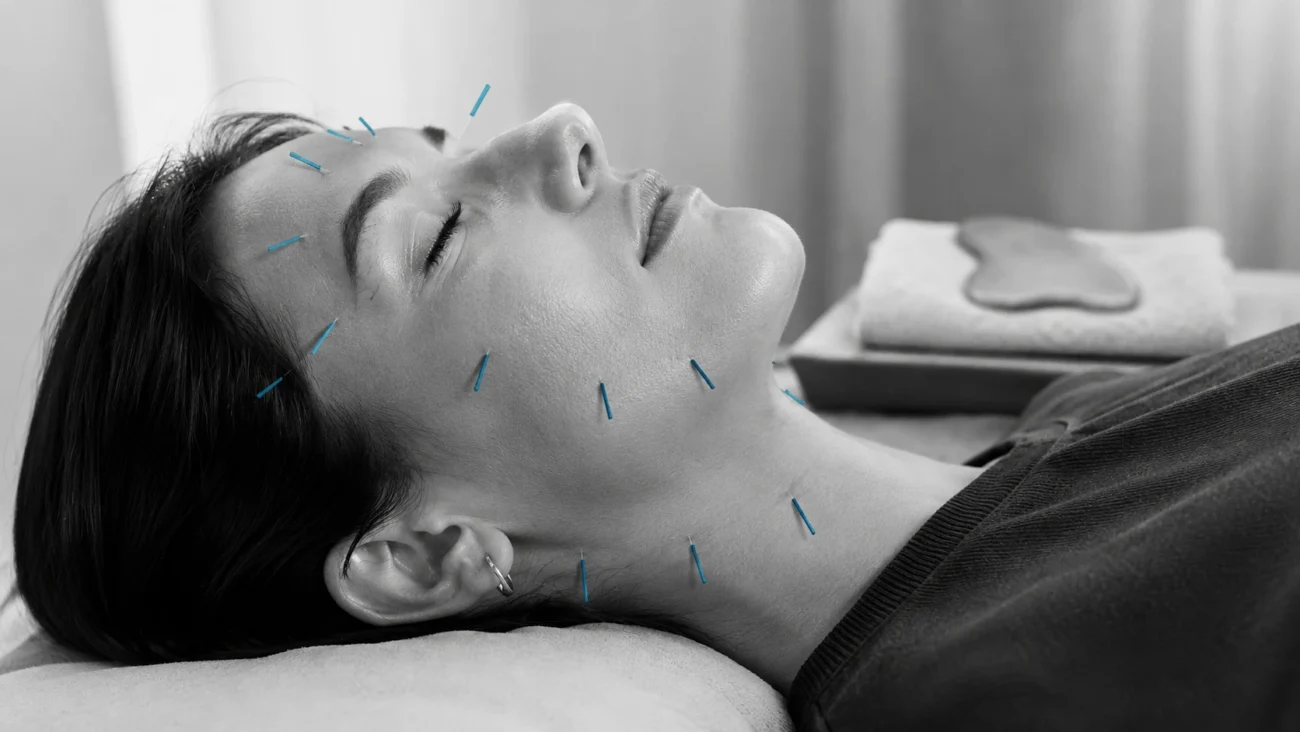
Immediately after treatment, some people notice that their skin appears brighter and more hydrated because of increased circulation.
Within several weeks, gradual changes may become more noticeable, including:
- Improved skin texture
- Softer facial lines
- Reduced puffiness
- Increased firmness
- A more even complexion
- Less tension in the jaw and forehead
Because the treatment works gradually, the improvements tend to appear more natural than those associated with some cosmetic procedures.
The goal is not to eliminate every wrinkle but rather to support healthier, more resilient skin.
Facial Acupuncture Versus Gua Sha
Gua sha and facial acupuncture are often discussed together because both treatments originated within Traditional Chinese Medicine.
However, they operate in different ways.
Facial acupuncture uses extremely fine needles to stimulate specific points on the face and body. Gua sha involves repeated strokes with a smooth-edged tool across the skin’s surface.
Facial acupuncture focuses primarily on:
- Collagen stimulation
- Muscle relaxation
- Circulation
- Lymphatic drainage
Gua sha is commonly used to support:
- Relaxation
- Reduced puffiness
- Increased circulation
- Muscle release
Many people choose to incorporate both techniques into their wellness routines.
Facial Acupuncture Versus Radiofrequency Treatments
Radiofrequency treatments rely on heat energy to stimulate collagen production in deeper layers of the skin.
By contrast, facial acupuncture stimulates the body’s natural healing response through carefully placed needles.
Radiofrequency procedures generally produce faster results, but they are often more expensive and may require recovery time.
Facial acupuncture may appeal to individuals who prefer a less invasive approach that addresses both cosmetic concerns and overall well-being.
Common Myths About Facial Acupuncture
Myth: Facial acupuncture produces immediate results.
Although some people notice a temporary improvement in circulation, the most meaningful changes usually require multiple treatments.
Myth: More needles create better results.
Treatment quality depends far more on technique, anatomical knowledge, and individualized care than on the total number of needles used.
Myth: Facial acupuncture replaces a skincare routine.
Even the most effective treatments cannot compensate for inadequate sleep, dehydration, excessive sun exposure, or poor nutrition.
Myth: Facial acupuncture completely replaces Botox.
Facial acupuncture and injectable treatments work differently and are intended to achieve different outcomes.
How to Choose a Qualified Practitioner
Choosing an experienced practitioner is one of the most important steps in ensuring both safety and effectiveness.
Consider asking the following questions:
- Is the practitioner licensed?
- How much experience do they have with facial acupuncture?
- Have they received specialized training?
- What treatment approach do they use?
- How many sessions do they recommend?
- What aftercare instructions do they provide?
You should also verify that the practitioner uses sterile, single-use needles and follows established safety guidelines.
The Future of Facial Acupuncture Research
Interest in facial acupuncture continues to grow as more people seek alternatives to invasive cosmetic procedures.
Researchers are currently investigating the treatment’s potential effects on:
- Collagen production
- Skin elasticity
- Blood circulation
- Inflammation
- Muscle tension
- Overall skin quality
Although early findings are encouraging, larger studies will be necessary before researchers can fully understand the long-term benefits and limitations of facial acupuncture.
For now, facial acupuncture remains an intriguing combination of ancient healing traditions and modern approaches to skin health, offering some individuals a more holistic path toward healthy aging.
Why More People Are Exploring Facial Acupuncture
Facial acupuncture occupies a unique position between traditional healing practices and modern cosmetic treatments. Rather than concentrating exclusively on wrinkles or volume loss, it attempts to address broader factors that influence the appearance and health of the skin.
Research into facial acupuncture continues to evolve, and scientists still have much to learn about its long-term effects. Even so, growing interest in less invasive approaches has encouraged more people to explore the treatment as part of a comprehensive approach to healthy aging.
For some individuals, facial acupuncture offers an opportunity to pursue cosmetic goals while simultaneously supporting relaxation, stress management, and overall well-being. Others may ultimately decide that treatments such as Botox, dermal fillers, microneedling, or surgery are better suited to their needs.
The most important step is approaching any treatment with realistic expectations, a clear understanding of the available evidence, and guidance from a qualified professional.
FAQs
Can facial acupuncture help with acne scars?
Facial acupuncture may help improve circulation and stimulate the body’s natural healing response, which could gradually improve the appearance of certain superficial acne scars. However, deeper scars often require treatments such as microneedling, laser therapy, or chemical peels.
Should you avoid makeup after facial acupuncture?
Many practitioners recommend avoiding heavy makeup for several hours after treatment to allow the skin to recover. Using gentle skincare products and applying sunscreen may help protect the skin while minimizing irritation.
Can facial acupuncture be combined with Botox or dermal fillers?
Yes. Some people combine facial acupuncture with Botox, dermal fillers, microneedling, or LED light therapy as part of a comprehensive skincare plan. Treatments should be coordinated with qualified professionals to ensure safety and achieve the desired results.
What should you do before a facial acupuncture appointment?
Staying well hydrated, eating a light meal, avoiding excessive alcohol consumption, and arriving with clean skin can help prepare you for treatment. It is also important to inform the practitioner about medications, allergies, and recent cosmetic procedures.
Can men benefit from facial acupuncture?
Absolutely. Facial acupuncture is not limited to women. Many men seek treatment to improve skin texture, reduce facial tension, minimize puffiness, and support overall skin health.
Does facial acupuncture affect sleep or stress levels?
Some people report feeling deeply relaxed after treatment. Because traditional acupuncture is often used to address stress, tension, and sleep disturbances, facial acupuncture sessions that include body acupuncture may provide benefits beyond cosmetic improvements.