
Locain (Lidocaine): Uses, Side Effects, Dosage & More

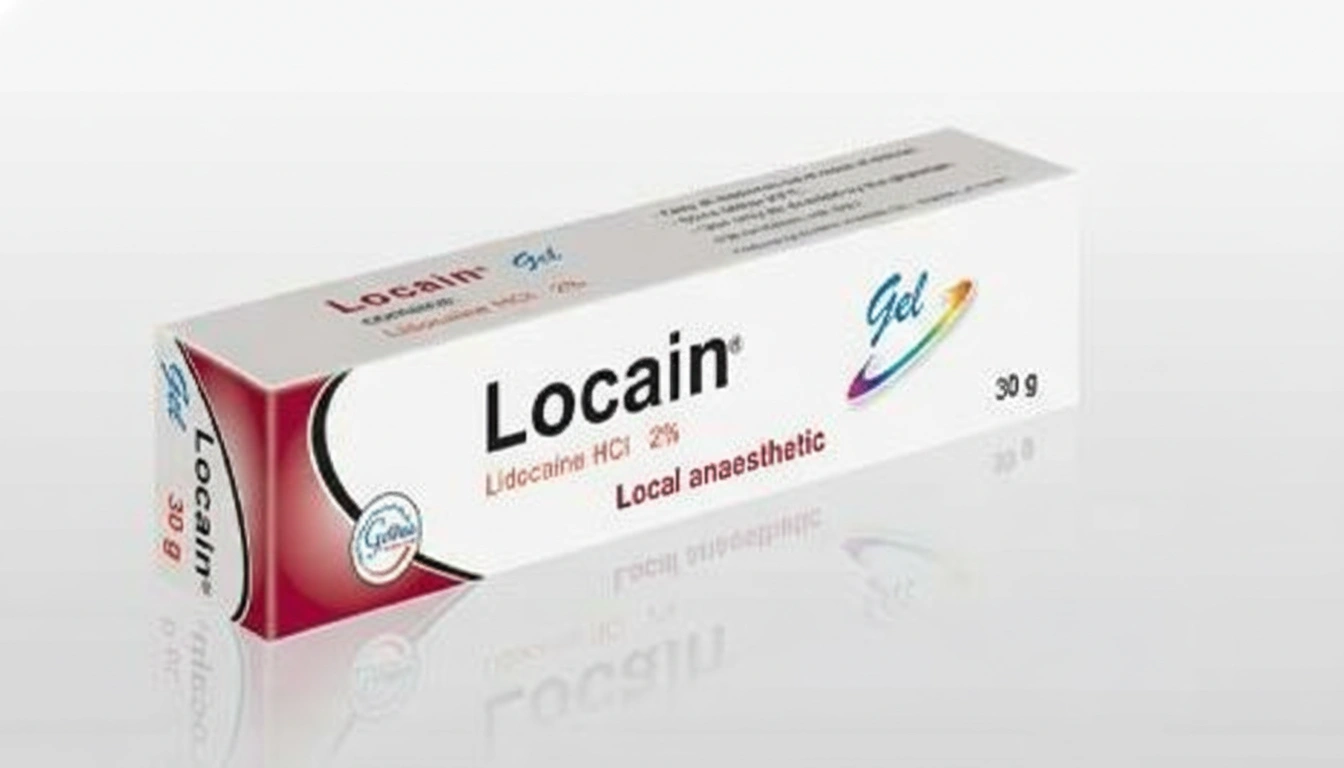
Lidocaine (Lignocaine) Drug Class: Amide-type Local Anesthetic | Class Ib Antiarrhythmic Available Forms: Injection, Gel, Spray, Medicated Patch/Plaster, Eye Drops, Viscous Solution, Ointment
What Is Locain?
Locain is a brand-name medication containing Lidocaine (Lignocaine) as its active ingredient. It is one of the most widely used local anesthetics in the world, approved for both anesthetic and cardiac antiarrhythmic purposes. The FDA first approved lidocaine in November 1948, and it remains a cornerstone drug in medicine, dentistry, and emergency care.
Unlike general anesthetics, Locain does not cause unconsciousness. It simply prevents pain signals from reaching the brain in a specific, localized region of the body.
How Does Locain Work?
Locain belongs to the amide-type local anesthetic family. It works by blocking sodium (Na⁺) channels in nerve cell membranes, which stops pain signals from being generated and conducted to the brain.
In the heart, it reduces ventricular depolarization and decreases automaticity in the His-Purkinje system — making it effective against dangerous heart rhythm problems. As a Class Ib antiarrhythmic agent, it also acts as an NMDA antagonist, which is why it can help with difficult-to-treat neuropathic pain.
Note: Locain’s effectiveness is reduced at inflammation sites due to local acidosis and increased blood flow, which interfere with sodium channel activity.
Uses & Indications
Locain is prescribed across a wide range of medical settings. Here is a breakdown by category:
Local & Surgical Anesthesia
- Numbing skin or tissue before surgical or medical procedures
- Infiltration anesthesia, nerve blocks, and IV regional anesthesia
- Dental procedures one of the most common uses worldwide
- Endotracheal intubation as an anesthetic lubricant
Topical Uses
- Skin ulcers, minor burns, insect bites, and haemorrhoids
- Sore mouth or throat and reducing gagging during dental X-rays
- Nasal and throat passages before endoscopic procedures
Urological Procedures
- Pain relief during urinary catheterization
- Treatment of painful urethritis
- Urethral dilation and cystoscopy
Neuropathic Pain (PHN)
- The Locain 700 mg medicated plaster is specifically approved for post-herpetic neuralgia (PHN) — the nerve pain that persists after a shingles infection.
Cardiac Uses (Injection Only)
- Acute ventricular tachyarrhythmias
- Ventricular dysrhythmias following cardiac surgery
- Emergency management of ventricular tachycardia and fibrillation
Other Uses
- Adjuvant analgesic for acute and chronic pain
- Reducing hypertensive response during tracheal intubation
- Studies show lidocaine 5% spray may significantly improve premature ejaculation when applied 10–20 minutes before intercourse
Available Dosage Forms
Locain comes in several forms depending on the medical need:
| Form | Common Use |
|---|---|
| Injection (0.5%–2%) | Nerve blocks, regional anesthesia, cardiac arrhythmias |
| Gel | Burns, haemorrhoids, urethral procedures |
| Medicated Plaster (700 mg) | Post-herpetic neuralgia |
| Spray | Mucosal anesthesia (throat, nose) |
| Viscous Solution | Mouth/throat soreness, dental impressions |
| Ointment | Topical skin anesthesia |
| Eye Drops | Short ophthalmic procedures |
Dosage Guidelines
Always follow your doctor’s prescribed dosage. The information below is for general reference only.
Topical Gel (Adults)
- Apply to the affected area 3–4 times daily
- Typical dose: 15 ml every 3 hours
- Maximum: 8 doses in any 24-hour period
Injection (Adults)
- Without epinephrine: up to 4.5 mg/kg, not exceeding 300 mg
- With epinephrine: up to 7 mg/kg, not exceeding 500 mg
- Always use the lowest concentration that produces the required effect
Medicated Plaster
- Apply once daily for up to 12 hours per 24-hour period
- Up to 3 plasters may be used simultaneously if needed
- Plasters can be cut to size before removing the release liner
Children
- Dosage must always be determined by a doctor based on body weight
- Use with extreme caution in children under 3 years of age
- Never use lidocaine viscous solution for infant teething pain
Missed Dose
- Apply as soon as you remember
- If it is nearly time for the next dose, skip the missed one
- Never apply double doses at the same time
Side Effects
Most people tolerate Locain well at recommended doses. However, side effects can occur, especially if too much is absorbed into the bloodstream.
Common / Mild Side Effects
- Dizziness or light-headedness
- Drowsiness or sedation
- Numbness or tingling around the lips and tongue
- Tinnitus (ringing in the ears)
- Headache and restlessness
- Metallic taste in the mouth
- Redness, burning, or swelling at the application site
Serious Side Effects Seek Emergency Help Immediately
- Seizures or convulsions
- Severe confusion or incoherent speech
- Rapid or irregular heartbeat
- Dangerously low blood pressure
- Difficulty breathing or respiratory depression
- Cardiovascular collapse or cardiac arrest
- Anaphylactic reaction (hives, swelling of face/lips/throat)
Signs of Overdose / Toxicity
Toxicity progresses in stages CNS effects appear before cardiovascular effects:
- Drowsiness, inebriation-like behavior, restlessness
- Twitching, tremors, seizures
- Circulatory depression, cardiovascular collapse
Emergency: If overdose is suspected, call emergency services immediately. Prioritize maintaining the airway and breathing.
Warnings & Precautions
Locain is a powerful medication. Certain conditions require extra caution or make it unsafe to use.
- Allergy: Do not use if you are allergic to lidocaine or any amide-type local anesthetic.
- Heart conditions: Contraindicated in complete heart block, Stokes-Adams syndrome, Wolff-Parkinson-White Syndrome, and cardiogenic shock.
- Liver disease: Locain is processed by the liver. Patients with moderate to severe hepatic impairment need reduced doses and closer monitoring.
- Broken skin: Never apply gel or plasters to cut, infected, or inflamed skin.
- Long-term use: A lidocaine metabolite called 2,6-xylidine has shown genotoxic effects in animal studies. Long-term treatment is only justified when there is a clear therapeutic benefit.
- MAOIs & antidepressants: When lidocaine is combined with epinephrine, using it alongside MAOIs or tricyclic antidepressants can cause severe, prolonged high blood pressure.
- Post-procedure awareness: After dental treatment, you may accidentally bite the inside of your mouth or have trouble swallowing while still numb. Avoid solid food until sensation fully returns.
Drug Interactions
Locain has moderate interactions with at least 62 drugs and mild interactions with at least 28 more. Always inform your doctor of everything you are taking.
| Drug / Drug Class | Effect |
|---|---|
| Beta-blockers | Increased risk of bradycardia and low blood pressure |
| MAOIs / Tricyclic Antidepressants | Severe hypertension when combined with epinephrine |
| Cimetidine, Fluvoxamine, Nefazodone | May affect lidocaine metabolism |
| Norepinephrine | Reduces clearance, increasing toxicity risk |
| Other lidocaine-containing products | Combined dose must not exceed safe limits |
| Sedatives / Opioids / Tranquilizers | Additive CNS depression |
| St. John’s Wort | May interfere with lidocaine metabolism |
Use in Special Populations
Pregnancy
Locain is Category B. Animal studies show no fetal risk, but no adequate human studies exist. In obstetrical procedures, unintended fetal injection has caused neonatal seizures within 6 hours. Use only when clearly necessary and after discussing risks with your doctor.
Breastfeeding
Lidocaine passes into breast milk in low amounts with poor absorption in infants. Apply topical forms to the smallest area for the shortest time possible. Consult your doctor before use.
Elderly Patients
Older adults are more likely to have liver, kidney, or heart problems that slow Locain’s processing. Dose adjustments and careful monitoring are usually required.
Children
Children absorb more lidocaine through the skin relative to their body weight, raising the risk of toxicity. Use is not recommended for children under 3 years unless other options have been exhausted.
Contraindications
Do not use Locain if you have any of the following:
- Allergy to lidocaine or any amide-type local anesthetic
- Complete heart block (without a pacemaker present)
- Stokes-Adams syndrome or Wolff-Parkinson-White Syndrome
- Cardiogenic shock or severe hypovolemia (low blood volume)
- History of porphyria (a blood/liver disorder)
- Infected, cut, or inflamed skin at the intended application site
Drug Onset, Duration & Key Pharmacokinetics
Understanding how fast Locain works and how long it lasts helps patients and caregivers use it safely and effectively.
Onset of Action
- IV injection: within 90 seconds
- Topical gel or ointment: 3–5 minutes
- Medicated plaster: gradual onset over several minutes to hours
Duration of Action
- Standard injection: 30 minutes to 3 hours depending on site and dose
- With epinephrine: significantly longer due to reduced local blood flow
- Topical forms: typically 30–60 minutes
How the Body Processes It
- Metabolized primarily by the liver (CYP3A4 pathway)
- Excreted through the kidneys
- Half-life: approximately 1.5–2 hours in healthy adults; prolonged in liver disease or heart failure
- Plaster absorption: only about 3% of the total dose enters the bloodstream when used correctly making it very safe for long-term topical pain management
Safe Use Tips & Patient Guidance
This practical guidance helps patients use Locain safely, whether at home or after a procedure.
Before Using Locain
- Disclose your full medical history especially liver disease, heart conditions, epilepsy, and drug allergies
- Tell your doctor about all medications, supplements, and herbal products you take
- If you have ever had a reaction to any local anesthetic, do not use Locain without direct medical supervision
During Use
- Never apply more plasters than prescribed or leave them on longer than 12 hours
- Do not apply gel or plasters to broken, burned, or inflamed skin
- Avoid eye contact with the plaster; rinse immediately with water if contact occurs
- Do not drive or operate heavy machinery until the numbing effects have completely worn off
After a Dental or Oral Procedure
- Avoid solid foods until sensation fully returns
- Be careful not to bite your cheek or tongue while still numb
- Difficulty swallowing may occur temporarily wait until numbness resolves
Warning Signs Contact Your Doctor Immediately If You Notice:
- Unusual drowsiness or confusion after applying Locain
- Skin rash, hives, or facial swelling (signs of allergic reaction)
- Irregular heartbeat or chest tightness
- Seizure or muscle twitching
- Persistent redness or rash at the patch site beyond 24 hours
Storage
- Store below 25°C (77°F)
- Protect injectable solutions from light and heat
- Keep all forms out of reach of children
Medical Disclaimer: This article is for informational purposes only and does not replace professional medical advice, diagnosis, or treatment. Always consult a qualified healthcare provider before starting, stopping, or changing any medication.