
How to Support Energy, Recovery, and Performance Through Better Nutrition

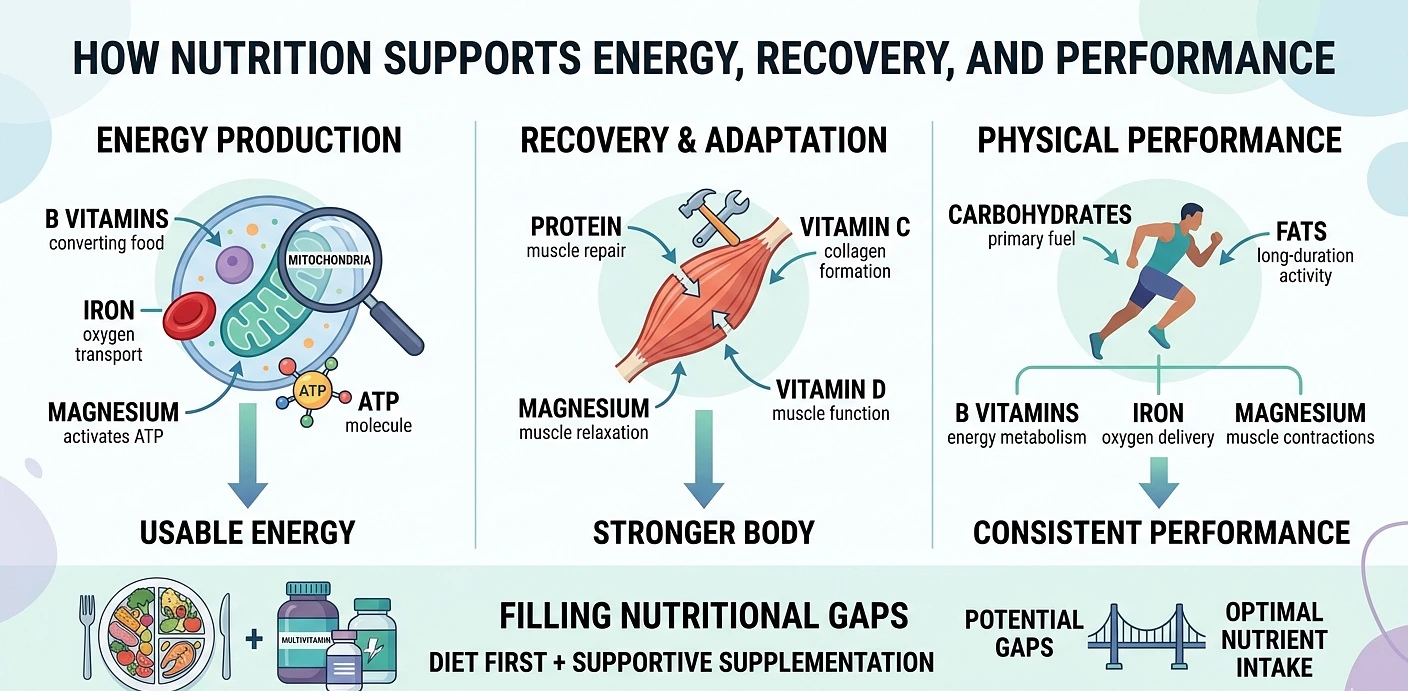
When people think about improving energy, recovery, and physical performance, the first things that usually come to mind are training plans, sleep, and hydration. While all of these are important, nutrition is the foundation that supports everything else. Without the right nutrients, the body simply cannot perform or recover efficiently, no matter how good the training programme is.
Understanding how nutrition affects energy production and recovery can help you make small but meaningful changes that improve both daily wellbeing and long term fitness results.
Introduction to The importance Better Nutrition on Exercise
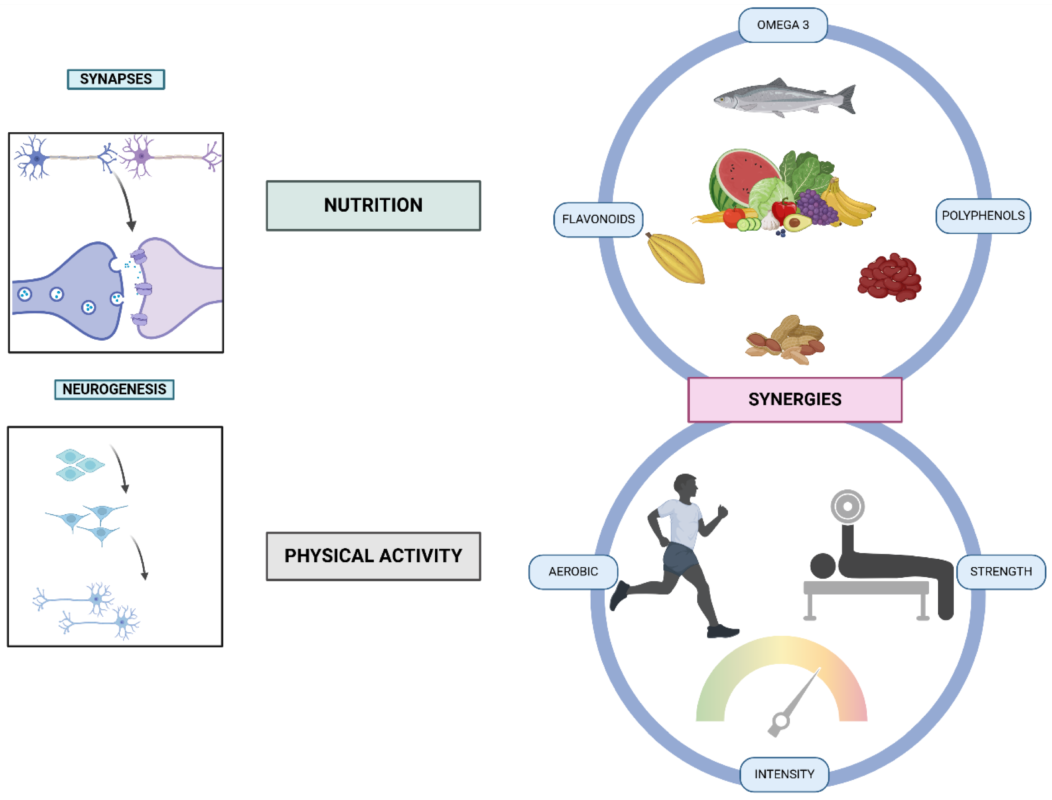
Nutrition is increasingly recognized as a key component of optimal sporting performance, with both the science and practice of sports nutrition developing rapidly.1 Recent studies have found that a planned scientific nutritional strategy (consisting of fluid, carbohydrate, sodium, and caffeine) compared with a self-chosen nutritional strategy helped nonelite runners complete a marathon run faster and trained cyclists complete a time trial faster. Whereas training has the greatest potential to increase performance, it has been estimated that consumption of a carbohydrate electrolyte drink or relatively low doses of caffeine may improve a 40 km cycling time trial performance by 32–42 and 55–84 seconds, respectively.4
Energy Production Starts at a Cellular Level
Energy is not just about how rested you feel. It is produced inside your cells through a complex process that relies heavily on vitamins and minerals.
- B vitamins are essential for converting food into usable energy. Without adequate levels, the body struggles to efficiently process carbohydrates, fats, and proteins.
- Iron plays a critical role by supporting oxygen transport in the blood. Oxygen is needed by muscles and tissues to produce energy, which is why low iron levels can lead to fatigue, weakness, and reduced endurance.
- Magnesium is another key nutrient involved in energy production. It helps activate enzymes that are required for ATP production, which is the body’s main energy source. When magnesium levels are low, it can contribute to feelings of tiredness and low stamina.
These nutrients work together, meaning that even a mild deficiency in one area can have a noticeable impact on overall energy levels.
Recovery Is Where Progress Happens
Recovery is often overlooked, but it is during this phase that the body adapts and becomes stronger. After exercise, muscles experience small amounts of stress and micro damage. Nutrients are needed to repair this tissue and support growth.
Protein is well known for its role in muscle repair, but micronutrients are equally important.
- Vitamin C supports collagen formation, which helps maintain connective tissue health.
- Magnesium contributes to muscle relaxation, which can reduce tightness and soreness after training.
- Vitamin D plays a role in muscle function and recovery, supporting both strength and neuromuscular efficiency. Without enough of it, recovery may feel slower and performance can plateau.
If recovery is not properly supported, it can lead to:
- Persistent fatigue
- Reduced performance
- An increased risk of injury over time
Performance Depends on Consistency
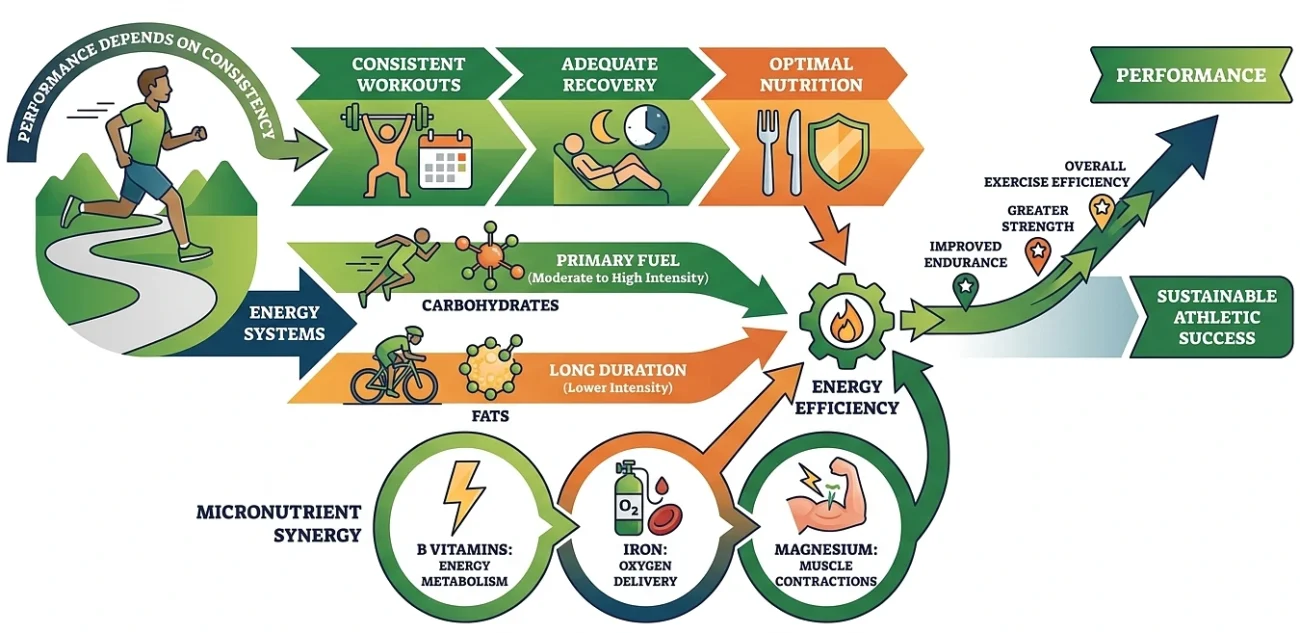
Improving performance is not just about pushing harder during workouts. It is about being consistent, recovering properly, and ensuring the body has the nutrients it needs to perform at its best.
- Carbohydrates provide the primary fuel for moderate to high intensity exercise.
- Fats support longer duration, lower intensity activity.
However, the efficiency of these energy systems depends on adequate micronutrient intake:
- B vitamins support energy metabolism
- Iron ensures oxygen delivery
- Magnesium helps regulate muscle contractions
When all of these are in balance, the body is better equipped to handle physical demands. Over time, consistent nutrition habits can improve endurance, strength, and overall exercise efficiency.
Filling Nutritional Gaps
Even with a balanced diet, it is not always easy to get optimal levels of every nutrient. Busy schedules, food preferences, and modern dietary patterns can all contribute to small but important gaps.
This is where supplementation can play a supportive role. High quality supplements can help maintain adequate nutrient intake when dietary sources are not always enough. Brands like Vitabright focus on providing well formulated vitamins and minerals designed to complement a healthy, balanced lifestyle rather than replace it.
The key is to view supplements as part of a broader nutrition strategy, not a substitute for whole foods.
Energy, recovery, and performance are all closely linked to nutrition. While training and rest are essential, the body relies on a steady supply of vitamins and minerals to function at its best.
By focusing on nutrient rich foods and addressing potential gaps where needed, it is possible to improve daily energy levels, enhance recovery, and support better long term performance in a sustainable way.
Protein and sporting performance
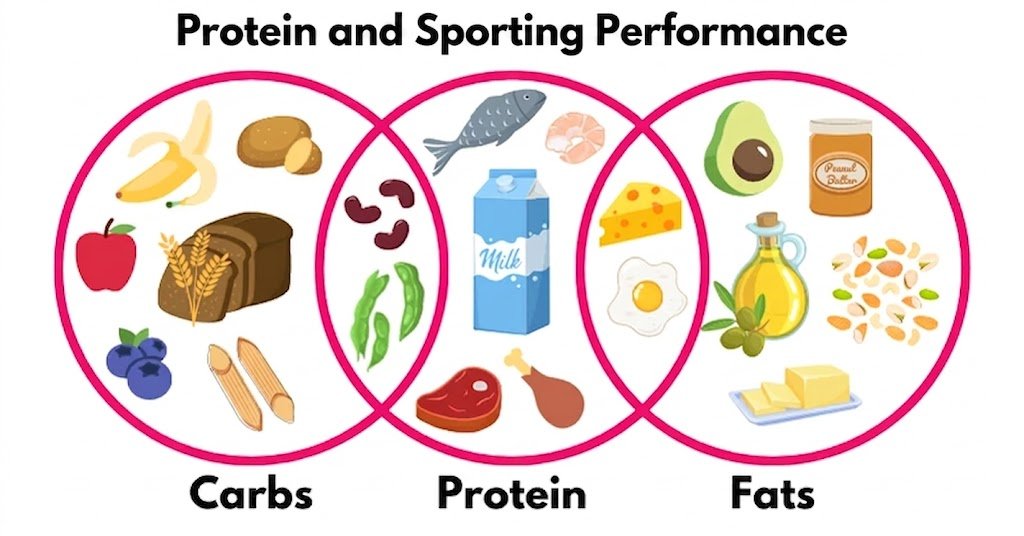
Protein supports training, recovery, and muscle repair. Most athletes already meet their needs if they eat enough overall calories.
Protein needs are only slightly higher than for the general public:
- General public / active people: 0.8–1.0 g/kg daily (60 kg = 45–60 g)
- Non-endurance sports (45–60 min/day): 1.0–1.2 g/kg
- Endurance or strength sports (>1 hour): 1.2–2.0 g/kg
- Weight loss (reduced calories): up to 2.0 g/kg to help preserve muscle
High-quality proteins like lean meat, milk, and eggs support muscle repair and growth. Around 20–25 g protein (e.g., whey or milk) soon after exercise (within 2 hours) may help muscle synthesis.
For best results, spread protein intake evenly—about 25–30 g every 3–5 hours.
Protein supplements don’t directly improve performance for most athletes, and are usually unnecessary.
Very high-protein diets may cause:
- Higher cost
- Possible kidney or bone issues
- Weight gain (if high in fat)
- Increased cancer risk (with high processed/red meat intake)
- Reduced intake of other healthy foods like fruits, vegetables, and grains