
Beauty Tips – WellHealthOrganic.com: Natural Skincare for Real Beauty


We cover seven essential beauty pillars: gentle cleansing, deep hydration, organic face masks, sun protection, nutrition for glowing skin, stress and sleep management, and a minimalist daily skincare routine. Each section is niche-specific, research-backed, and designed for all skin types.
Whether you are a health skincare beginner looking for a clean starting point, or an experienced beauty enthusiast wanting to go fully organic this guide delivers practical, actionable tips you can apply today. No complicated steps. No expensive products. Just honest, natural skincare wisdom from WellHealthOrganic.com.
What Does “Real Beauty”?
In a world flooded with chemical-laden creams, overnight miracle serums, and filters that alter every feature, real beauty has become a rare and radical idea. At WellHealthOrganic.com, real beauty is not about perfection it is about healthy, glowing, naturally nourished skin that reflects your inner wellness.
Natural skincare is no longer just a trend. It is a lifestyle shift that millions of people are embracing worldwide. Whether you are dealing with acne, dryness, dullness, or premature aging, nature holds powerful, time-tested solutions. This article brings you research-backed, niche-specific beauty tips rooted in organic wisdom the kind your skin has always deserved.
Why Natural Skincare Matters More Than Ever
Modern skincare products often contain parabens, sulfates, synthetic fragrances, and artificial preservatives. Over time, these ingredients can disrupt hormones, trigger allergies, and damage the skin barrier. According to dermatological research, the skin absorbs up to 60% of what is applied to it making ingredient awareness critically important.
Natural skincare works with your skin’s biology, not against it. Organic plant-based ingredients are rich in vitamins, antioxidants, and essential fatty acids that repair, protect, and regenerate skin cells without harmful side effects.
Top Beauty Tips from WellHealthOrganic.com
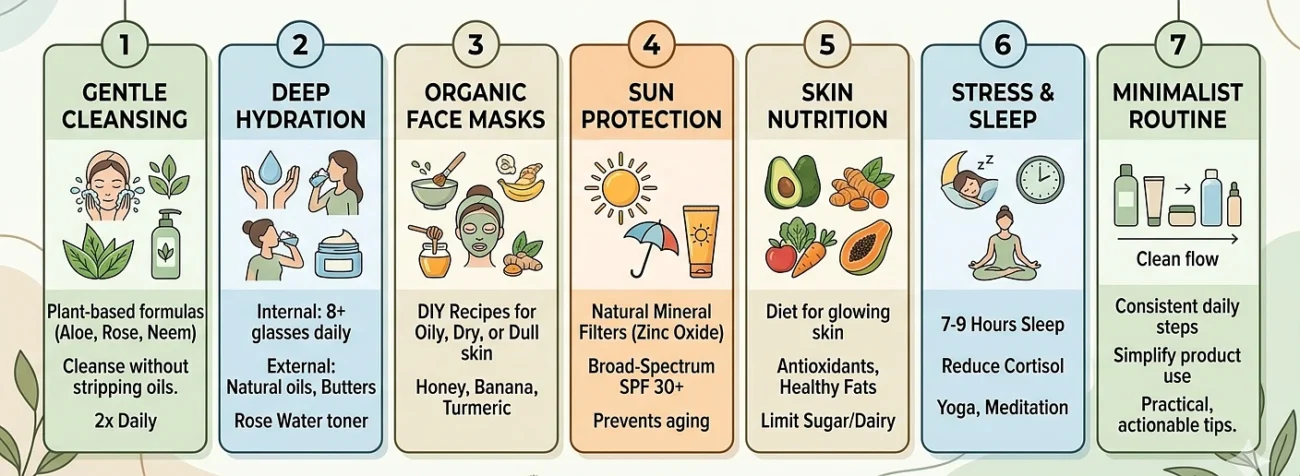
1. Cleanse with Intention, Not Aggression
Most people over-cleanse their skin, stripping away its natural oils. A gentle, plant-based cleanser such as one containing aloe vera, rose water, or neem extract removes dirt and pollution without disrupting the skin’s natural pH balance (which should ideally sit between 4.5 and 5.5).
Tip: Cleanse twice a day once in the morning with lukewarm water and once at night to remove the day’s buildup.
2. Hydration Is the Foundation of Every Beauty Routine
Dehydrated skin appears dull, flaky, and aged. Hydration works on two levels.
- Drink at least 8 glasses of water daily. Add cucumber, lemon, or mint for added skin benefits.
- Use a natural moisturizer containing shea butter, jojoba oil, or hyaluronic acid from plant sources to lock in moisture.
WellHealthOrganic Insight: Rosewater is one of nature’s finest hydrating toners. Spritz it on your face after cleansing for an instant glow boost.
3. Embrace the Power of Organic Face Masks
DIY face masks are among the most effective and affordable natural beauty tools available. Here are three niche-specific masks based on skin type:
- For Oily/Acne-Prone Skin: Mix 1 tablespoon of multani mitti (Fuller’s Earth) with rose water and a few drops of tea tree oil. Apply for 15 minutes and rinse. This absorbs excess sebum and unclogs pores.
- For Dry/Sensitive Skin: Blend ripe banana with raw honey and a few drops of almond oil. This deeply nourishes and soothes irritated skin.
- For Dull/Aging Skin: Mix turmeric powder, yogurt, and vitamin E oil. Turmeric’s curcumin is a proven anti-inflammatory and skin-brightening agent.
4. Sun Protection The Non Negotiable Step
UV radiation is the number one cause of premature skin aging, hyperpigmentation, and skin cancer. Yet sunscreen remains the most skipped step in daily skincare.
Choose a broad-spectrum SPF 30 or higher sunscreen made with natural mineral filters like zinc oxide or titanium dioxide, which sit on the skin’s surface and physically block UV rays without penetrating the bloodstream.
5. Nourish Your Skin from the Inside Out
Beauty truly begins in the gut. A diet rich in antioxidants, healthy fats, and anti-inflammatory foods directly impacts skin quality.
Foods for glowing skin:
- Avocado – rich in vitamin E and healthy fats.
- Turmeric – powerful anti-inflammatory.
- Green tea – loaded with polyphenols that fight free radicals.
- Walnuts – packed with omega-3 fatty acids.
- Papaya – contains papain enzyme that gently exfoliates from within.
Limit processed foods, refined sugar, and dairy all of which are linked to acne and inflammation.
6. Sleep and Stress Management
No serum can replace a good night’s sleep. During sleep, your body produces human growth hormone (HGH), which repairs skin cells and builds collagen. Chronic sleep deprivation leads to dark circles, puffiness, and a weakened skin barrier.
Target: 7–9 hours of quality sleep per night.
Stress triggers cortisol production, which breaks down collagen and triggers acne flare-ups. Incorporate yoga, meditation, deep breathing, or even a 10-minute walk into your daily routine to keep cortisol levels in check.
7. Build a Minimalist Natural Skincare Routine
You do not need 12 steps or 20 products. A simple, consistent natural skincare routine is far more effective than an overcomplicated one.
Morning Routine:
- Gentle natural cleanser.
- Rose water toner.
- Lightweight natural moisturizer.
- Mineral sunscreen (SPF 30+).
Evening Routine:
- Oil-based cleanser (to remove makeup/sunscreen).
- Gentle foaming cleanser.
- Vitamin C serum (natural, from rosehip or kakadu plum).
- Nourishing night cream or facial oil (argan, marula, or rosehip oil).
Scientific & Medical References
- Skin Absorption of Topical Products Lodén, M. (2003). Role of topical emollients and moisturizers in the treatment of dry skin barrier disorders. American Journal of Clinical Dermatology. Read Study – PubMed
- Natural Ingredients in Skincare Sharma, P., et al. (2021). Herbal cosmetics: Used for skin and hair. Invertis Journal of Science & Technology. Read Research – ResearchGate
- Turmeric & Curcumin for Skin Health Vaughn, A.R., et al. (2016). Effects of Turmeric (Curcuma longa) on Skin Health: A Systematic Review. Phytotherapy Research. Read Full Paper – Wiley Online Library
- UV Radiation & Skin Aging World Health Organization (WHO). Ultraviolet Radiation and Skin Cancer. Read – WHO Official Site
- Sleep & Skin Regeneration Oyetakin-White, P., et al. (2015). Does poor sleep quality affect skin ageing? Clinical and Experimental Dermatology, Oxford Academic. Read Study – Oxford Academic
- Diet & Skin Health Pappas, A. (2009). The relationship of diet and acne: A review. Dermato-Endocrinology, Taylor & Francis. Read Research – Taylor & Francis
- Zinc Oxide as a Natural Sunscreen Pinnell, S.R., et al. (2000). Microfine zinc oxide is a superior sunscreen ingredient. Dermatologic Surgery. Read Study – PubMed