
Ozdikenosis Symptoms Explained: Fatigue, Risks & Progression
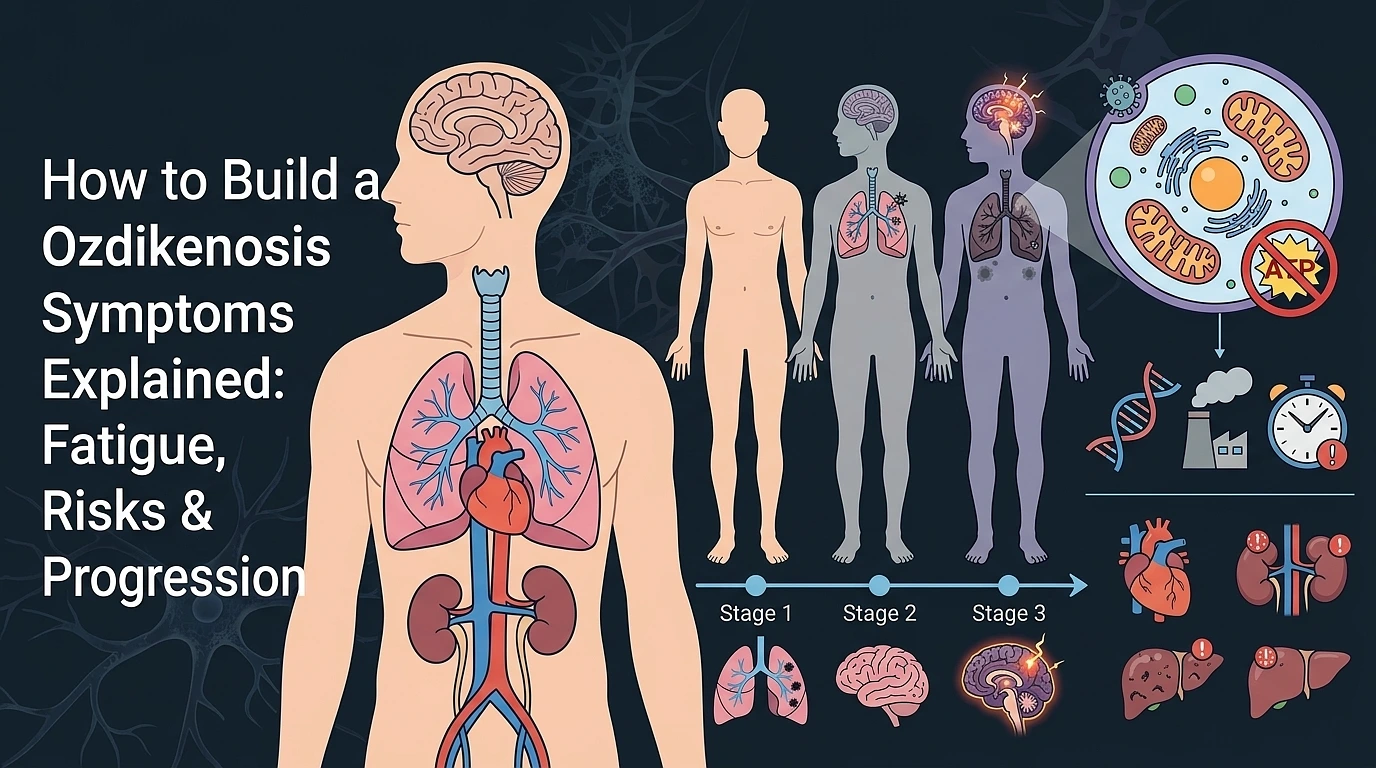
Ozdikenosis is a term in its own right for both medical and wellness discussion. It’s reported to be a rare and benign condition with fibrous tissue growth or a speculative metaphor in alternative health used to describe a serious metabolic and systemic malfunction.
It is important to be aware of the symptoms, risks and trajectory of joint nodules, whether physical health or metabolic. You can read the following for detailed information on Ozdikenosis.
Primary Symptoms & Early Warning Signs
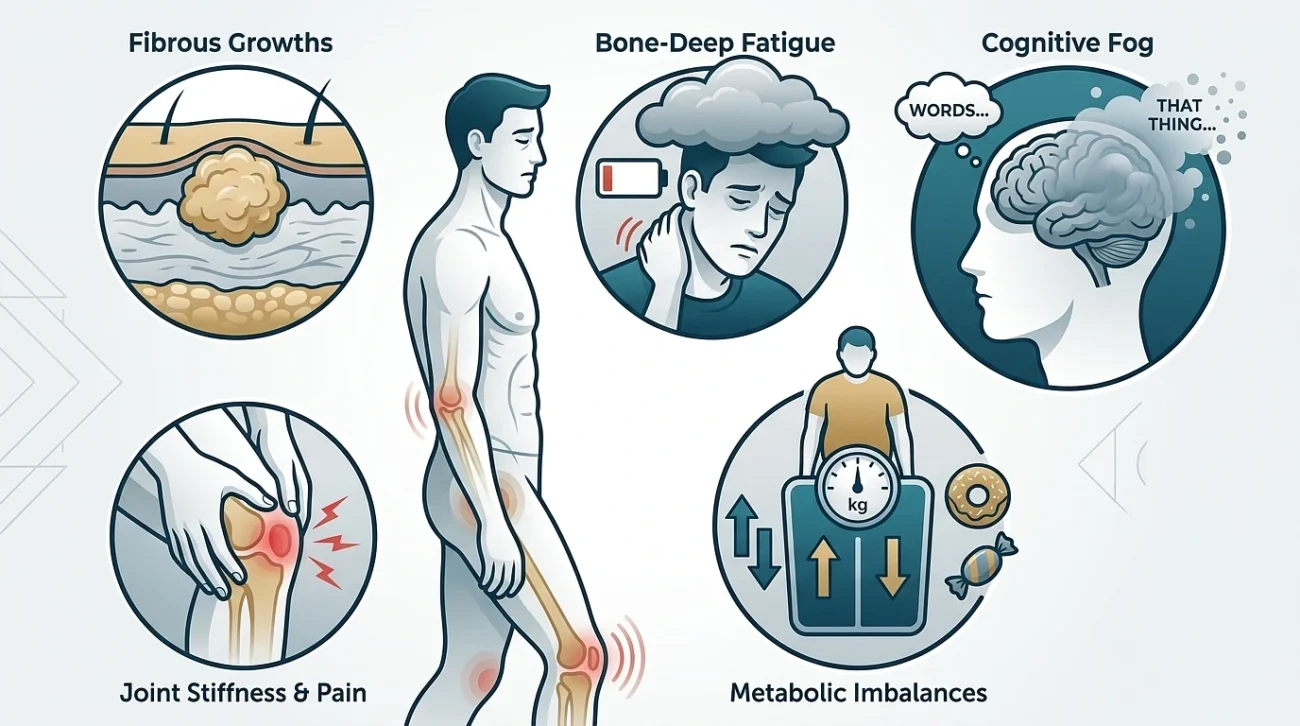
Usually, the first signs of ozdikenosis are localized physical changes, followed by systemic health complaints. They can start out somewhat nonspecific, and worsen if the imbalance(s) and/or tissue growth(s) are not treated.
- Fibrous Growths (Ozdikens): Lumps that occur in soft tissues and are painless or become painful. These overgrowths of fibrous tissue are sometimes confused with calluses or normal scar tissue.
- Joint Stiffness & Pain: Reduced movement and noticeable stiffness, especially in the weight-bearing joints, such as knees and hips. This can lead to muscle weakness and impair normal movements.
- Bone-Deep Fatigue: Unrelieved, prolonged and generalized physical fatigue that is unrelated to the amount of effort put out.
- Metabolic Imbalances: Sudden weight changes, frequent cravings for sweets, extreme energy drops (e.g., big dips in the middle of the day).
- Cognitive Fog: This is a lack of concentration, forgetting words during sentences, and having problems with short-term memory.
The Progression of Ozdikenosis
If left unmanaged, the condition is described as moving through distinct phases, characterized by worsening joint mechanics and a compounding loss of cellular energy.
The Three Phases of Fibrous Progression
| Phase | Characteristics | Impact on the Body |
|---|---|---|
| Phase 1 (Early Onset) | Intermittent stiffness; gradual formation of small soft-tissue nodules. | Minor joint irritation; symptoms are often unnoticed or ignored. |
| Phase 2 (Intermediate) | Nodules increase in size and density. | Pronounced limitation in joint flexibility; noticeable daily stiffness. |
| Phase 3 (Advanced) | Bulky growths mechanically impede joints. | Severe, debilitating fatigue; limping or inability to perform basic physical tasks. |
The “Deadly Cascade” Theory
In speculative alternative health circles, untreated Ozdikenosis is sometimes framed as a “domino effect” of metabolic failure. This hypothetical cascade involves:
- Cellular Energy Collapse: Micro level: Mitochondria don’t generate enough energy.
- Systemic Inflammation: When energy fails, there is a prolonged inflammatory response and a resulting neuromuscular breakdown.
- Vital organ impairment: The more the metabolic control and neurological control deteriorates, the more there is impairment in the functioning of the major organs, which can trigger a dangerous downward spiral.
Known Risks & Complications
Understanding who is at risk and the potential complications can help in seeking timely intervention.
- The Demographic Target: The condition is reported to primarily affect adults between the ages of 30 and 50, with a slightly higher prevalence in women.
- Genetic Predisposition: Familial patterns and specific, albeit unverified, gene markers (such as OZD-1) may predispose certain individuals.
- Lifestyle Catalysts: Poor nutrition, high sustained stress levels, and inadequate recovery time accelerate symptom progression.
- Misdiagnosis: Because symptoms mimic normal aging or simple aches, delayed medical intervention prolongs suffering and allows fibrous tissues to grow unhindered.
- Mobility Impairment: Mechanical pressure from nodules can lead to chronic localized pain, limping, and severe movement restriction.
A Hidden Danger: The Risks of Unverified “Ozone” Treatments
Because Ozdikenosis can cause profound fatigue and is often discussed in niche alternative health circles, some patients may be tempted by unapproved interventions, such as Ozone Therapy. Regulatory agencies strongly discourage this, as inhaling ozone (O3) poses severe and potentially lethal health risks.
Why Ozone Inhalation is Lethal:
- Extreme Oxidative Stress: Ozone (O3) is a powerful, unstable oxidizing agent. Upon inhalation, it instantly reacts with lipids and proteins in the respiratory tract, tearing apart crucial molecular bonds.
- Pulmonary Edema: Cellular damage triggers rapid fluid accumulation in the lungs, essentially causing the victim to drown from the inside out.
- Impaired Gas Exchange & Tissue Destruction: The gas destroys alveolar membranes, blocking oxygen from entering the bloodstream while leaving the lungs highly susceptible to secondary bacterial infections and permanent scarring.
Always avoid misusing commercial ozone generators in enclosed spaces and steer clear of unverified intravenous or inhaled ozone therapies.
The cause of ozdekineosis as a metabolic cascade is not a recognized medical condition by any major medical institution such as the Mayo Clinic. If unexplained or severe ‘bones deep’ fatigue, chronic joint pain or sudden onset of fibrous nodules occur, it is always wise to see a licensed medical practitioner. These symptoms are very similar to those of known medical conditions like fibromyalgia, chronic fatigue or autoimmune disorders.